

The Sacred Valley of Peru is one of the most breathtaking places on Earth.
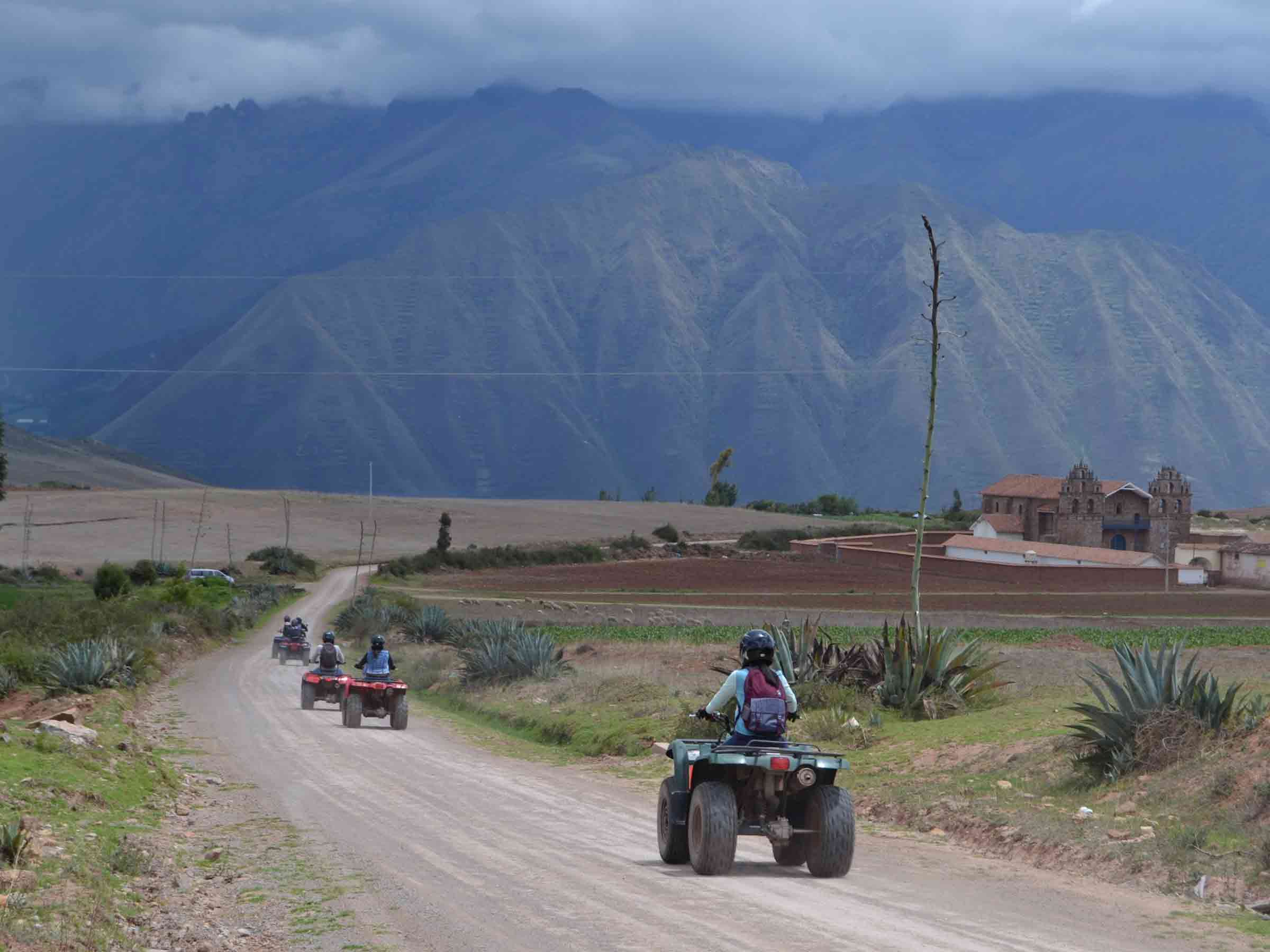
Narrow Andean valleys, snow-capped peaks, terraced hillsides, and ancient ruins around every corner — it is a landscape that humbles you.
But what surprises most visitors is the food.
Peruvian cuisine is consistently ranked among the best in the world, and the Sacred Valley has its own extraordinary culinary scene. From farm-to-table haciendas with mountain views to world-class tasting menus beside Inca agricultural terraces, eating well here is one of the great pleasures of any Peru trip.
At Machu Picchu Peru Travel, we’ve spent years exploring the dining scene across Ollantaytambo, Urubamba, and Pisac. This guide brings together our honest recommendations — the restaurants we actually send our clients to, and the ones our team keeps returning to.
Whether you’re looking for a quick lunch between ruins, a romantic dinner at altitude, or a life-changing tasting menu experience, this guide has you covered.
Why the Sacred Valley Food Scene Is So Special
Before diving into the restaurant list, it’s worth understanding what makes eating in the Sacred Valley genuinely different from anywhere else.
Extraordinary Ingredients
The Sacred Valley sits between 2,800 and 3,500 meters above sea level, with fertile river valleys and a range of microclimates that support an astonishing variety of crops.
Peru has over 3,000 varieties of native potato, hundreds of types of maize, quinoa, kiwicha (amaranth), and oca — many of them found only in Andean markets and grown in the same way they were cultivated by the Incas.
Trout from the cold mountain rivers is exceptional. Local cheeses, herbs, and peppers are grown in conditions that produce intense, concentrated flavors. The beef is often local, and alpaca is a lean, nutritious protein with a distinctive character.
Chefs in the Sacred Valley have access to ingredients that simply don’t exist elsewhere. The best restaurants here are defined by that access.
A New Generation of Peruvian Chefs
Peruvian cuisine had its global awakening in the 2000s and 2010s, driven largely by Lima’s world-renowned restaurant scene. But that energy has spread throughout the country.
Today’s Sacred Valley chefs are trained professionals with serious culinary credentials — many have worked in Lima’s top kitchens or abroad — who have chosen to return to the Andes to cook with the ingredients they grew up with.
The result is a cuisine that feels both deeply rooted and genuinely innovative.
The Setting Makes Every Meal Better
It must be said: eating a bowl of quinoa soup with a view of a snow-capped Apu (sacred mountain) just makes it taste better.
Every restaurant on this list has a setting that would be remarkable anywhere in the world. Here, it’s just the backdrop for Tuesday lunch.
The Sacred Valley at a Glance: Where to Eat and Where to Stay
The Sacred Valley stretches roughly from Pisac in the east to Ollantaytambo in the west, following the Urubamba River. The main dining towns are:
Ollantaytambo — the gateway to Machu Picchu, with a lively plaza and several excellent restaurants clustered around the Inca ruins.
Urubamba — the valley’s commercial hub, home to some of the finest dining in the region, including Mil Centro and Wayra.
Pisac — a charming town at the eastern end of the valley, famous for its Sunday market and a growing number of quality restaurants.
When our team at Machu Picchu Peru Travel designs Sacred Valley itineraries, we always build in dedicated time for eating well. A great lunch in Ollantaytambo or dinner at Hacienda Huayoccari is as much a part of the experience as visiting the ruins.
Restaurants in Ollantaytambo
1. Chuncho — Modern Peruvian Cuisine on the Plaza
Chuncho has become one of the most celebrated restaurants in the Sacred Valley, and for good reason.
Located right on the Plaza de Armas in Ollantaytambo, with the Inca fortress rising dramatically above, it combines an unbeatable setting with genuinely creative cooking.
The kitchen focuses on locally sourced, high-quality ingredients and presents them with a modern sensibility that feels sophisticated without being precious. The menu rotates with the seasons, so regulars always find something new.
Standout dishes to order:
Start with the Rocoto Relleno — the classic Peruvian stuffed pepper elevated with a precise, savory filling that captures the heat and complexity of this beloved dish perfectly.
For the main, the Nabos Jaucha is a revelation: a warm salad of wild turnips, chard, potatoes, and toasted popcorn dressed with Achachau hot sauce. It sounds humble; it tastes extraordinary.
Finish with the rotating selection of Andean desserts, which showcase ingredients like purple corn, lucuma, and aguaymanto (goldenberry) in ways that are both surprising and deeply satisfying.
The atmosphere is stylish and modern — a bright, well-designed space that feels very different from the rustic aesthetic most visitors expect in the Andes.
Chuncho at a glance:
- Address: Plaza de Armas de Ollantaytambo
- Hours: Monday to Sunday, 12:00–21:00
- Price per person: $30–$50 (starter, main, dessert, drink)
- Reservations: Not required, but recommended in peak season
- Website: chuncho.pe
2. Amanto — Sacred Valley Farm-to-Table
Amanto is a slightly more relaxed option than Chuncho but no less serious about food.
The name “Amanto” reflects the restaurant’s ethos — a word tied to Andean gratitude and connection to the land. Everything on the menu speaks to that philosophy.
The farm-to-table approach here is genuinely direct. Ingredients come from local farms the kitchen team knows personally, and the menu is built around what’s freshest each day rather than a fixed list of dishes.
The standout items tend to be the quinoa salads — layered, textured, deeply flavored — and the trout ceviche, which uses the clean, cold-river fish of the valley in a preparation that is both traditional and bright.
The alpaca steak is another menu highlight. Properly cooked alpaca has a richness and a lean minerality that’s unlike beef or lamb — it’s one of those ingredients you should try at least once while in the Andes, and Amanto does it justice.
The mountain views from the dining room are exceptional, and the cozy atmosphere makes it easy to linger over a long lunch.
Amanto at a glance:
- Address: Esquina de Calle Principal con, Ollantaytambo
- Hours: Monday to Sunday, 12:30–21:30
- Price per person: $20–$40
- Reservations: Not required
- Instagram: @amanto.restaurant
3. El Albergue — The Organic Heart of Ollantaytambo
El Albergue is an institution. The hotel that houses this restaurant was founded over 40 years ago and has become one of the most beloved stops in the entire Sacred Valley.
The restaurant’s farm is a working organic operation that supplies the kitchen with vegetables, herbs, and fruit. The result is cooking that feels genuinely connected to the land in a way that goes beyond marketing language.
The menu blends Peruvian and international influences in a way that feels natural rather than forced. The fresh trout — grilled or pan-seared, served with garden vegetables — is a perennial highlight. The alpaca steak is another reliable choice, as are the homemade pastas, which use local eggs and flour in recipes that would not be out of place in a good Italian kitchen.
El Albergue is also known for its breakfast — one of the best in the valley — and its warm, rustic setting, with stone walls, wooden beams, and views of the gardens and the mountains behind.
The restaurant is located inside the train station building, which means train passengers often stop here on their way to or from Aguas Calientes. It’s a fine place to begin or end the Machu Picchu journey.
Machu Picchu Peru Travel regularly recommends El Albergue for travelers who want reliable, high-quality food in a setting that captures the authentic character of the Sacred Valley.
El Albergue at a glance:
- Address: Estación de tren Ollantaytambo, Cusco
- Hours: Monday to Sunday, 6:00–22:00
- Price per person: $25–$45
- Reservations: Not required
- Website: elalbergue.com
4. Apu Veronica Restaurant — Honest Andean Cooking with Great Views
Named after the towering Apu Veronica mountain that watches over Ollantaytambo, this is the kind of warm, honest restaurant that becomes a traveler’s favorite after just one visit.
It doesn’t have the design sophistication of Chuncho or the farm pedigree of El Albergue, but what it offers is something equally valuable: generous portions, friendly service, fair prices, and food that tastes like it was cooked with genuine care.
The menu covers traditional Peruvian ground — trout, alpaca steak, soups, vegetarian options — with seasonal specials that reflect whatever the local market has on offer.
The views of the Inca ruins and the Apu Veronica peak are spectacular, particularly in the late afternoon light.
For travelers on a tighter budget, or those who simply want a relaxed, unpretentious meal after a long day of hiking, Apu Veronica hits the mark every time.
Apu Veronica at a glance:
- Address: C. La Convención s/n, Ollantaytambo
- Hours: Monday to Sunday, 10:00–22:00
- Price per person: $15–$25
- Reservations: Not required
- Instagram: @apuveronicarestaurantgrill
Restaurants in Urubamba
5. Huacatay — A Hidden Gem in the Valley
Huacatay is the kind of restaurant that regular visitors to the Sacred Valley keep to themselves — and then tell everyone about.
Tucked away from the main tourist routes in Urubamba, it’s intimate, unhurried, and entirely focused on flavor. The dining room is surrounded by lush gardens that supply the kitchen with herbs and vegetables. The ambiance is casual but the cooking is not.
The name “Huacatay” refers to black mint, a native Andean herb with a complex, anise-and-marigold flavor profile that appears in the cooking in subtle but memorable ways.
Don’t miss:
The alpaca carpaccio — thin slices of raw cured alpaca with a delicate dressing — is one of the best ways to experience this ingredient for the first time.
The handmade pasta is also exceptional. Finding ravioli of this quality in the Andes feels incongruous, but the skill here is genuine.
The dessert menu rotates with the seasons but always features Andean fruits and grains in preparations that are imaginative without being showy.
Huacatay is closed on Sundays. If you’re planning a visit, call ahead to confirm availability — it can fill up quickly, especially in high season.
Huacatay at a glance:
- Address: Arica 620, Urubamba
- Hours: Monday to Saturday, 12:30–20:00
- Price per person: $30–$40
- Reservations: Recommended (call ahead)
- Website: elhuacatay.com
6. Wayra — Where the Andes Meet the Table
Wayra means “wind” in Quechua, and the name captures something of the restaurant’s spirit — seasonal, changing, alive.
Located within the grounds of the Sol y Luna hotel in Urubamba, Wayra is open to all visitors (not just hotel guests) and offers one of the most complete dining experiences in the Sacred Valley: exceptional food, remarkable interior design, and a philosophy rooted in the flavors and traditions of the Andes.
The interiors are a work of art in themselves. Walls are adorned with whimsical murals and sculptures by artist Federico. The floors are traditional terracotta. Hand-painted wood carvings by Peruvian master Jaime Lievana line the walls, and wood-burning fireplaces warm both the main dining room and the lounge.
The menu celebrates the Sacred Valley’s naturally organic ingredients — many sourced from farmers the chefs know personally — prepared in traditional wood-burning ovens that bring out the authentic character of each component.
Lunch and dinner are both excellent, but the dinner experience is particularly special, with the firelight and the mountain darkness outside creating an atmosphere that feels genuinely removed from the modern world.
A strong pisco sour selection and a well-curated wine list from Peruvian and South American producers complete the picture.
Wayra at a glance:
- Address: Fundo Huincho Lote A5, Urubamba
- Hours: Lunch 12:00–15:00 / Dinner 18:00–22:00 daily
- Price per person: $40–$60
- Reservations: Not required but highly recommended for dinner
- Website: hotelsolyluna.com/gastronomy/wayra
7. Hacienda Huayoccari — Dining as a Family Tradition
Hacienda Huayoccari is not quite like any other restaurant in the Sacred Valley — or in Peru, for that matter.
This working hacienda, sitting above the Urquillos Valley with sweeping views of the Urubamba river below, has been welcoming guests to its table for generations. Arriving here feels like being invited into a Peruvian family home, because that is essentially what it is.
Every guest is greeted personally by a family member. The dining rooms are lined with Viceregal pottery, colonial wood carvings, and colorful crosses. A cozy fireplace crackles during cooler evenings. Large windows frame one of the most beautiful views in the entire valley.
The food is classic Peruvian — not reinvented, not deconstructed, but cooked with the kind of confidence that comes from preparing the same recipes for decades.
Dishes to look forward to:
The sara lawa (a rich, creamy Andean corn soup) is the kind of dish that makes you understand why corn was sacred to the Incas. Thick, warming, and deeply flavored.
The trout and tuna causa is a refined interpretation of a Peruvian classic — layered potato cake with fish, avocado, and chile.
For dessert, the elderberry cheesecake uses fruit grown on the estate — a detail that perfectly encapsulates the ethos of the place.
End your meal with a café pasado — traditional Peruvian drip coffee, brewed drop by drop — and the afternoon will stretch pleasantly into evening.
Reservations are required, as the kitchen cooks to the number of guests expected. Contact the hacienda directly by email to book.
Hacienda Huayoccari at a glance:
- Address: Huycho, Urubamba area
- Hours: Lunch 11:00–16:00 / Dinner from 18:00
- Price per person: $40–$60
- Reservations: Required (book by email)
- Website: haciendahuayoccari.com
8. Mil Centro — One of the World’s Great Restaurants
Mil Centro needs to be understood in context.
This is not simply a good restaurant in a beautiful location. Mil Centro — the creation of world-renowned Peruvian chef Virgilio Martínez and his team — is one of the most singular dining experiences on the planet.
Martínez’s Lima restaurant Central has been ranked among the top five restaurants in the world, and Mil is its Andean counterpart: a research restaurant, a food lab, and a culinary interpretation center, all in one.
Located at 3,568 meters above sea level on the agricultural terraces of Moray — the same circular Inca farming laboratory that is one of the valley’s top archaeological sites — the setting is staggering. The kitchen sources directly from the surrounding communities, working with farmers and foragers who have been cultivating these lands for generations.
The multi-course tasting menu changes with the seasons and reflects the extraordinary biodiversity of the Andes. Every dish is a study in a specific altitude, ecosystem, or ingredient family. You eat your way through Andean geography.
The Mil Immersion experience combines the tasting menu with visits to local communities, guided walks through the terraces, and conversations with the farmers whose ingredients appear on your plate. It is one of the most complete food and cultural experiences available anywhere in South America.
This is not a casual lunch stop. A reservation at Mil requires planning months in advance, and the price reflects the exceptional level of craft involved. But for travelers who care about food and culture, it is among the most memorable experiences Peru has to offer.
At Machu Picchu Peru Travel, we can build Mil Centro into your Sacred Valley itinerary and help secure the reservation as part of your broader trip planning — something that requires booking well in advance during peak season.
Mil Centro at a glance:
- Address: Moray, Maras, Cusco (53 km northwest of Cusco)
- Hours: Tuesday to Sunday, lunch from 12:00–14:30 / Mil Immersion from 9:30
- Price: Tasting menu ~$360 per person / Mil Immersion ~$620 per person
- Reservations: Required (book well in advance)
- Website: milcentro.pe
Restaurants in Pisac
9. La Ruta — Laid-Back Dining on the Main Plaza
Pisac is a smaller, more intimate town than Ollantaytambo or Urubamba, and La Ruta captures that energy perfectly.
Located near the main plaza and the famous artisan market, it’s the kind of place you fall into after a morning browsing handicrafts and find yourself staying for two hours.
The menu is broad and unpretentious — traditional Peruvian dishes like lomo saltado (the classic stir-fried beef with chips and rice) and ají de gallina (shredded chicken in a rich walnut and chile sauce) sit alongside pastas, pizzas, and a good selection of vegetarian options.
The ingredients are fresh, the service is warm, and the outdoor terrace is one of the more pleasant spots in Pisac for a long, unhurried lunch.
La Ruta won’t win fine dining awards, but it delivers exactly what most travelers want mid-adventure: good food, fair prices, and a setting that feels authentically Andean.
La Ruta at a glance:
- Address: Plaza de Pisac, Písac
- Hours: Monday to Sunday, 11:00–21:00
- Price per person: $20–$30
- Reservations: Not required
- Instagram: @laruta.restaurant
10. Cuchara de Palo — Andean Soul Food with a Pisco Sour to Match
Cuchara de Palo means “The Wooden Spoon” in Spanish, and the name signals exactly what this restaurant is about: genuine, grounded Andean cooking served with warmth and a little style.
Located inside the charming Pisac Inn on the historic plaza, Cuchara de Palo is one of the Sacred Valley’s most complete dining experiences at its price point.
The setting alone makes it worth a visit. You can choose between a lively sidewalk café table facing the plaza, a peaceful second-floor balcony overlooking the rooftops, a cozy fireplace table in the main dining room, or a flower-filled courtyard patio. Each has its own appeal depending on the time of day and weather.
The food is rooted in Andean tradition:
The Ají de Gallina — shredded chicken in a sauce made with ají amarillo peppers, bread, walnuts, and Parmesan — is one of Peru’s most beloved dishes, and Cuchara de Palo’s version is a benchmark.
The Seco de Cordero (cilantro lamb stew) is deeply flavorful, slow-cooked, and served with rice and beans in the classic style.
The Novo-Andean section of the menu showcases the kitchen’s more creative side: passion fruit trout, amaranth mashed potatoes, kiwicha corn pancakes, and alpaca steak in red wine reduction with quinotto (quinoa risotto).
Drink: Order the pisco sour. It’s made properly here — good pisco, fresh lime, egg white, bitters — and it is the right way to start or end a meal in the Sacred Valley.
On Sundays (or with advance notice on other days), the kitchen fires up the wood-burning oven for thin-crust Italian-style pizza, which has become something of a local institution.
Cuchara de Palo is also deeply committed to sustainability — working with local farmers, reducing waste, and supporting Andean cultural practices in everything from ingredient sourcing to staff hiring.
Cuchara de Palo at a glance:
- Address: Plaza Constitución 333, Písac
- Hours: Monday to Sunday, 7:00–21:00
- Price per person: $15–$30
- Reservations: Recommended (call or WhatsApp +51 957168990)
- Website: cucharadepalorestaurant.com
A Quick Reference: Sacred Valley Restaurants by Budget
Understanding your budget helps narrow the choice quickly. Here’s a snapshot of where each restaurant sits:
Budget-friendly ($15–$25 per person): Apu Veronica Restaurant, Cuchara de Palo, La Ruta
Mid-range ($25–$45 per person): Amanto, Chuncho, El Albergue, Huacatay
Splurge-worthy ($40–$60 per person): Wayra, Hacienda Huayoccari
World-class fine dining ($100–$620 per person): Mil Centro
What to Eat in the Sacred Valley: A Guide to Andean Ingredients
Knowing what to look for on the menu makes eating in the Sacred Valley much more meaningful. Here are the key ingredients and dishes to seek out.
Quinoa
The Sacred Valley and the highlands around Lake Titicaca are the original home of quinoa, grown here for over 5,000 years. In local kitchens, it appears in soups, salads, side dishes, and even drinks. Try it in its whole grain form — it’s nothing like the packaged version you find at home.
Andean Potatoes
Peru has over 3,000 native potato varieties. Many are found only in Andean markets and have colors (purple, yellow, red) and textures that differ dramatically from any supermarket potato. Any dish that features native potatoes is worth ordering.
Trout (Trucha)
Rainbow trout was introduced to Andean rivers in the 20th century but has become a defining ingredient of the regional cuisine. The cold, clear mountain water produces fish with firm flesh and a clean, delicate flavor. It’s best prepared simply — grilled or pan-fried with local herbs.
Alpaca
Farmed across the Andes for thousands of years, alpaca is a lean red meat with a mild, slightly gamey flavor. It is best compared to venison rather than beef. When well-cooked, it is tender, rich, and deeply satisfying. When poorly cooked, it can be tough — so choose restaurants (like those on this list) where the kitchen knows what it’s doing.
Rocoto
A small, round, very hot red pepper native to the Andes. The Rocoto Relleno (stuffed rocoto) is one of the great dishes of Andean cuisine — the pepper is hollowed out and filled with spiced meat and cheese, then baked until the edges caramelize. It should be on every visitor’s list.
Chicha Morada
A traditional non-alcoholic drink made from purple maize, boiled with pineapple, cinnamon, cloves, and lime. It is refreshing, slightly sweet, and deeply purple. It’s drunk throughout Peru but tastes best in the valley where the maize was grown.
Pisco Sour
Peru’s national cocktail. Made with pisco (a grape brandy), fresh lime juice, simple syrup, egg white, and Angostura bitters. Properly made, it is one of the great cocktails in the world. Drink one at Cuchara de Palo or Wayra and you’ll understand why Peruvians are so protective of it.
Practical Tips for Dining in the Sacred Valley
Opening Hours Can Vary
The Sacred Valley has a high season (May–September) and a low season, and restaurant hours often shift accordingly. Always check current hours before making a special trip, especially in the shoulder months of April and October.
Make Reservations for Special Dinners
For Mil Centro, Hacienda Huayoccari, and Wayra, reservations are essential. Mil Centro in particular books out weeks or months in advance during the dry season. If these experiences are important to your trip, book before you leave home.
Cash and Cards
Most Sacred Valley restaurants accept credit cards, but smaller establishments in Pisac and some local markets are cash-only. Always carry some Peruvian soles.
Altitude and Appetite
Eating at altitude is different. Many travelers find their appetite reduced during the first day or two in the Sacred Valley (which sits between 2,800 and 3,500 meters). Eat lightly and slowly at first. Soups, starches, and warm dishes are easier to digest at altitude than heavy proteins.
Plan Your Dining Around Your Itinerary
The Sacred Valley’s restaurants are spread across three towns. At Machu Picchu Peru Travel, we design itineraries that weave great meals naturally into each day’s sightseeing — a market visit in Pisac before lunch at Cuchara de Palo, an afternoon at Ollantaytambo ruins followed by dinner at Chuncho, or a day at Moray that ends with the Mil Immersion experience.
If you want help building a food-forward Sacred Valley itinerary, get in touch with our team.
The Sacred Valley Beyond the Plate
The dining scene in the Sacred Valley cannot be fully separated from everything else the region offers.
These restaurants exist within a broader landscape of extraordinary archaeological sites, living Andean communities, high-altitude markets, and some of the most dramatic mountain scenery on Earth.
A meal at Hacienda Huayoccari is richer because you’ve just spent the morning in the ruins of Pisac. Dinner at Wayra is more meaningful because you understand something of the history of the valley below. The trucha at El Albergue tastes better because you’ve seen the rivers it came from.
Eating in the Sacred Valley is, at its best, an act of connection — to the land, to the culture, and to the long chain of human ingenuity that stretches from the ancient Incas who first cultivated these crops to the chefs who transform them today.
Machu Picchu Peru Travel specializes in crafting Sacred Valley experiences that honor that connection. We design custom itineraries that combine the valley’s best archaeological sites, local markets, community visits, and, yes, its finest restaurants — so that every part of your trip adds depth to every other part.
If you’re planning a trip to Peru and want to make food a central part of the experience, we’d love to help you build the perfect itinerary.
Final Thoughts
The Sacred Valley’s restaurant scene has evolved remarkably over the last decade.
What was once a string of basic tourist restaurants serving mediocre versions of Peruvian classics has become one of South America’s most compelling culinary destinations — anchored by world-class establishments like Mil Centro and Wayra, enriched by committed farm-to-table operators like El Albergue and Amanto, and grounded by honest, lovable spots like Cuchara de Palo and Apu Veronica.
Whatever your budget, whatever your culinary interests, there is something extraordinary waiting for you in the Sacred Valley.
Go hungry. Stay curious. Try the alpaca.
Planning a trip to the Sacred Valley? The team at Machu Picchu Peru Travel is here to help with every detail — from Inca Trail permits and hotel bookings to restaurant reservations at Mil Centro and day-by-day itinerary planning. Contact us to start building your perfect Peru adventure.






Leave a Reply