Weather Conditions
Temperatures during the 1-day Huchuy Qosqo trek often start low in the morning, around 5 to 10 degrees Celsius at elevations over 3,800 meters, due to the high Andean setting. As the day progresses, especially by midday, it warms up to approximately 15 to 20 degrees Celsius with intense sunlight from the clear skies. Wind can pick up in the afternoons, making exposed areas feel cooler. The dry season from May to October brings mostly sunny days and stable conditions, ideal for hiking with fewer chances of slips on wet paths. In contrast, the rainy season from November to April sees more clouds and occasional showers, which can make trails muddy but add vibrant green to the landscapes. Statistics from local weather data show average rainfall below 10 mm per day in dry months, jumping to 50 mm or more in wet periods. I remember a hike where a light rain turned the valley views misty, creating a unique atmosphere, but it required quick adjustments with rain gear.
How to Dress
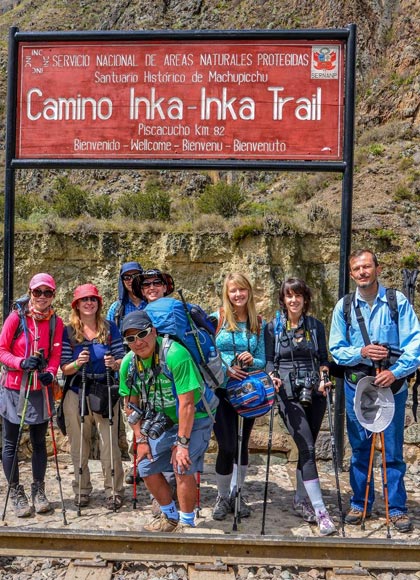
Start with layers to handle the temperature shifts: a thermal base layer for warmth against the morning chill, a fleece for insulation during ascents, and a waterproof shell to block wind or sudden rain. Include trekking pants that dry quickly, wool or synthetic socks to prevent blisters on uneven terrain, and waterproof hiking boots for grip on dirt paths and stone steps. Don’t forget a sun hat to shade your face and neck, sunglasses with UV protection to guard against the strong high-altitude sun, and perhaps lightweight gloves for early starts. A neck gaiter helps with dust or cold breezes. In my experience, forgetting sun cream once led to a bad burn despite the cool air, so apply it generously. For year-round advice, add a wool hat in cooler months like June to August, when nights dip below freezing, but opt for breathable fabrics in warmer December to February periods to avoid overheating.
Physical Effort and Health Needs
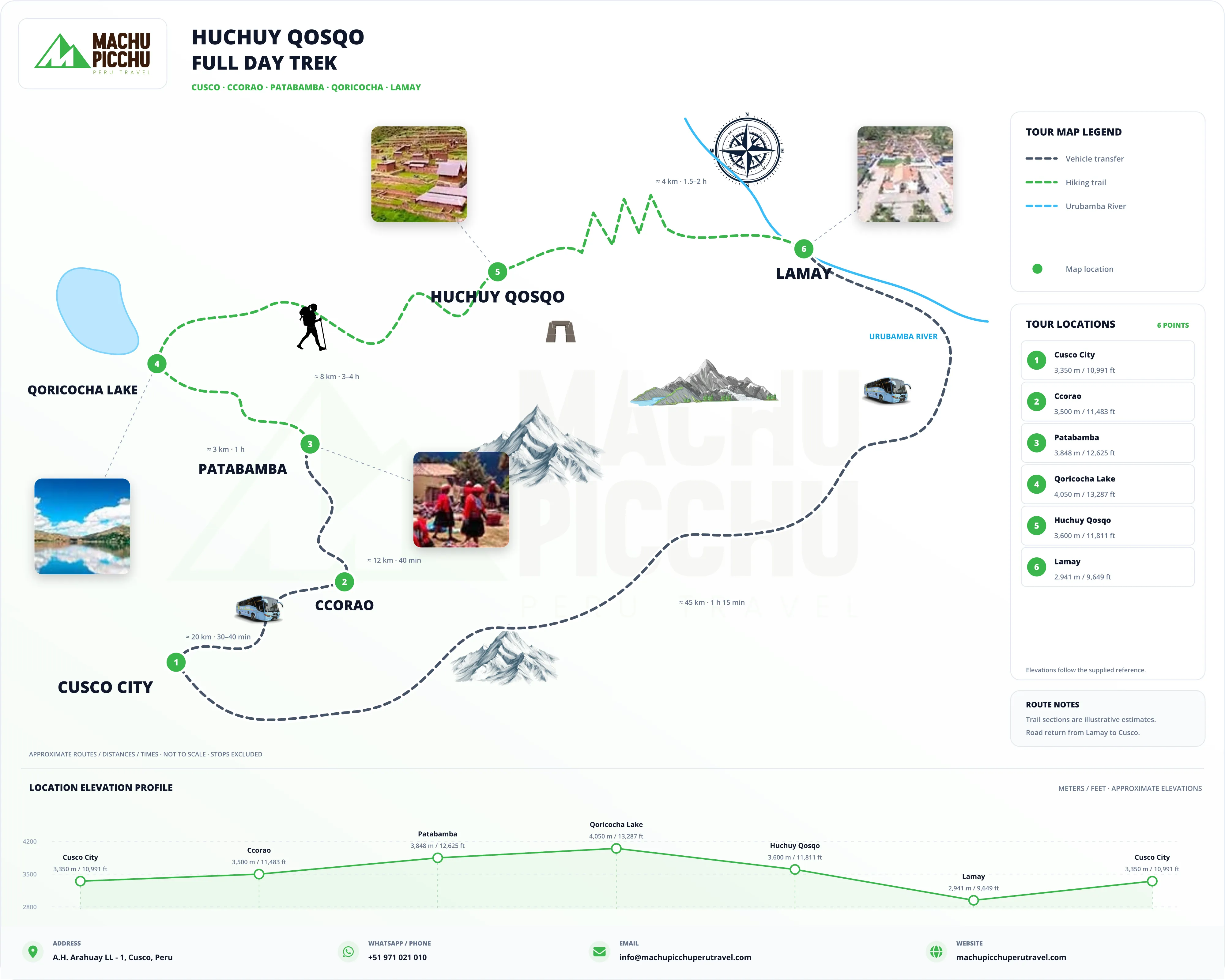
The trek covers 13 to 17 kilometers, with an elevation gain of about 600 meters, reaching a maximum of 4,200 to 4,570 meters at the pass. It begins with a short steep uphill section lasting 45 minutes to 1.5 hours, which demands steady pacing to manage breathing at altitude, followed by mostly easy descents through canyons and trails. No technical skills are needed, but the downhill parts can strain knees, so those with joint issues benefit from using walking poles for stability. Overall, it’s rated moderate, suitable for beginners who’ve acclimatized, with total walking time of 6 to 9 hours including breaks. Health-wise, altitude sickness affects about 30 percent of visitors above 3,000 meters, causing headaches or nausea, so spend 2 to 3 days in Cusco beforehand to adjust. Drink at least 3 liters of water daily, avoid heavy meals before starting, and consider coca tea for natural relief. Guides carry first aid kits with oxygen for emergencies, but get travel insurance covering high-altitude activities. One hiker I met struggled at the pass but recovered after slowing down and hydrating, turning it into a rewarding challenge.
| Aspect | Details | Recommendations |
|---|
| Distance | 13-17 km | Train with 5-10 km walks weekly |
| Elevation Gain | 600 m | Practice stairs or hills |
| Difficulty | Moderate | Acclimatize 2-3 days in Cusco |
| Time | 6-9 hours | Pace yourself, take breaks |
Typical Food
On the trail, box lunches typically feature fresh items prepared that morning, such as avocado sandwiches on local bread, slices of Andean cheese from nearby farms, fruits like bananas or chirimoya from the Sacred Valley’s fertile soils, chocolate bars for quick energy, and coca candies to help with altitude. Snacks might include cookies, caramels, or dried local fruits for sustained boosts during ascents. Everything emphasizes natural ingredients, reflecting Andean traditions where meals incorporate quinoa or potatoes grown in high terraces. For variety, some tours offer vegetarian options with vegetable wraps or nuts. A personal favorite anecdote: sharing coca candies with the group at the pass not only eased fatigue but sparked conversations about their cultural use in Peru for centuries.
Affordable Eating Options
After the trek, San Pedro market in Cusco offers budget-friendly “menus” for 12 to 18 soles, including a hearty soup like chupe de quinua, a main course such as lomo saltado with rice, and a drink like chicha morada. The market buzzes with stalls for breakfast juices or lunch specials, providing authentic flavors at low costs. Around Plaza de Armas, similar deals appear in small eateries, or try spots like La Boheme for crepes under 15 soles, Tacomania for tacos around 10 soles, or Korma Sutra for Indian-Peruvian fusion at affordable prices. Street vendors near the plaza sell empanadas for 2 to 5 soles. In San Blas market, less crowded than San Pedro, find similar cheap eats with fewer tourists. Data from traveler reviews show average meal costs at markets are 40 percent lower than restaurants, making them ideal for post-hike recovery without breaking the bank.
- San Pedro Market: Soup + main + drink for 12-18 soles; try the fresh fruit section for snacks.
- Plaza de Armas eateries: Set menus 15-20 soles; good for quick bites.
- San Blas Market: Less crowded, similar prices; focus on local specialties.
- Other spots: Jack’s Café for burgers under 20 soles, Green Point for vegan options around 15 soles.
Free Places to Visit
While acclimatizing in Cusco, explore without spending: climb the stairs to the upper part of Sacsayhuaman for panoramic views of the city (entry to main site costs, but outskirts are free), wander San Blas neighborhood’s cobblestone streets lined with artisan shops and colonial architecture, or sit on Plaza de Armas benches to watch sunsets amid historic fountains and people-watching. Stroll through the markets like San Pedro for sensory experiences of colors and smells, or hike short paths around Qorikancha temple exterior. Visit the free sections of nearby ruins or join evening walks in the historic center. About 50 percent of Cusco’s attractions have free access points, according to tourism stats, allowing easy adjustment to altitude. Once, I spent an afternoon in San Blas spotting street art, which felt like a mini cultural tour.
How the People of the Place Are
Local communities near Huchuy Qosqo, such as Patabamba, Pukamarca, Qenqo, and Lamay, maintain traditional lifestyles centered on manual farming of crops like potatoes and quinoa on terraced fields, and herding sheep or llamas for wool and meat. Families often weave textiles by hand, selling colorful items like scarves or bags directly to visitors as a way to support their economy. They speak Quechua alongside Spanish, preserving Inca-descended customs in daily routines, like community work parties for harvests. Homes are simple adobe structures, and life revolves around seasonal cycles, with sustainable practices tied to the land. Tourism aids through projects like the Salkantay Foundation, helping vulnerable groups. Residents are welcoming, often sharing stories of highland life; one interaction I had in Pukamarca involved learning about tarwi plants used for food and medicine, highlighting their deep connection to nature.