Highlights
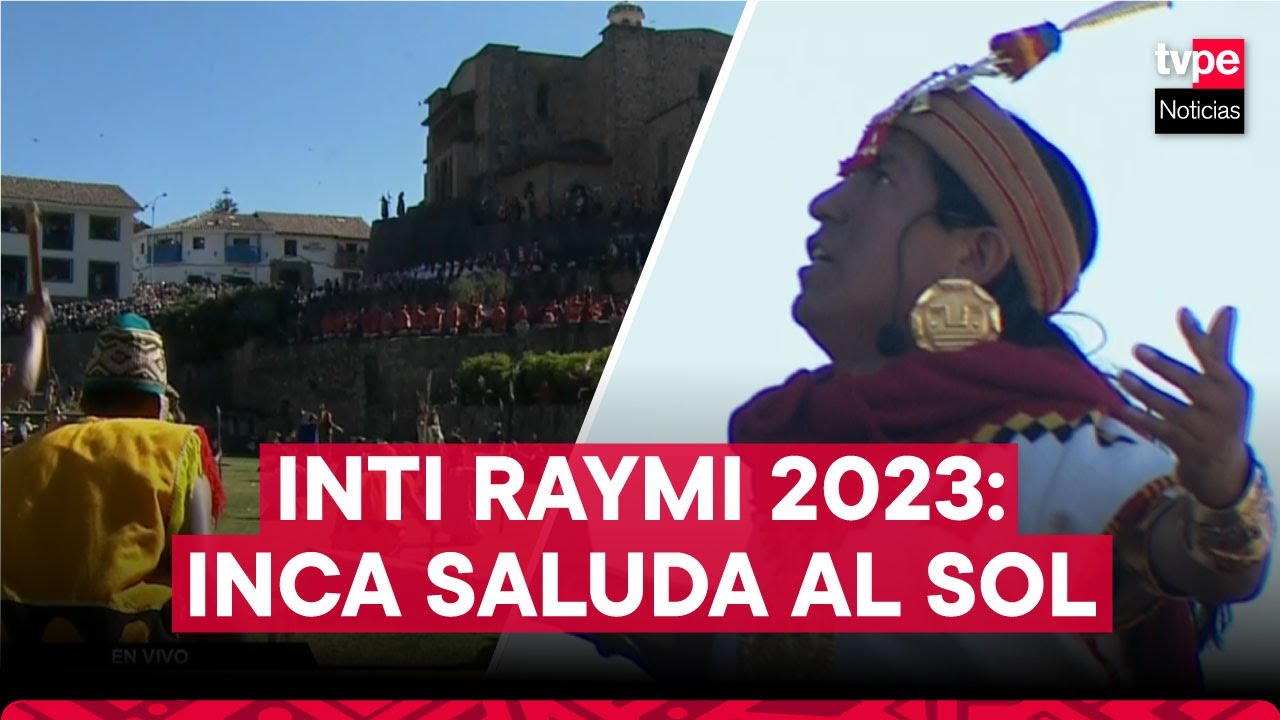
- The Inti Raymi with reserved grandstand seats — June 24 only. The Festival of the Sun is one of the most powerful cultural ceremonies on Earth. 500+ performers, 50,000 spectators, 90 minutes of ceremony in Quechua at the fortress of Sacsayhuamán. Your seat is pre-assigned — no queuing, no standing.
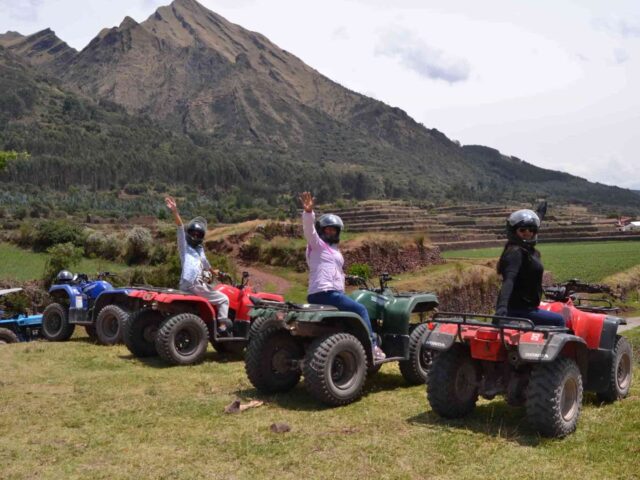
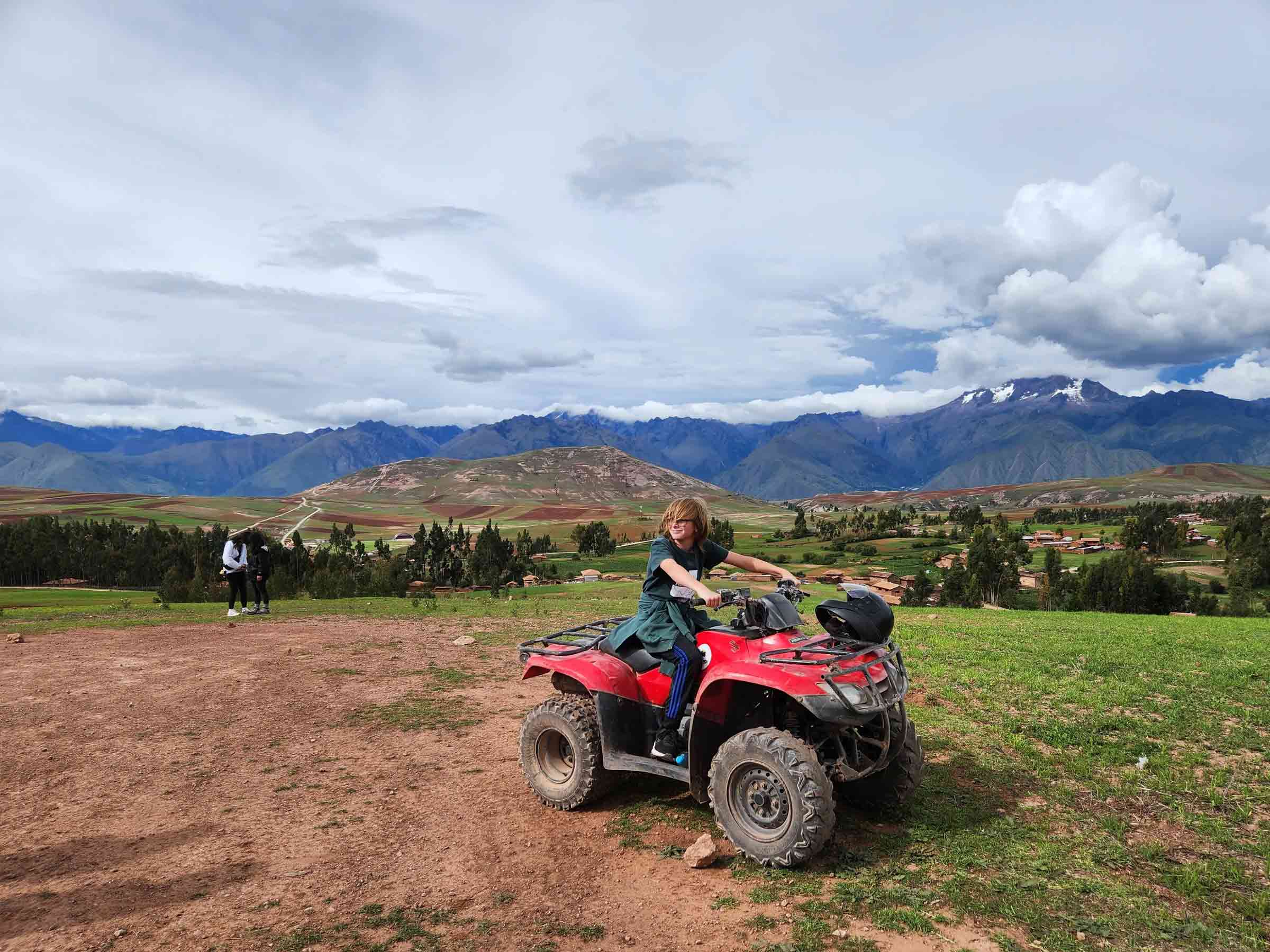
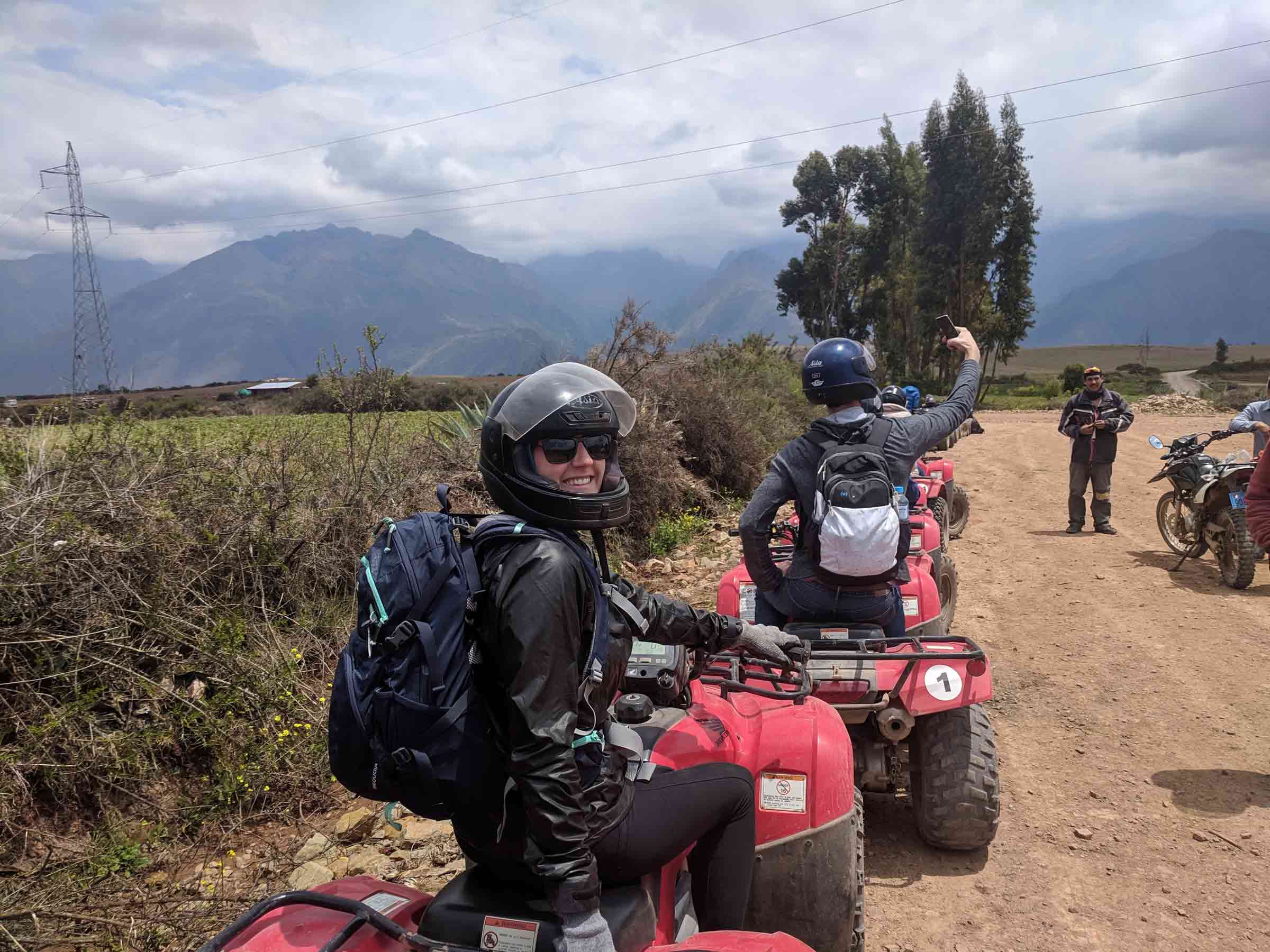
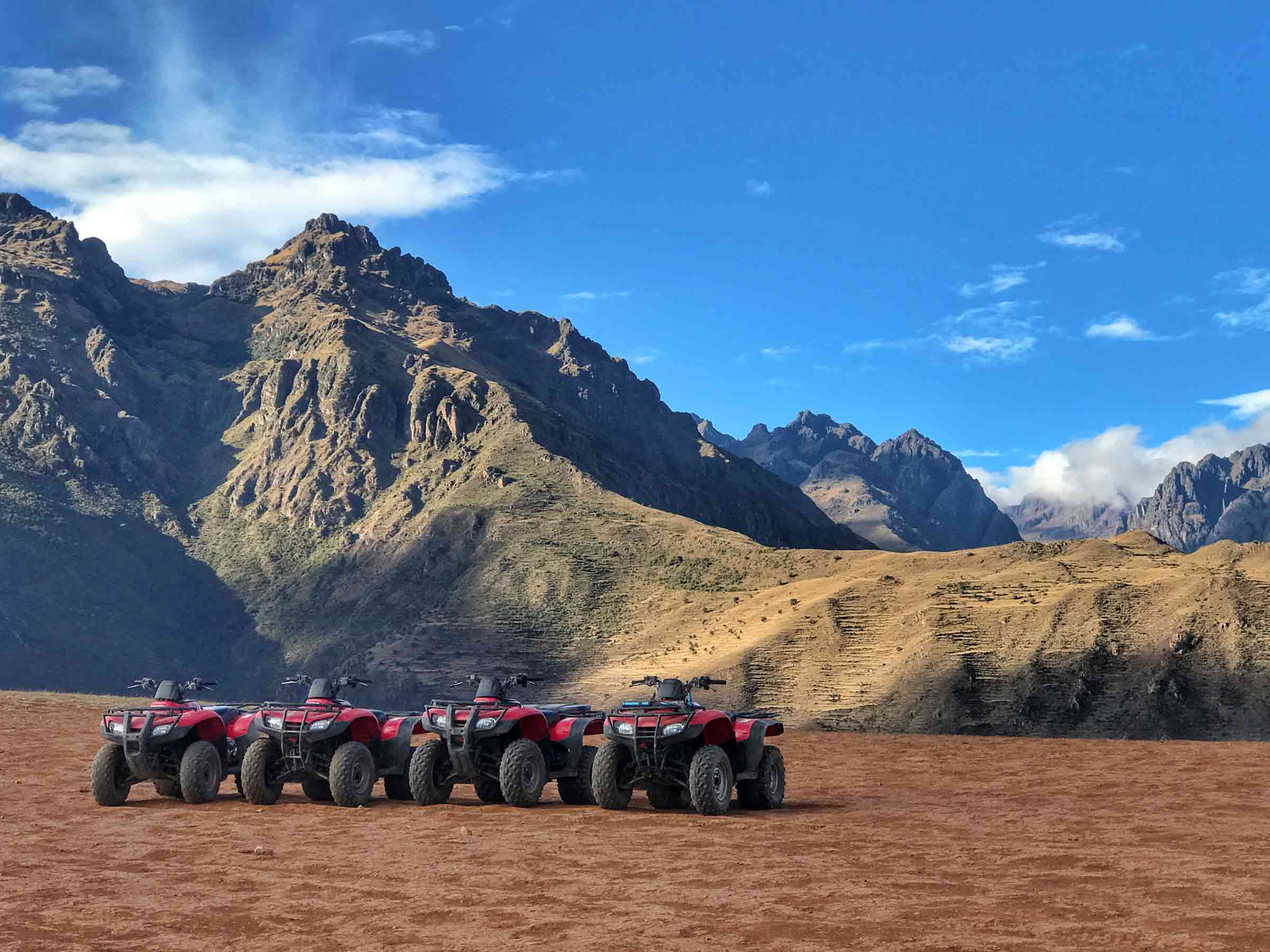
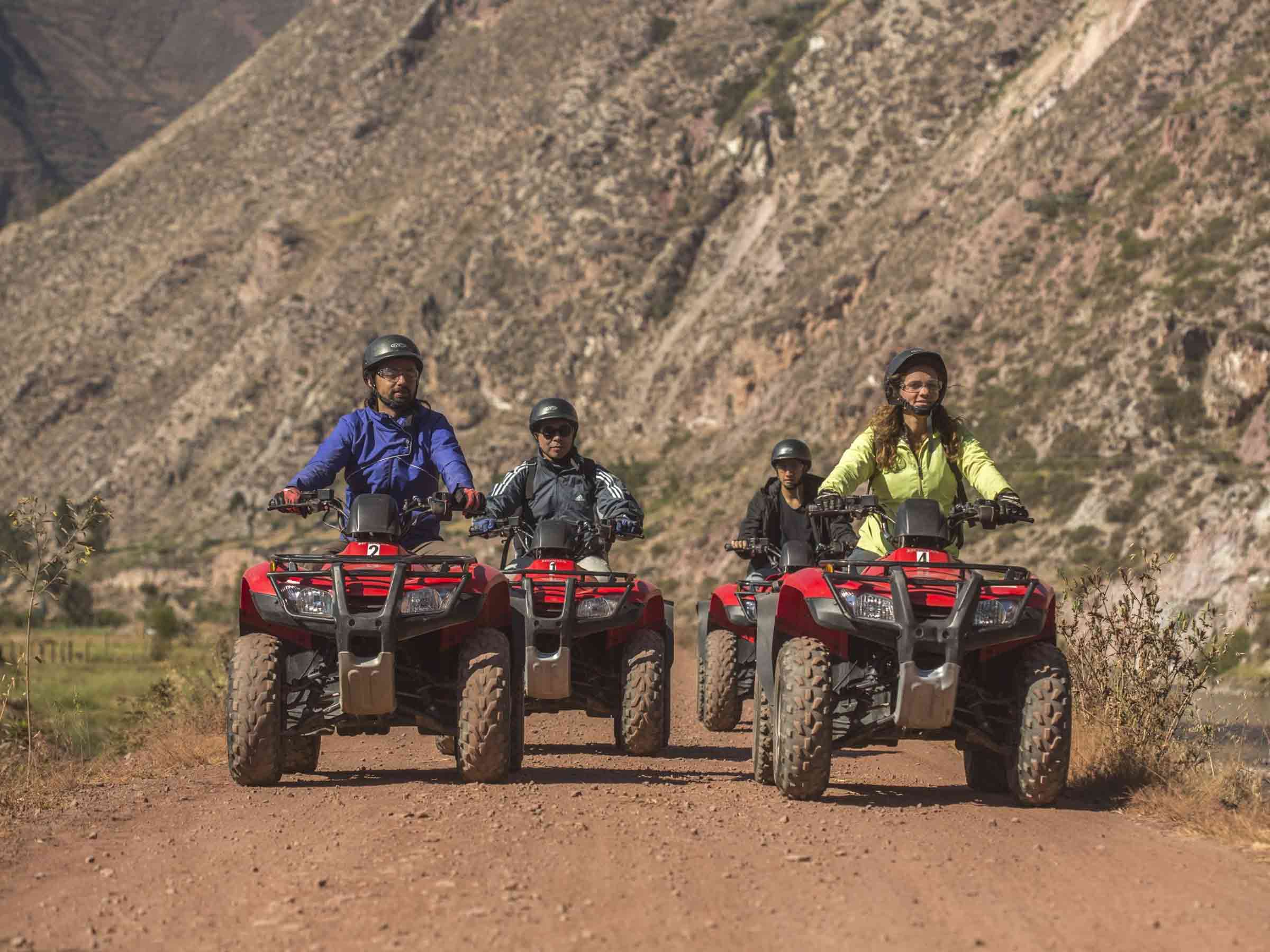
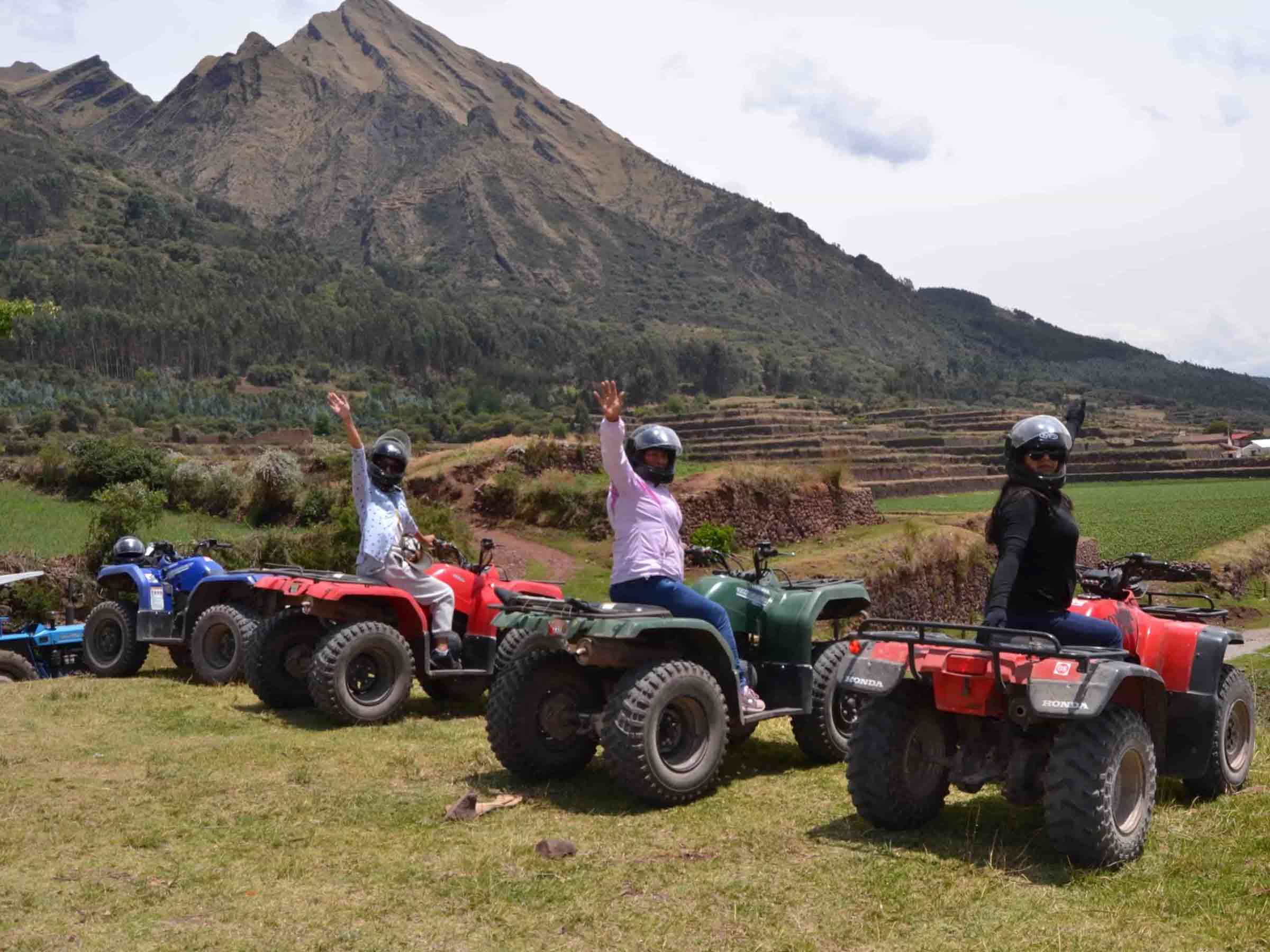
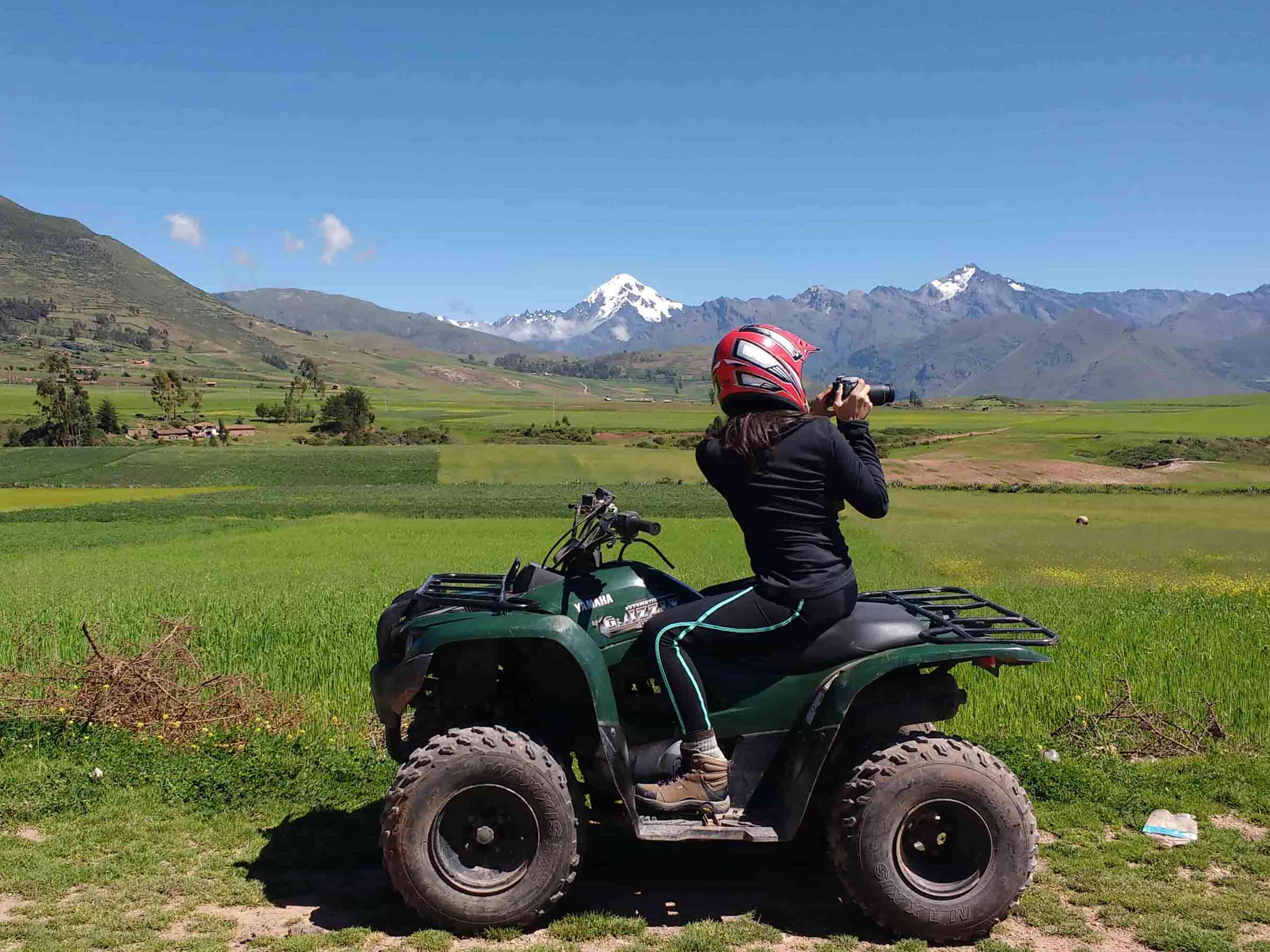
- ATV to Rainbow Mountain on a private, exclusive route. Instead of the standard 2-hour trek, you ride an ATV across the high Andean plateau on a route reserved exclusively for this operator — arriving at the mountain fresher and with more time to explore. The route covers some of the most dramatic highland scenery in all of Peru.
- Rainbow Mountain at 5,200 m — one of the world’s most extraordinary landscapes. The Vinicunca mountain (nicknamed “Rainbow Mountain” or “Montana de 7 Colores”) was only fully revealed when its snow cover melted in recent decades. The layered mineral pigments — reds, yellows, greens, purples, and whites — are entirely natural and completely unlike anything else on the planet.
- Views of Apu Ausangate — the most sacred mountain in Cusco cosmology. The ATV route passes directly below Ausangate (6,372 m), one of the most revered Apu (mountain deities) in the Andes. The views from the plateau are extraordinary.
- 6 Sacred Valley sites in a single day. Chinchero, Moray, Maras, Urubamba, Ollantaytambo, and Pisaq — the complete Sacred Valley circuit with an expert guide, covered at a comfortable pace on Day 1.
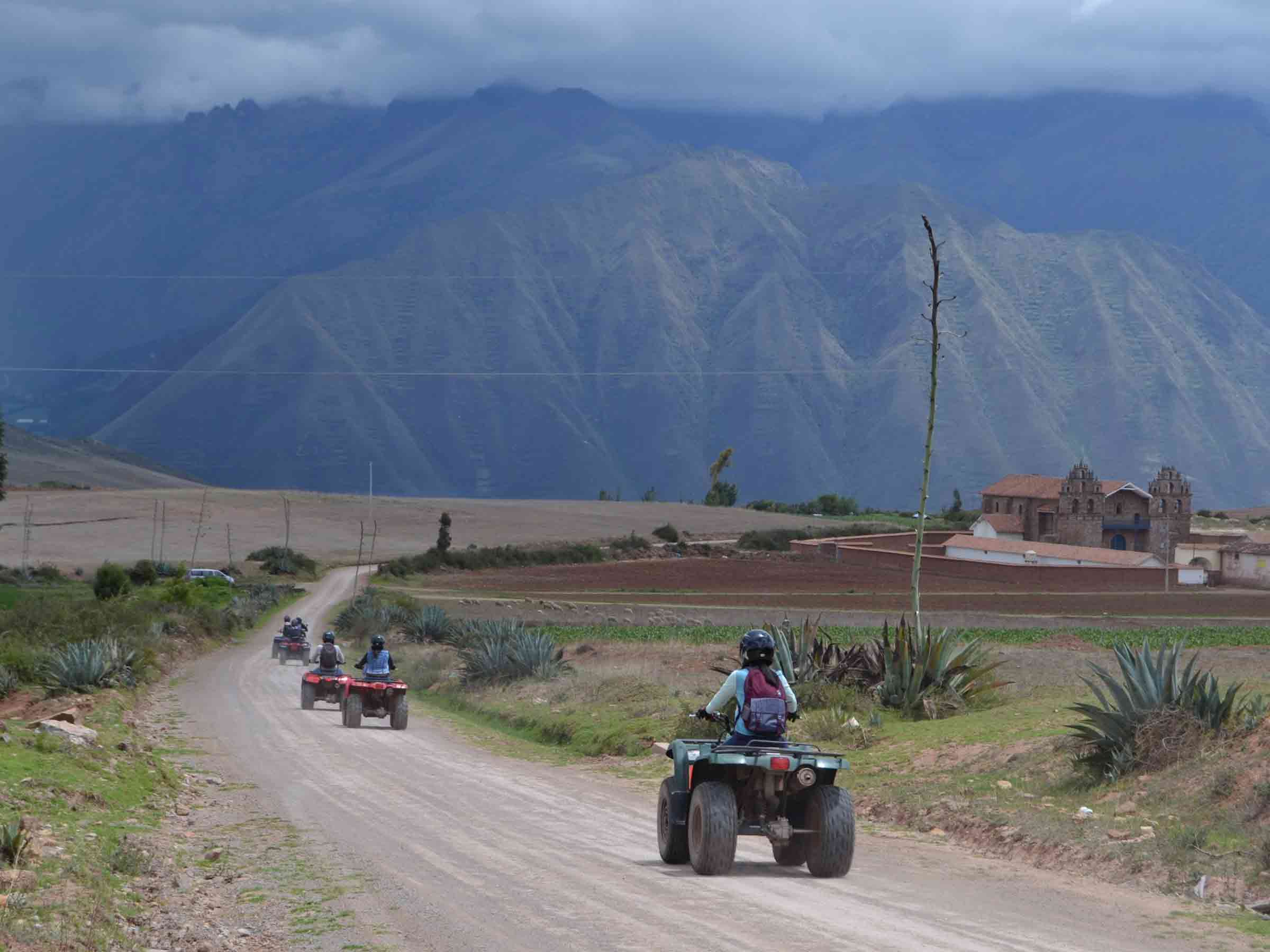
- Traditional Andean communities along the ATV route. The ride to Rainbow Mountain passes local communities where residents wear traditional dress and tend alpaca and llama herds — a living landscape that most tourists fly over on their way to Machu Picchu.
- Breakfast and lunch included on Day 3. A full hot breakfast at the restaurant in Cusipata and a hearty lunch on return — essential fuel for the physical demands of the Rainbow Mountain day.
- Flexible departure times on Day 3. Choose from four departure slots (03:00, 04:00, 06:00, or 08:00) depending on how much time you want at the mountain and how you prefer to manage altitude acclimatisation.
Trip Details
- Duration: 3 Days
- Location: Cusco, Sacred Valley, and Rainbow Mountain — Peru
- Inti Raymi: June 24, 2026 — once a year
- Difficulty: Moderate to Challenging (ATV + high altitude on Day 3)
- Maximum altitude: 5,200 m / 17,060 ft (Rainbow Mountain)
- Group size: Maximum 14 people
- Guide language: English / Spanish
- Transport: Private tourist bus + ATV (provided on Day 3)
- Minimum age: 14 years (ATV requirement)
Itinerary
Super Sacred Valley: Full Day
Schedule: Hotel pickup at 06:30 · Returns approx. 18:30
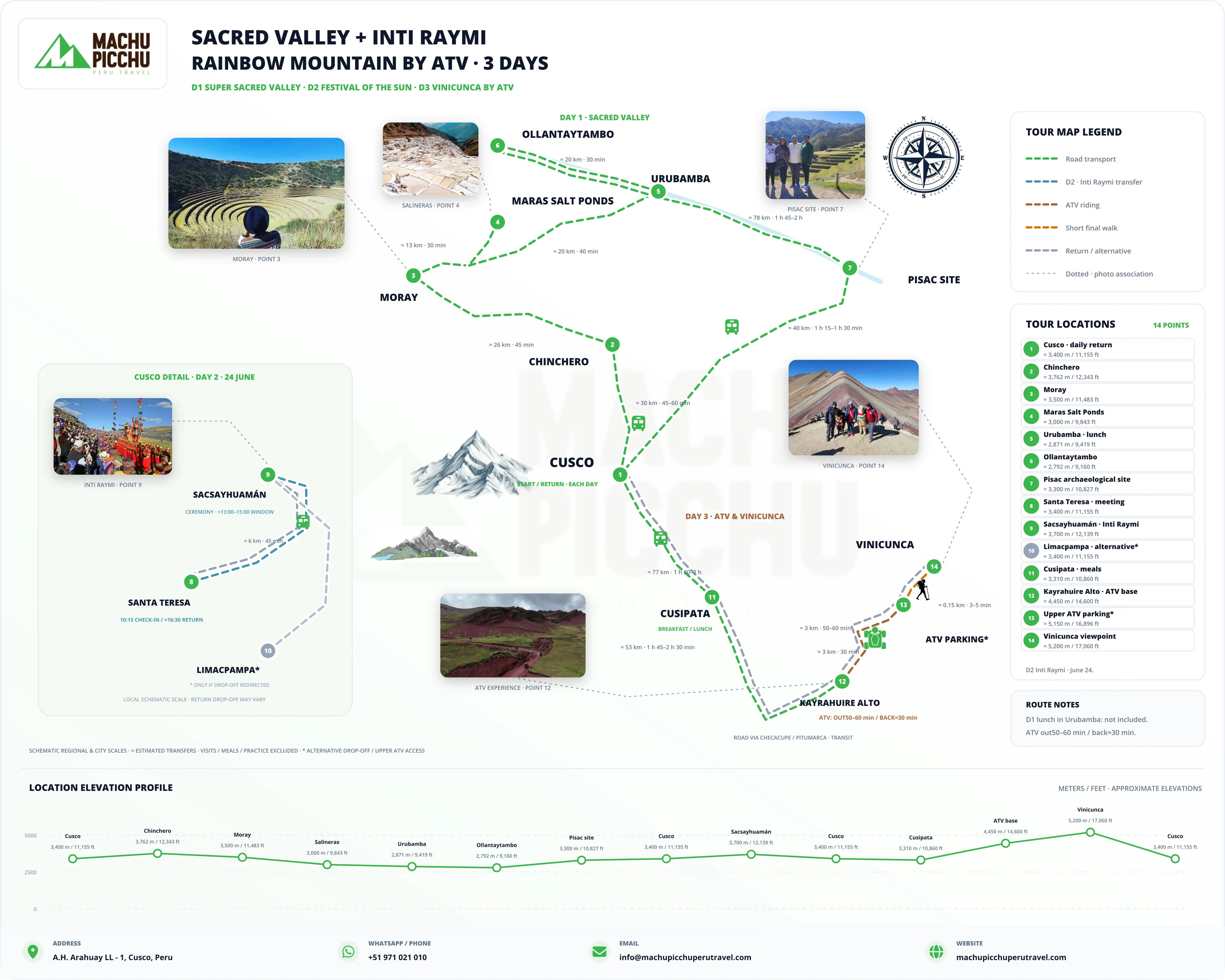
The Sacred Valley of the Incas stretches along the Urubamba River between Cusco and Machu Picchu and was the agricultural and spiritual heartland of the entire Inca Empire. On this full-day circuit you visit six distinct sites — descending from the high-altitude plateau at Chinchero (3,762 m) down to the warm valley floor at Ollantaytambo (2,792 m) — covering a remarkable range of Inca engineering, living culture, and natural scenery within a single day.
Programme
06:30 — Hotel pickup in Cusco
Your guide and private transport collect you from your hotel in the historic centre. Have breakfast before pickup — the first stop is approximately 45 minutes away. The early start puts you at Chinchero and Moray ahead of the main volume of day-tour groups, giving you a calmer, more personal experience at each site.
07:30 — Chinchero — Andean Weaving Village · Altitude: 3,762 m / 12,343 ft
Chinchero sits on the plateau between Cusco and the Sacred Valley, ringed by Inca agricultural terraces and framed by snow-capped peaks. The village has been a centre of Andean textile production for centuries and remains one of the best places in Peru to see traditional weaving in its living context.
Visit the local weaving cooperative where Quechua women demonstrate the full natural dyeing process: extracting vivid reds from cochineal (a tiny insect cultivated on cactus), yellows from native plants, and blues from minerals — unchanged techniques passed down through five centuries of family tradition. Watch the weaving process on traditional backstrap looms and purchase authentic handmade textiles directly from the artisans at transparent, fair prices.
Also visit the colonial church of Chinchero, built directly on the stone foundations of an Inca royal palace — the original Inca walls are visible at the base, and the interior contains remarkable colonial-era murals. The terraces surrounding the village offer sweeping views of the valley and surrounding peaks.
09:15 — Moray — Inca Agricultural Laboratory · Altitude: 3,500 m / 11,483 ft
Moray is one of the most thought-provoking sites in the entire Inca world: a series of circular concentric terraces descending up to 30 metres below the plateau surface in enormous natural bowl-shaped depressions. Scientific research has confirmed that each ring of terraces maintains a distinct microclimate, with a temperature difference of up to 15°C between the highest and lowest levels.
Archaeologists believe this was the Inca Empire’s agricultural research station — a living laboratory where crop varieties were tested at different simulated altitudes, allowing the Incas to develop resilient food systems for every climate zone in their vast empire. The geometry is extraordinary from the rim; descending into the terraces changes the perspective entirely.
10:30 — Maras Salt Ponds (Salinas de Maras) · Altitude: 3,380 m / 11,089 ft
Over 3,000 small terraced salt evaporation pools cascade down the hillside above the Sacred Valley, fed by a natural saline spring that has been flowing continuously since before the Inca Empire. Salt-laden water flows through a system of hand-cut channels, fills each pool, evaporates under the Andean sun, and leaves behind crystallised salt — often with a soft pink or amber hue from trace minerals. The local community still harvests the salt by hand, using wooden paddles and the same techniques used for over 600 years. One of the most visually striking landscapes in all of Peru.
12:30 — Urubamba — Lunch · Altitude: 2,871 m / 9,419 ft
Descend to the valley floor for a lunch break in Urubamba. Most restaurants here offer a generous buffet of traditional Andean dishes — quinoa soup, roast chicken, local potato varieties, and more — for approximately 45–60 Soles per person (not included in the tour price). The lower altitude at the valley floor provides welcome relief after a morning above 3,500 m.
14:00 — Ollantaytambo — The Living Inca City · Altitude: 2,792 m / 9,160 ft
Ollantaytambo is one of the most remarkable sites in the ancient world. Perched above the confluence of two rivers and towering over the valley below, it served simultaneously as a royal estate, religious centre, and strategic military fortress. It is the site of one of the few Inca military victories over the Spanish — in 1537, Manco Inca successfully defended the fortress against Hernando Pizarro’s forces.
The Temple of the Sun at the top features massive pink granite monoliths — weighing dozens of tonnes each — quarried from the Kachiqhata mountainside on the opposite side of the Urubamba River and transported across the valley and up the steep terraced hillside. The engineering remains extraordinary by any modern standard.
Below the archaeological zone, the streets of Ollantaytambo form the only surviving Inca urban grid in the world that is still inhabited. Local Quechua families live between the original stone walls and use irrigation canals built over 600 years ago. Walking these streets is genuinely unlike anywhere else.
16:00 — Pisaq — Archaeological Complex · Altitude: 2,972 m / 9,751 ft
Pisaq sits at the northeastern gateway to the Sacred Valley, 33 km from Cusco at 2,972 m. The upper archaeological complex presents some of the finest examples of Inca terraced agriculture in the entire valley — sweeping tiers of andenes (agricultural terraces) descend the steep mountainside with breathtaking precision. The site was a major strategic fortress, astronomical observatory, and ceremonial centre. Views from the upper platforms extend across the full width of the Sacred Valley, with the Urubamba River far below and mountain peaks above 5,000 m forming the backdrop. Temperature here ranges from 14°C to 20°C (57°F–68°F) — pleasant for late afternoon exploration.
~18:30 — Return to Cusco
Private transport returns you to your hotel in Cusco by approximately 18:30, depending on road conditions and time at each site. End of Day 1.
Tonight’s tip: Rest and hydrate well. Tomorrow is the Inti Raymi — one of the greatest cultural events in South America. Eat early, drink at least 2 litres of water, and prepare your documents: you will need your original passport at the morning meeting point.
Sites visited on Day 1
- Chinchero — Weaving village, Inca terraces, colonial church (3,762 m)
- Moray — Circular Inca terraces / agricultural laboratory (3,500 m)
- Maras Salt Ponds — 3,000+ terraced evaporation pools (3,380 m)
- Urubamba — Lunch stop, valley floor (2,871 m)
- Ollantaytambo — Inca fortress and living Inca town (2,792 m)
- Pisaq — Archaeological complex and valley gateway (2,972 m)
— Inti Raymi: Festival of the Sun
Date: June 24, 2026 — held once a year, this date cannot be changed
Schedule: Meeting point 10:15 · Returns approx. 16:30
June 24 is the winter solstice in the Southern Hemisphere — the most sacred date in the Inca calendar. On this day, the Incas offered their greatest annual ceremony of gratitude to Inti, the Sun God, asking for the sun’s return and blessing the year’s harvest. The Spanish colonial government banned the festival in 1535. It was revived in 1944 by Cusqueño playwright Faustino Espinoza Navarro and has been held every June 24 since. Today over 50,000 spectators attend the ceremony at Sacsayhuamán, with more than 500 performers in authentic Inca costume delivering a 90-minute re-enactment entirely in the Quechua language. It is one of the most powerful cultural spectacles anywhere in the world.
Programme
10:15 – 10:45 — Check-in at Plazoleta Santa Teresa · Altitude: 3,399 m
Our operations team receives you at Plazoleta Santa Teresa for passport registration and group briefing. Bring your original passport — a photocopy is not accepted for access to the reserved grandstand area. Your packed lunch is distributed here (no food is sold inside the ceremony grounds at Sacsayhuamán).
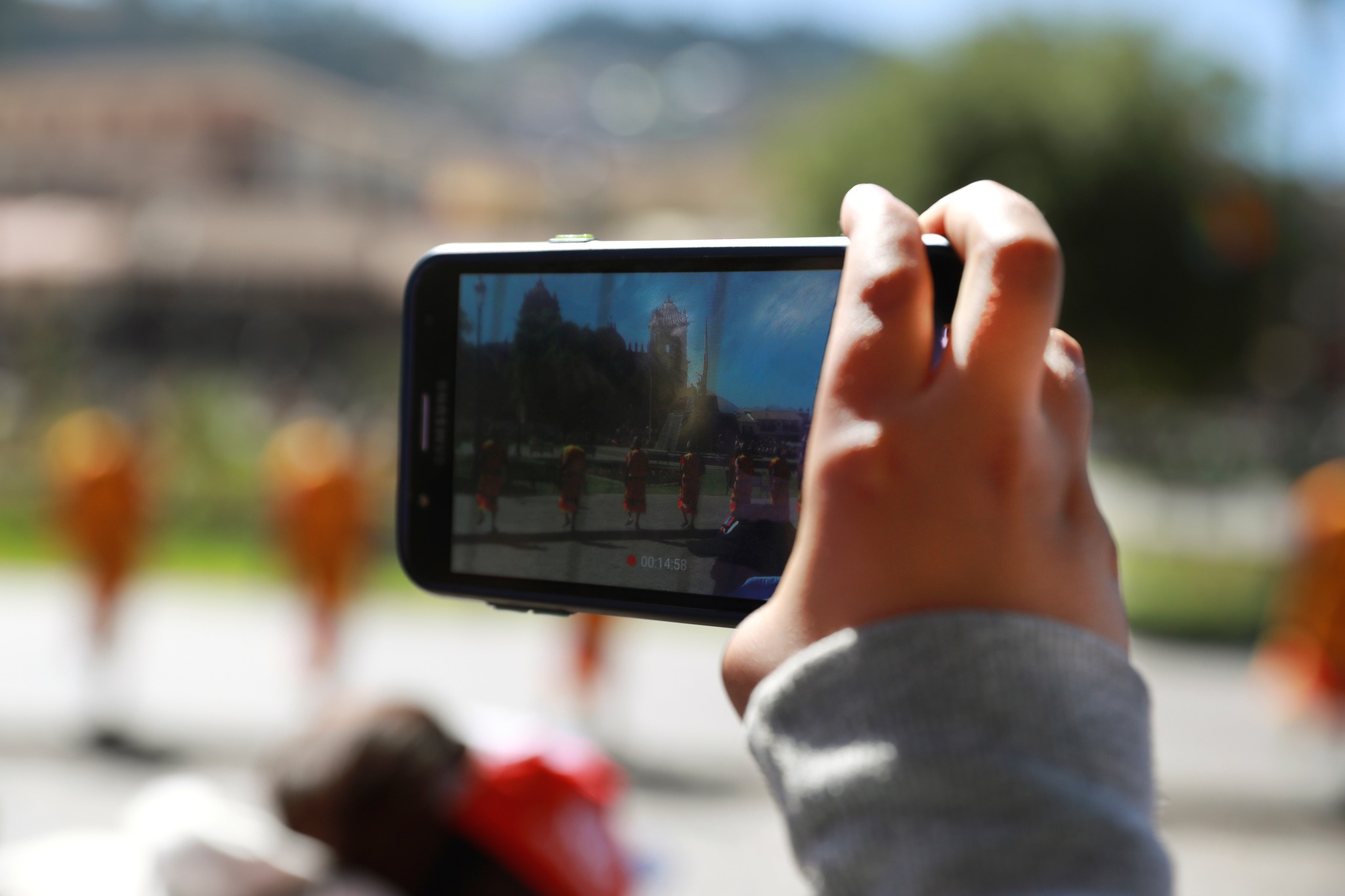
What to bring on Day 2: Original passport · Sunscreen SPF 50+ · Wide-brim hat · UV sunglasses · Light waterproof jacket · Warm extra layer (3,700 m can feel cold when sitting still for 90 minutes) · Minimum 1.5L of water · Small backpack (large bags are restricted at the venue) · Camera or phone fully charged.
10:45 — Bus departs for Sacsayhuamán
The bus departs at 10:45 on the dot. Please arrive at the meeting point no later than 10:30 — the schedule is fixed by the event and cannot accommodate late arrivals. The 45-minute ride climbs above the city of Cusco, revealing its distinctive Inca grid layout from above. No food vendors operate at the venue — eat your packed lunch before the ceremony begins or on the bus.
11:30 — Arrival and seating at Sacsayhuamán · Altitude: 3,700 m / 12,139 ft
Pass through security controls (bags are checked). You receive your official Inti Raymi 2026 programme booklet, which contains the complete English translation of the Quechua ceremony dialogue and a detailed description of every ritual sequence. Your guide escorts you to your pre-assigned grandstand seats — elevated rows with a clear, unobstructed view of the main stage and central esplanade. With 50,000+ attendees, the site is crowded, but the organisation is excellent and your experience in the reserved section is calm and comfortable.
13:00 — The Inti Raymi Ceremony begins
The Sapa Inca — played by a distinguished Cusqueño actor selected each year by public audition — is carried onto the main stage on a golden litter, accompanied by his royal court in full Inca ceremonial dress. He raises a golden chalice toward the sun and calls upon Inti to accept the gratitude of the Inca people.
Over the following 90 minutes you witness:
- Traditional dances representing the four suyos (regions) of Tawantinsuyu — the Inca Empire
- Symbolic fire rituals and the lighting of the sacred flame from the sun’s rays
- The llama offering ceremony — the most sacred moment of the ritual
- Processions of hundreds of costumed performers across the main esplanade
- Prayers and speeches in Quechua — fully translated in your programme booklet
The dialogue is entirely in Quechua but the visual spectacle needs no translation. Your booklet provides a running English commentary of every spoken element.
~15:00 — Ceremony ends — Guided return to buses
Once the ceremony concludes, our staff directs the group back to the bus loading zone. It is essential to stay with the group at this stage — the departing crowd of 50,000+ people makes independent navigation extremely slow. Police manage traffic around the venue, which may affect departure timing slightly.
~16:30 — Return to Cusco
The bus drops you at Plazoleta Santa Teresa by approximately 16:30. Due to traffic management on Inti Raymi day, the final stop may be redirected to Plaza Limacpampa (3,400 m), approximately 300 metres from Plazoleta Santa Teresa. Our team communicates any changes in real time.
The rest of the evening is yours. Cusco fills with music, dance, artisan markets, and celebration until well past midnight — one of the great street party nights in South America.
Tomorrow’s preparation: Rainbow Mountain by ATV is the most physically demanding day of the three. Go to sleep early. Drink 2–3 litres of water tonight. You will be picked up between 03:00 and 08:00 depending on your chosen departure time. Set your alarm.
Essential facts for Day 2
- Inti Raymi is held exclusively on June 24 — cannot be rescheduled
- Original passport is mandatory — no exceptions, no photocopies
- No food is sold at the ceremony venue — your packed lunch is provided
- Altitude: 3,700 m / 12,139 ft — pace yourself and breathe slowly
- Ceremony runs approximately 13:00 – 15:00 (90 minutes)
- Ceremony language: Quechua — full English translation in your programme booklet
- Total attendance: approximately 50,000 people — stay with the group at all times
Rainbow Mountain by ATV
Departure options: 03:00 / 04:00 / 06:00 / 08:00 AM — choose at time of booking
Schedule: Hotel pickup at your selected time · Returns afternoon / early evening
Rainbow Mountain — known locally as Vinicunca or Montaña de Colores — is one of the most extraordinary natural landscapes on Earth. The mountain’s surface is painted with natural mineral pigments: vivid stripes of red, yellow, green, white, and purple created by different mineral compounds deposited over millions of years and only revealed as the snow cover melted in recent decades. At 5,200 m above sea level, the journey to reach it is an adventure in itself. On this tour you ride an ATV on an exclusive private route — covering terrain that regular trekking tours cannot access and arriving at the mountain with significantly less physical fatigue.
Departure time guide
- 03:00 AM — Arrive at sunrise. The mountain is yours almost entirely before the first crowds. The drive south of Cusco in darkness is an adventure in itself.
- 04:00 AM — Arrive in early morning light. Excellent for photography. Less crowded than mid-morning.
- 06:00 AM — Arrive mid-morning. Full daylight throughout. The most popular choice.
- 08:00 AM — Best for altitude acclimatisation after Inti Raymi day. Arrive in full afternoon light.
Programme
Hotel pickup (at your chosen departure time)
Your guide and private transport collect you from your hotel in Cusco. The drive heads south through the city and out into the open Andean landscape. The road passes through small Quechua communities, farms, and high-altitude grasslands as the elevation gradually rises.
~1.5 hours after departure — Breakfast in Cusipata
After approximately 90 minutes of driving south of Cusco, you arrive at the town of Cusipata, where a full hot breakfast is waiting for you at the local restaurant — included in the tour price. This is an important stop: you will need the energy for the ATV ride and altitude ahead. Typical breakfast includes eggs, bread, fresh juice, fruit, and hot drinks (coffee, tea, or mate de coca).
After breakfast — Transfer to Kayrahuire Alto · Altitude: 4,450 m / 14,600 ft
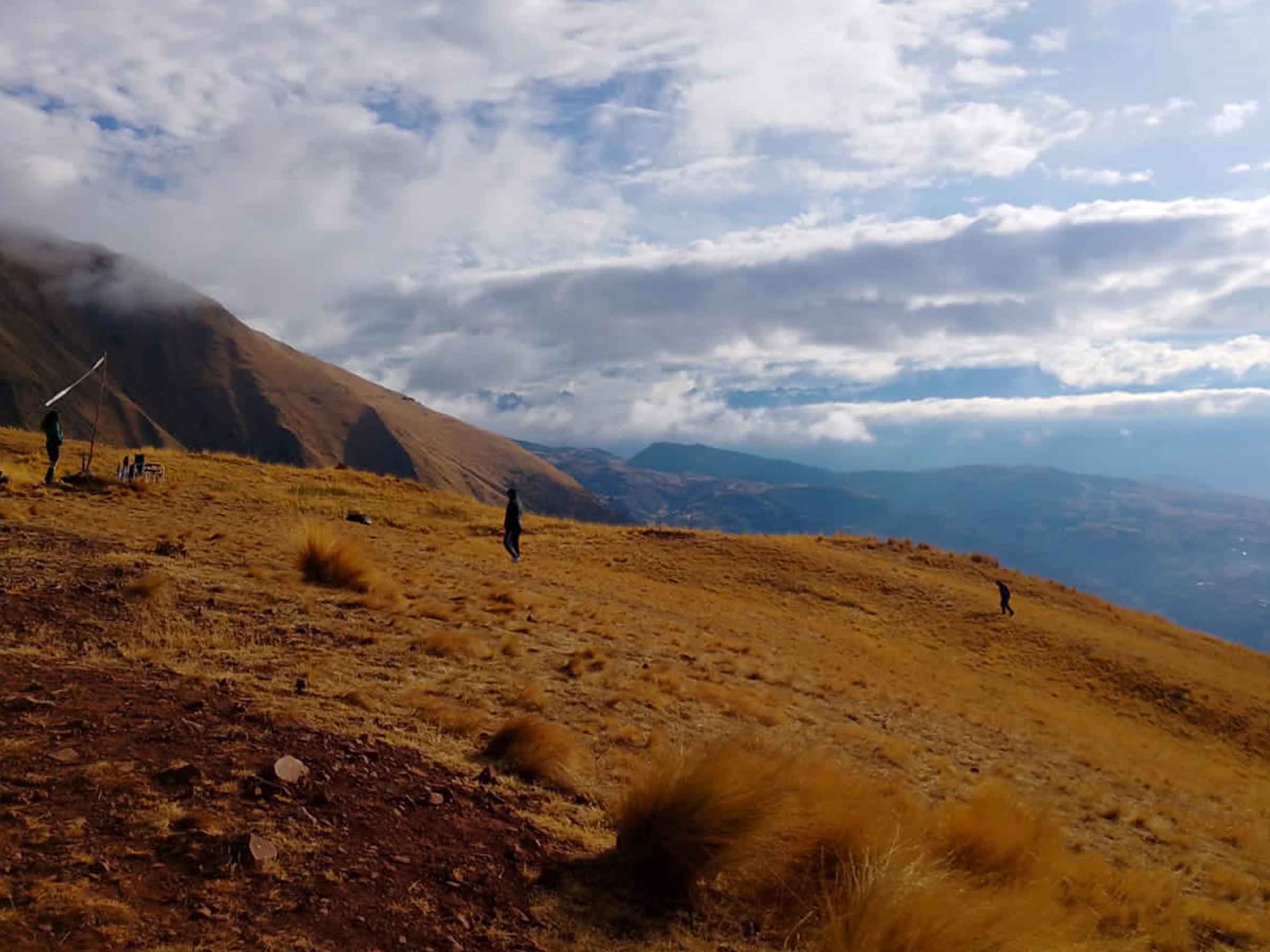
After breakfast, transport continues along a dirt track to the private property of Kayrahuire Alto at 4,450 m — the highest starting point for the ATV excursion. This is where the vehicles are waiting. The landscape here is pure high Andean puna (grassland): vast, open, windswept, and magnificent. The views of the surrounding peaks — including the snow-capped Apu Ausangate (6,372 m), the holiest mountain in the Cusco region — are already extraordinary before the ATV ride begins.
ATV briefing and practice at Kayrahuire Alto
Before departing, your guide delivers a thorough safety briefing and operating instructions for the ATVs. You then have time to practice in a designated area to build confidence before the route begins. No previous ATV experience is required — the briefing covers everything you need.
Safety rules on the ATV route:
- Speed limits are strictly enforced — this is a scenic and cultural experience, not a race
- Helmets are mandatory and provided
- The route is exclusive to this operator — no other vehicles share the path
- Follow the guide’s lead at all times
ATV ride to Rainbow Mountain — approx. 50–60 minutes one way
The ATV route covers some of the most dramatic high-altitude terrain in the Andes. The track passes through open grasslands at over 4,400 m, alongside traditional Quechua communities where residents in traditional dress tend their alpaca and llama herds — a living landscape almost completely unchanged from centuries past. You will pass directly below Apu Ausangate, the most sacred mountain in Cusco cosmology, whose glaciated flanks rise to 6,372 m above the plateau.
Speed is deliberately unhurried — the goal is to enjoy the landscape, not cover distance. The ATVs travel in a group with the guide leading.
Arrival at Rainbow Mountain (Vinicunca) · Altitude: ~5,200 m / 17,060 ft
After the ATV ride, the vehicles are parked and a short walk of 3 to 5 minutes brings you to Rainbow Mountain itself. From the viewpoint, the full spectacle reveals itself: an entire mountainside painted in natural bands of colour — red from iron oxide, yellow from iron sulphide, white from quartz, green from copper, and purple from manganese. The colours are at their most vivid after light rain or when the mountain is lit by mid-morning or afternoon sun.
You have approximately 40 minutes to explore the viewpoint area, take photographs, and absorb one of the most unusual landscapes on Earth. The altitude here is approximately 5,200 m — breathe slowly, move at a gentle pace, and stay well hydrated.
ATV descent — approx. 30 minutes back to parking area
After the visit, return to the ATVs for the descent back down to the vehicle parking area. The downhill ride takes approximately 30 minutes on the same exclusive route. The landscape looks completely different in the opposite direction and at a different time of day — equally spectacular.
Return to Cusipata restaurant — Lunch included
After returning the ATVs, private transport brings you back to the restaurant in Cusipata for a full hot lunch — included in the tour price and well deserved after the morning’s physical demands. Typical lunch includes a soup starter, main course with rice or potatoes, and a hot drink. Rest here before the return journey.
~1.5 hours — Return drive to Cusco
After lunch, the drive back to Cusco takes approximately 90 minutes. Drop-off at your hotel in the historic centre. End of the 3-day programme.
Highlights of Day 3
- ATV ride on an exclusive private route — no sharing with other operators
- Views of Apu Ausangate (6,372 m) — holiest mountain in Cusco cosmology
- Rainbow Mountain (Vinicunca) at 5,200 m — natural mineral stripes of vivid colour
- Traditional Quechua communities in highland dress along the route
- Breakfast and lunch included
- High-altitude puna grassland landscape — unique to the Southern Andes
All Sites Visited — Complete Reference
This 3-day tour covers 10 distinct stops across the Sacred Valley, Cusco area, and the Andes south of Cusco.
| Day | Site | Altitude | Type | Highlights |
| Day 1 | Chinchero | 3,762 m / 12,343 ft | Living village | Natural dyeing demo, weaving cooperative, Inca terraces, colonial church on Inca foundations |
| Day 1 | Moray | 3,500 m / 11,483 ft | Experimental site | Circular concentric terraces, microclimate rings, Inca agricultural laboratory |
| Day 1 | Maras Salt Ponds | 3,380 m / 11,089 ft | Working salt mine | 3,000+ terraced pools, pre-Inca origin, pink salt, active community harvest |
| Day 1 | Urubamba | 2,871 m / 9,419 ft | Town / lunch stop | Valley floor rest and buffet lunch, lowest altitude of Day 1 |
| Day 1 | Ollantaytambo | 2,792 m / 9,160 ft | Fortress / Living city | Only surviving Inca urban grid, Temple of the Sun monoliths, site of Inca victory over the Spanish |
| Day 1 | Pisaq | 2,972 m / 9,751 ft | Archaeological complex | Extensive Inca terracing, strategic fortress and ceremonial centre, sweeping valley views |
| Day 2 | Inti Raymi at Sacsayhuamán | 3,700 m / 12,139 ft | Annual ceremony | 500+ performers, 50,000 spectators, 90-min ceremony in Quechua, reserved grandstand seats |
| Day 3 | Kayrahuire Alto (ATV start) | 4,450 m / 14,600 ft | Private ATV base | Exclusive private route, ATV briefing and practice area, views of Ausangate |
| Day 3 | ATV route — Andean plateau | 4,400–5,000 m | ATV adventure | Quechua communities, alpaca herds, Apu Ausangate views, dramatic highland landscape |
| Day 3 | Rainbow Mountain (Vinicunca) | ~5,200 m / 17,060 ft | Natural landmark | Natural mineral colour bands, 40-minute exploration time, highest point of the tour |
Inclusions
- Transport with hotel pickup
- Super Sacred Valley Tour
- entrance fees: Chinchero, Moray, Salineras, Ollantaytambo
- Buffet Lunch
- Profetional Tour Guide
- Textile demonstration at Chinchero weaving cooperative
- Inti Raymi Sun Fest in Cusco
- Reserved, pre-assigned grandstand seats at the Inti Raymi ceremony (orange seat vip)
- Turistic Transportation
- Official Inti Raymi 2026 programme booklet with full English translations
- Box lunch (regular – vegetarian)
- Rainbow Mountain by ATV ( Day 3)
- ATV vehicle and helmet on Day 3 (exclusive private route)
- Full ATV safety briefing and practice time
- Breakfast at Cusipata restaurant
- Lunch at Cusipata restaurant on return
- Entrance ticket
- Hotel accommodation in Cusco (recommendations available on request)
- Flights to and from Cusco
- Boleto Turístico del Cusco for Day 1 sites (approx. USD 45 / 170 Soles — if not already purchased)
- Personal travel insurance (required — see FAQ)
- Tips for guide and driver (optional)
- Altitude medication such as Acetazolamide (consult your physician)
- Personal drinks, souvenirs, and optional purchases at artisan markets
- Any activities not listed above
What Travelers Say About this Tour
Our clients trust us, and their glowing reviews on TripAdvisor speak for themselves. Discover why so many travelers choose us for unforgettable experiences in Cusco.
Pricing Options
At Machu Picchu Peru Travel, we offer personalized Sacred Valley Tour + Inti Raymi + Rainbow Mountain by ATV, 3-Day, designed to match your interests and preferences. With expert local guides and customized itineraries, explore the beauty of the Andes. Check out our pricing options for a memorable adventure.
the group will be between 15 - 20 people aprox
We need as minimun 2 passengers
Cancellation and Refund Policy
| Notice period before tour start | Refund |
| More than 60 days | 100% refund (minus bank transfer or processing fees) |
| 30–45 days | 50% refund — Inti Raymi seats and ATV slots cannot be resold at this stage |
| 15–20days | 25% refund |
| Less than 7 days | No refund |
| Same day / no-show | No refund |
Inti Raymi grandstand seats and ATV reservations are booked and allocated in advance and cannot be transferred or resold. This is reflected in the stricter cancellation terms for this tour. We strongly recommend purchasing comprehensive travel insurance that includes trip cancellation coverage.
In the event of cancellation by the operator due to force majeure, natural disaster, or government restriction, a full credit valid for 18 months will be issued.
Inquiry now
Ready to experience Machu Picchu? Let our expert team take care of every detail, from entrance tickets and train arrangements to transportation and guidance, so you can focus on enjoying one of the world most breathtaking destinations. With years of experience, personalized assistance, and hundreds of happy travelers every year, we make your visit simple, safe, and unforgettable. Reserve your Machu Picchu tour today and secure your place at Peru’s most iconic wonder before availability runs out.
Need More Information?
If you have any questions or want to customize your experience, our local travel experts are ready to assist you 24/7.