

Machu Picchu Is Getting Even Better in 2026
And Here’s Why the Price Increase Is Great News
A small conservation fee starting May 1st will help protect one of humanity’s greatest treasures. Here’s everything you need to know before you book.
Imagine standing at 2,430 meters above sea level, surrounded by mist-covered mountains and the silent weight of centuries-old stone. Machu Picchu isn’t just a destination — it’s a once-in-a-lifetime encounter with human greatness. And starting this May, every visitor will contribute a few extra soles to make sure it stays that way for generations to come.
What’s Actually Changing — And What Isn’t
Peru’s government has officially announced a modest price adjustment for entry to the Historic Sanctuary of Machu Picchu, effective May 1, 2026. The measure was formalized through Resolution Directoral N.° 000006-2026-SERNANP/DUSRN, published in the official government registry, and was years in the making — technically approved back in 2022 but carefully postponed until the right conditions were in place to implement it responsibly.
The most important thing to understand is this: the base ticket price is not changing. What’s being added is a small supplementary conservation fee, collected by SERNANP (Peru’s National Protected Natural Areas Service), and dedicated entirely to the preservation and management of the natural sanctuary that surrounds the citadel.
Think of it as a small gift to the site that gives you so much.

The New Prices at a Glance
Here’s a clear breakdown of what visitors will pay from May 1st onwards, compared to the current rates:
Foreign tourists — Adults (18+) Current price: S/ 152 → New price: S/ 163 (~$48.60 USD) · Conservation fee added: S/ 11
Foreign tourists — Children and teens (3–17) Current price: S/ 152 → New price: S/ 157 (~$46.80 USD) · Conservation fee added: S/ 5
Peruvian nationals — Adults (18+) Current price: S/ 64 → New price: S/ 69 (~$20.50 USD) · Conservation fee added: S/ 5
Peruvian nationals — Children and teens (3–17) Current price: S/ 64 → New price: S/ 67 (~$20.00 USD) · Conservation fee added: S/ 3
The pricing structure remains differentiated by nationality and age, just as before. The additional fee is the only change — nothing about the circuits, entry times, or booking process is affected.
Why the Increase? The Honest Answer
Peru’s Minister of Foreign Trade and Tourism, Teresa Mera Gómez, has been admirably clear about the motivation: “This increase responds to the need for resources for the maintenance of the park.”
Machu Picchu is a UNESCO World Heritage Site and one of the Seven Wonders of the Modern World — and wonders require constant, expert care. The ancient stonework, the terraced hillsides, the fragile cloud forest ecosystem clinging to the Andean slopes — all of it demands continuous attention from archaeologists, ecologists, and conservationists. The new conservation fee will fund exactly that: protection of the natural landscape surrounding the sanctuary, better visitor infrastructure, and the ongoing preservation of structures that have already survived six centuries.
The minister also clarified that this decision was made following careful technical evaluations involving multiple government ministries. It isn’t an arbitrary adjustment. It is a measured, cross-institutional commitment to sustainable tourism — and it comes at a moment when Peru has been actively strengthening Machu Picchu’s international profile, striking strategic agreements at the FITUR Madrid tourism fair and attracting new investment from global tour operators. The health of the site is central to that mission.
For less than the price of a coffee at most international airports, foreign visitors are now directly contributing to the survival of one of humanity’s most extraordinary places. That is a remarkable deal by any measure.

What If You Already Have Tickets?
If you booked early for the June–July high season, you are in a reasonable position. The Peruvian Ministry of Tourism has acknowledged the situation and is currently evaluating whether pre-purchased tickets will be honored at their original price. The minister’s office has stated they are reviewing options and will communicate final guidance before May 1st.
The key message: do not cancel your plans over this. Even in the scenario where a small top-up is required at the entrance, you are talking about a difference of roughly $3.20 USD for an adult foreign visitor. It does not change the value of your trip in any meaningful way.
One Important Exception to Know
The new conservation fee does not apply to visitors entering the sanctuary via the Inca Trail network (Red de Caminos Inka). If you are trekking in through the Classic Inca Trail, the Salkantay route, or any of the other trail approaches, your pricing and permit system remain entirely unchanged. This exception was explicitly written into the official resolution and is not subject to revision. Trekkers can plan with full confidence.
Your 2026 Ticket Booking Guide
Planning a visit this year? Here is everything you need to know to book smartly and avoid the most common frustrations.
Where to Buy Your Tickets
All official tickets are sold exclusively through tuboleto.cultura.pe, the Ministerio de Cultura’s official platform. There is no authorized third-party seller — any other source is unofficial and potentially fraudulent. Tickets include a 6% processing commission not reflected in the base price, so factor that into your budget.
Book as Early as Possible
Daily visitor capacity ranges from 4,500 tickets in low season to 5,600 tickets in high season. Despite these numbers, the most popular dates — particularly June, July, and major Peruvian holidays — sell out weeks or even months in advance. Tickets for all of 2026 have been available since November 17, 2025. If you haven’t booked yet, do it now.
Choose the Right Circuit
Machu Picchu operates on a structured circuit system designed to manage visitor flow and protect the site. Understanding your options before you arrive makes a significant difference to the experience.
Circuit 1 — The Panoramic Route offers the classic postcard photograph from the Guardian’s House esplanade, with sweeping views over the entire citadel. It does not include access to the interior ruins. The walk takes approximately 90 minutes and is accessible to visitors of all fitness levels.
Circuit 2 — The Classic Route is the most popular option and the one most visitors should choose. It includes the panoramic viewpoint plus full access to explore the citadel interior — the Temple of the Sun, the Sacred Plaza, the Intihuatana stone, the Temple of the Three Windows. Total duration is approximately 3 hours.
Circuit 3 — The Royalty Route covers the lower section of the citadel and is a shorter, less intensive option. It also serves as the access point for the Great Cavern add-on.
All circuits are one-way. You cannot backtrack once inside, and rangers will escort you out if you leave the designated path, without a refund.
Optional Add-On Tickets
For visitors wanting the most dramatic views, two mountain add-ons are available alongside Circuit 1:
Huayna Picchu — the steep, iconic peak rising directly behind the citadel in every photograph. Highly limited tickets available. The climb is demanding but the view from the summit is unparalleled.
Machu Picchu Mountain (Montana) — a longer, less crowded alternative to Huayna Picchu that reaches a slightly higher elevation. Equally stunning and more accessible. Both add-ons sell out extremely fast and must be booked at the same time as your main ticket.
Respect Your Entry Time
Your ticket specifies a strict arrival window. You have 30 minutes of tolerance in low season and 45 minutes in high season to present yourself at the entrance. Arriving after that time, without documented evidence of extraordinary circumstances, means no entry and no refund. Plan your transport from Aguas Calientes accordingly and always build in buffer time.
Getting There: The Train and Bus
The vast majority of visitors arrive by train to Aguas Calientes (also called Machu Picchu Pueblo), the small town at the base of the mountain. Train services depart from Cusco and from Ollantaytambo, with PeruRail and Inca Rail as the two main operators. From Aguas Calientes, Consettur buses make the 25-minute switchback climb to the citadel entrance.
Both train tickets and bus tickets should be reserved well in advance, especially during peak months. The train in particular has very limited availability and prices rise sharply as the date approaches.

The Bigger Picture: A Wonder Worth Protecting
Let’s put this all in perspective. Machu Picchu was built by the Inca civilization in the mid-15th century under the reign of Pachacútec, likely as a royal estate and religious retreat. It was abandoned within a century, swallowed by cloud forest, and remained unknown to the outside world until explorer Hiram Bingham brought it to international attention in 1911. The site has since survived earthquakes, landslides, decades of unregulated tourism, and the relentless pressure of millions of annual visitors.
That it still stands — still breathtaking, still spiritually overwhelming — is not an accident. It is the result of sustained conservation work by generations of Peruvian archaeologists, government stewards, and international heritage organizations. The new conservation fee is the latest expression of that commitment.
It signals, clearly, that Peru takes its role as guardian of this global heritage site seriously. It means the trails will be better maintained, the ancient structures more carefully monitored, and the natural ecosystem of the Machu Picchu sanctuary better protected for the visitors who will come fifty years from now.
Go. It Is Worth Every Sol.
If you have been waiting for the right time to visit Machu Picchu, stop waiting. The clouds will still curl around Huayna Picchu in the early morning light. The llamas will still wander the terraces with complete indifference to your camera. The stones will still carry the weight of six centuries of history, fitted together with a precision that continues to astonish engineers today.
And now, your ticket will carry something extra too: a direct contribution to keeping all of that alive. That seems like a very good reason to go.
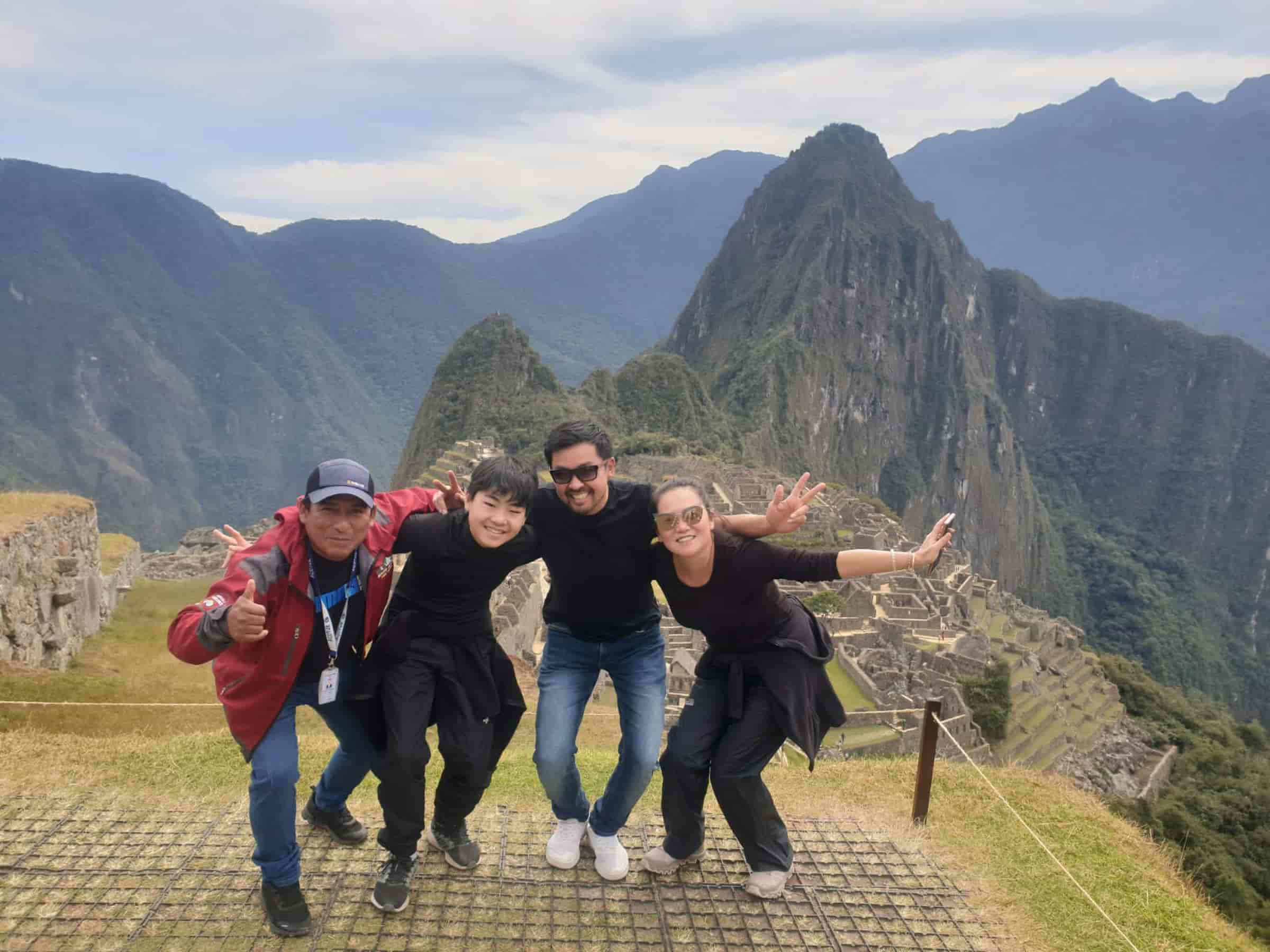
Book your 2026 tickets at tuboleto.cultura.pe — and give yourself plenty of time to plan.
Sources: SERNANP Resolution Directoral N.° 000006-2026, Ministerio de Comercio Exterior y Turismo (Mincetur), El Comercio Perú, Infobae Perú · February 2026






Leave a Reply