

Peru is one of the most biodiverse countries on the planet.
It contains 13 percent of the entire Amazon rainforest. It shelters over 1,800 species of birds — more than any country in the world except Colombia. Its coasts support the richest marine upwelling on Earth. Its cloud forests hide thousands of plant species found nowhere else. And its highlands, deserts, and river systems create a patchwork of ecosystems so varied that ecologists still regularly discover new species.
For travelers who care about the environment and the communities they visit, Peru is both an extraordinary destination and a place that demands thoughtful attention.
This is the complete guide to ecotourism and sustainable travel in Peru — what it means, where to practice it, how to travel responsibly at Machu Picchu and in the Amazon, how to support local communities, and how to leave this remarkable country better than you found it.
At Machu Picchu Peru Travel, responsible tourism is not a marketing phrase — it is the foundation of how we operate. We work exclusively with local guides, support indigenous-led initiatives, and design itineraries that benefit the communities and ecosystems our clients visit.
Why Ecotourism Matters in Peru
The Scale of What’s at Stake
Peru’s biodiversity numbers are staggering.
The country contains approximately 84 of the world’s 117 recognized life zones — more ecological diversity packed into a single nation than almost anywhere else on Earth. The Amazon basin alone covers more than 60 percent of Peru’s total territory and supports an estimated 10 percent of all species on the planet.
This extraordinary natural wealth is also under extraordinary pressure.
Deforestation is removing more than 1,600 square kilometers of Peruvian rainforest each year, driven by illegal logging, gold mining, coca cultivation, and agricultural expansion. An estimated 80 percent of this deforestation is illegal. Peru is consistently ranked among the countries with the highest rates of forest loss globally.
Climate change is accelerating glacial retreat in the Andes at a rate that threatens water supplies for millions of people and dozens of ecosystems. The Quelccaya ice cap — the world’s largest tropical glacier — has retreated by over 50 percent in the past 50 years.
Mass tourism at Peru’s most iconic sites has created real conservation challenges. Machu Picchu, the Inca Trail, and Rainbow Mountain receive millions of visitors annually, and the cumulative impact on fragile ecosystems, archaeological structures, and local communities requires active management.
Tourism as a Conservation Tool
The good news is that responsible tourism is not just compatible with conservation — it is one of the most powerful tools for it.
When travelers pay to visit a national park, stay at a community ecolodge, or hire a local guide, they create direct economic incentives for governments, communities, and landowners to protect natural areas rather than exploit them.
In Peru, this connection is deeply established. The communities around Tambopata, the lodges of the Manu Biosphere Reserve, the weavers’ cooperatives of the Sacred Valley, and the Uros people of Lake Titicaca have all developed sustainable tourism models that generate income while preserving the cultural and natural resources that make their communities worth visiting.
Every traveler who chooses responsible options strengthens these models.
What Is Ecotourism?
The International Ecotourism Society (TIES) defines ecotourism as “responsible travel to natural areas that conserves the environment, sustains the well-being of local people, and involves interpretation and education.”
In practice, ecotourism in Peru encompasses several overlapping principles.
Environmental conservation means minimizing physical impact on natural areas, supporting protection of ecosystems and species, and actively contributing to conservation efforts through fees, donations, or volunteer work.
Community benefit means ensuring that tourism income reaches local people directly, supporting indigenous livelihoods, and respecting cultural traditions and self-determination.
Education means helping travelers understand the natural and cultural significance of what they are experiencing, which builds long-term conservation advocacy.
Small-scale, low-impact operations favor small group sizes, locally built infrastructure, and minimal use of fossil fuels or non-biodegradable materials.
Ecotourism is not simply “nature tourism.” Visiting a jungle is not automatically ecotourism if the lodge is foreign-owned, the guides are flown in from the city, and the infrastructure degrades the ecosystem. True ecotourism requires intentional choices by both operators and travelers.
Peru’s Key Ecotourism Destinations
The Amazon Rainforest
The Peruvian Amazon is the crown jewel of South American ecotourism — a vast, largely intact ecosystem of extraordinary biological wealth.
Manu Biosphere Reserve is one of the most protected and biologically rich areas in the world. It encompasses over 1.7 million hectares of cloud forest and lowland Amazon and is a UNESCO World Heritage Site. Manu is home to over 1,000 bird species, 200 mammal species, and 15,000 plant species. Access is strictly controlled — only small groups are permitted in the core zone with licensed operators — which has preserved its extraordinary integrity.
Tambopata National Reserve, near Puerto Maldonado in southeastern Peru, is more accessible than Manu and offers excellent wildlife viewing including giant river otters, macaw clay licks, caimans, and extraordinary birds. The reserve is home to several of Peru’s best-known ecolodges.
Pacaya-Samiria National Reserve is the largest protected area in Peru and one of the largest tropical wetland reserves in the world, located near Iquitos in the northern Amazon. The flooded forest ecosystem supports river dolphins, manatees, arapaima (giant freshwater fish), and extraordinary bird life.
The northern Amazon around Iquitos — the largest city in the world not connected to a road network — serves as a gateway to some of the most remote and pristine jungle areas in the country.
At Machu Picchu Peru Travel, we design Amazon experiences that combine genuine wildlife encounters with meaningful community connections — from Tambopata ecolodge stays to guided canoe expeditions in Pacaya-Samiria with indigenous guides who have spent their lifetimes learning the river.
The Andes and High-Altitude Ecosystems
Peru’s Andean regions — from the puna grasslands above 4,000 meters to the cloud forests of the eastern slopes — represent some of the most biologically unique and ecologically fragile environments on Earth.
The puna (high-altitude grassland) supports iconic Andean wildlife including vicuñas, Andean foxes, pumas, spectacled bears, and the Andean condor. It also holds the headwaters of virtually all of Peru’s river systems — the glaciers and wetlands of the puna are the origin of the Amazon itself.
Cloud forests (locally called yungas) occupy the eastern Andean slopes between roughly 1,500 and 3,500 meters and are among the most biodiverse places on Earth per unit area. The combination of altitude, rainfall, and cloud immersion creates conditions for extraordinary plant and animal diversity — including thousands of orchid species and over 400 bird species in some cloud forest areas.
The Inca Trail passes through several cloud forest zones. Trekking responsibly in these areas means staying on marked paths, packing out all waste, and using guides from licensed local operators who understand the ecosystem’s fragility.
The Pacific Coast and Marine Ecosystems
Peru’s Pacific coast is driven by the cold Humboldt Current, which generates one of the most productive marine ecosystems on Earth. This upwelling supports enormous fish populations, which in turn support extraordinary concentrations of seabirds and marine mammals.
The Paracas National Reserve and the Ballestas Islands protect critical habitat for Humboldt penguins, sea lions, and dozens of seabird species. Responsible boat tours to the Ballestas Islands are one of the most accessible ecotourism experiences in Peru — a two-hour encounter with wildlife in numbers that are genuinely astonishing.
Amazon Ecolodges: Where to Stay Responsibly
Staying at a genuine ecolodge is one of the most direct ways to practice ecotourism in Peru. The best Amazon lodges are not simply hotels in the jungle — they are living examples of sustainable operation, community partnership, and ecological stewardship.
Posada Amazonas (Tambopata)
Posada Amazonas represents one of the most successful models of community-based ecotourism anywhere in South America.
The lodge is owned by the Community of Infierno — a native Ese’eja community — in partnership with Rainforest Expeditions. The ownership structure ensures that tourism revenue flows directly to the community, with proceeds reinvested in development projects including education, healthcare, and sustainable agriculture.
Every staff member — from kitchen workers to jungle guides — is predominantly from the Infierno community. This means guides bring not just professional training but deep generational knowledge of the forest they were raised in.
Activities are carefully designed around ecological integrity: guided canoe trips to an oxbow lake home to a family of giant river otters, visits to a macaw and parrot clay lick (one of the most spectacular wildlife spectacles in the Amazon), birdwatching with specialist guides, and access to a 40-meter canopy tower that puts you above the forest canopy at dawn.
The lodge’s open-air, three-wall room design brings guests into direct contact with the forest environment while minimizing the ecological footprint of the construction.
Muyuna Lodge (Near Iquitos)
Located upstream from Iquitos near the Pacaya-Samiria National Reserve, Muyuna operates in one of Peru’s most biologically exceptional wetland regions.
The lodge employs staff primarily from the nearby village of San Juan de Yanayaca, ensuring that community families benefit directly from tourism. Operations include a recycling program, organic bath products, and meals prepared from locally grown produce — reducing the supply chain footprint of daily operations.
Activities include canoe trips through flooded forest to spot Amazon river dolphins, three-toed sloths, caimans, and spectacular birds including the prehistoric-looking hoatzin. Night hikes reveal a completely different cast of nocturnal wildlife, and birdwatching with specialist local guides is exceptional.
Choosing a Responsible Amazon Lodge
Not every lodge that calls itself an “ecolodge” genuinely merits the label. When evaluating options, ask:
- Who owns the lodge, and where does the profit go?
- What percentage of staff are local community members?
- How is waste managed on-site?
- Are single-use plastics actively minimized?
- Does the lodge support any conservation or community development projects beyond daily operations?
The answers reveal quickly whether sustainability is a genuine commitment or a marketing positioning.
Responsible Trekking in Peru
Trekking is one of Peru’s most popular activities, from the iconic Inca Trail to the remote peaks of the Cordillera Blanca. But high foot traffic on these routes creates real ecological pressure that demands responsible behavior from every trekker.
Core Principles of Responsible Trekking
Stay on marked trails. Every footstep off the designated path compacts soil, damages root systems, and accelerates erosion. In the fragile puna grasslands, footprints can persist visibly for years. Trail shortcuts may save five minutes and cost five years of vegetation recovery.
Pack out everything you carry in. Food wrappers, empty bottles, batteries, fruit peels, toilet paper — all of it comes out with you. Do not bury or burn waste on the trail. Do not leave fruit cores or food scraps — even organic waste disrupts local ecosystems and attracts wildlife to human areas in ways that create ongoing problems.
Use biodegradable products only. Standard soaps and shampoos contain chemicals that damage freshwater ecosystems. Andean lakes and rivers are the drinking water source for communities downstream. Position all human waste disposal at least 45 meters from water sources and use the purpose-built facilities provided at official campsites wherever possible.
Respect wildlife. Never feed wild animals on the trail. Feeding habituates animals to human presence, disrupts their natural behavior, and can introduce pathogens and non-native foods with serious ecological consequences.
Choose certified operators. In Peru, Inca Trail operators must be licensed by the government and follow strict environmental protocols. For other treks, ask specifically about waste management, group size limits, and porter welfare standards before booking.
At Machu Picchu Peru Travel, all our trekking programs use operators who hold current certifications, comply with porter welfare regulations, employ local guides, and operate with verified waste management and environmental protection protocols. We vet every partner through direct relationships — not just online reviews.
The Inca Trail: Specific Considerations
The Inca Trail is the most regulated trekking route in Peru. The 500-person daily limit (including guides, porters, and support staff) was introduced to reduce the ecological pressure that had been significant before regulation. The limit has been effective, but the trail remains under ongoing monitoring pressure in its most fragile cloud forest zones.
Responsible Inca Trail trekking means using licensed operators, supporting the porter welfare system (which regulates maximum loads, wages, and equipment), tipping your porter team fairly at the end of the trek, and respecting the archaeological sites along the route — Wiñay Wayna, Sayaqmarka, and Phuyupatamarka are extraordinary ruins that deserve the same care as Machu Picchu itself.
Responsible Trekking at High Altitude
High-altitude trekking to Rainbow Mountain, Humantay Lake, the Salkantay Pass, or the Cordillera Blanca enters ecosystems among the most ecologically fragile in South America.
The puna grasslands that dominate these elevations are easily damaged by foot traffic. The wetlands and lakes of high-altitude Peru are the headwaters of the Amazon. What enters these waters eventually reaches the entire river system.
Use only biodegradable soap, never wash clothing or bathe directly in high-altitude lakes, and always stay on established paths regardless of how tempting a shortcut looks from above.
Ecotourism at Machu Picchu
Machu Picchu receives over 1.5 million visitors annually — making it both one of the world’s great cultural tourism destinations and one of its most challenged conservation sites.
The combination of foot traffic, physical contact with ancient stonework, and the logistical demands of mass visitation creates ongoing pressure on a site that is both archaeologically irreplaceable and ecologically sensitive (it sits within a cloud forest ecosystem home to remarkable biodiversity, including the spectacled bear and over 200 orchid species).
Key Responsible Practices at Machu Picchu
Stay on designated paths at all times. The trails through Machu Picchu are carefully designed to allow visitor flow while protecting sensitive structures and vegetation. Leaving the path damages the terracing, the vegetation, and the archaeological context that makes the site interpretable — and puts you at personal risk on a hillside where a fall is genuinely dangerous.
Do not touch the stones. The chemical residue from sunscreen, insect repellent, and skin oils accelerates the deterioration of stone surfaces that are already five centuries old. Given millions of annual visitors, the cumulative effect of touch is significant.
Bring a reusable water bottle. All waste generated at Machu Picchu must be transported by train to Cusco for disposal — there is no waste management infrastructure at the site. Every plastic bottle you bring in adds to that logistical and environmental burden.
Do not remove anything from the site. This includes stones, ceramic fragments, vegetation, soil, seeds, and any natural objects. Removing materials from an archaeological site is illegal and ecologically harmful. The combined loss across millions of visitors accumulates into serious site degradation.
Respect the llamas. The llamas at Machu Picchu are residents, not props. They live there year-round and are part of the site’s ecological management. Do not chase, touch, or feed them — they spit, charge, and can bite. Observe from a distance and photograph with a longer lens.
Keep your entry ticket. Food and drinks are prohibited inside the site, and re-entry requires your original ticket. Plan your visit to include proper breaks outside the gates at the facilities below.
Consider your timing. Visiting during early morning (first entry at 6:00 AM) or late afternoon reduces crowding significantly. Shoulder season visits (April–May or September–October) experience substantially lower visitor numbers than the June–August peak.
How to Support Local Communities in Peru
The communities that live alongside Peru’s most visited natural and cultural sites are often among the most economically vulnerable. Tourism done well can be a genuine lifeline — done poorly, it can destabilize communities without providing lasting benefit.
Buy Local and Buy Direct
The most direct way to support Peruvian communities is to purchase from local producers and artisans rather than from global chains or middlemen.
Food: Eating at local restaurants that source from local farmers and markets keeps money circulating in the local economy. The regional Peruvian cuisines — Andean, Amazonian, coastal — represent centuries of agricultural and culinary knowledge and are extraordinary on their own terms.
Handicrafts: The weaving cooperatives of Chinchero, the textile communities of Pisac, the ceramics workshops of Cusco, and the reed artisans of the Uros Islands all depend on direct visitor purchases. Buy directly from cooperatives or the artisans themselves rather than from middlemen in tourist markets.
Guides: Request local guides — people who grew up in the region carry knowledge that no training manual can replicate. The difference between a guide from the city explaining Inca history and a guide who grew up in the Sacred Valley and learned from their grandparents is the difference between information and understanding.
Community-Based Tourism Programs
Several communities in Peru have developed their own structured tourism programs that allow visitors to participate directly in community life — learning weaving, working in community gardens, preparing traditional food, or attending cultural ceremonies with appropriate invitation.
Taquile Island on Lake Titicaca maintains a community tourism model that regulates visitor numbers, distributes income equitably among households, and preserves the island’s extraordinary textile traditions. A visit here is one of the most authentic cultural encounters available anywhere in Peru.
Chinchero in the Sacred Valley runs weaving cooperatives offering demonstrations and classes in traditional dyeing and textile production. Buying directly from these cooperatives supports skills that represent thousands of years of unbroken Andean tradition.
Communities along the Salkantay Trek route are increasingly developing tourism offerings that allow trekkers to interact meaningfully with the families who live along one of Peru’s most iconic routes.
At Machu Picchu Peru Travel, community visits and cultural exchanges are standard components of our itineraries wherever they serve the genuine interests of both traveler and community. We pre-arrange these visits with community coordinators to ensure they are welcomed and structured appropriately — not spontaneous drop-ins that can be disruptive and disrespectful.
Voluntourism Done Right
For travelers who want to contribute more directly, volunteering opportunities exist throughout Peru — in conservation projects, community schools, reforestation initiatives, and wildlife research programs.
The most important principle is do no harm. Before volunteering, verify that the organization has a genuine need for your specific skills, that the project serves long-term community development rather than short-term visitor satisfaction, and that your presence does not displace paid local employment.
Organizations running credible programs in Peru include Rainforest Expeditions (Tambopata), SERNANP (the national protected areas service), and reforestation initiatives through verified programs like One Tree Planted and Ecosia.
If you are not volunteering but want to give, ask your guide or local operator what the community actually needs. Cash donations to specific community projects are often more useful than physical goods, and your guide will know better than you what would be genuinely helpful.
Reducing Plastic and Waste in Peru
Peru has made progress on waste management in major cities, but plastic pollution remains a serious challenge — particularly in rural areas, river systems, and the ocean.
Your choices about plastic use have measurable impact, especially aggregated across the hundreds of thousands of visitors who pass through Peru’s tourism circuits each year.
Practical Plastic Reduction Strategies
Reusable water bottle with a filter. Tap water is not safe to drink throughout Peru without treatment. A bottle with a built-in filter (such as a LifeStraw or Grayl model) allows you to safely drink from tap water sources, eliminating your plastic bottle waste entirely and saving money.
Refill from hotel dispensers. Many hotels provide large-format water containers. Fill your reusable bottle from these rather than buying individual bottles.
Reusable bags. Peruvian markets and shops routinely offer plastic bags. A compact reusable bag carried in your daypack eliminates the need to accept them.
Solid toiletries. Bar soap, shampoo bars, and solid conditioner travel without plastic packaging and perform as well as their bottled equivalents. They also have the practical advantage of complying with airline liquid restrictions without any additional packing.
Refuse plastic straws. Single-use straws remain common in Peruvian cafés and restaurants. Simply declining them eliminates hundreds of straws from your trip’s waste stream.
Pack your own cutlery. A small set of bamboo or metal cutlery takes up almost no space in a daypack and eliminates plastic utensil waste at market stalls and street food stops throughout your journey.
Wildlife Watching Responsibly in Peru
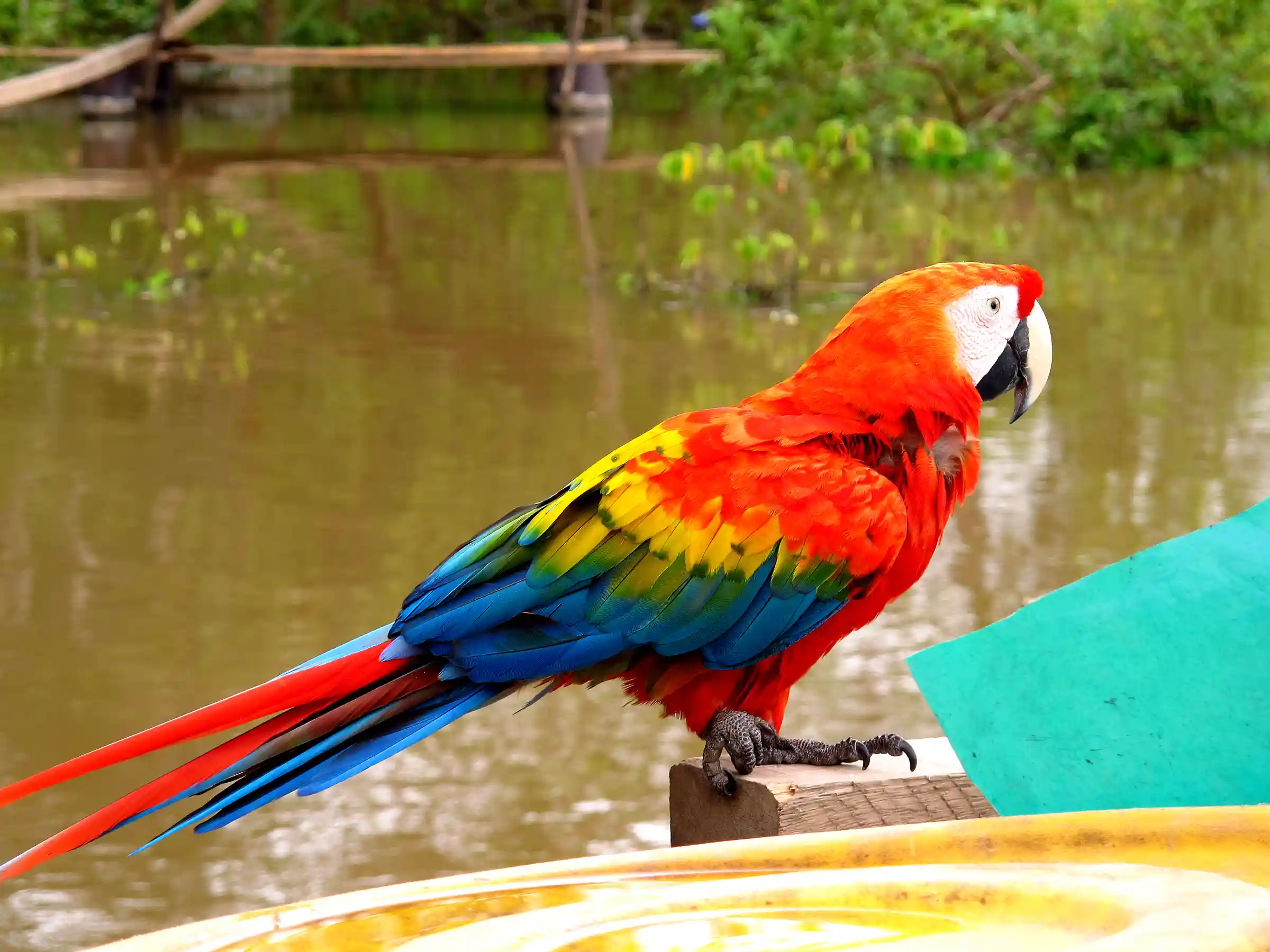
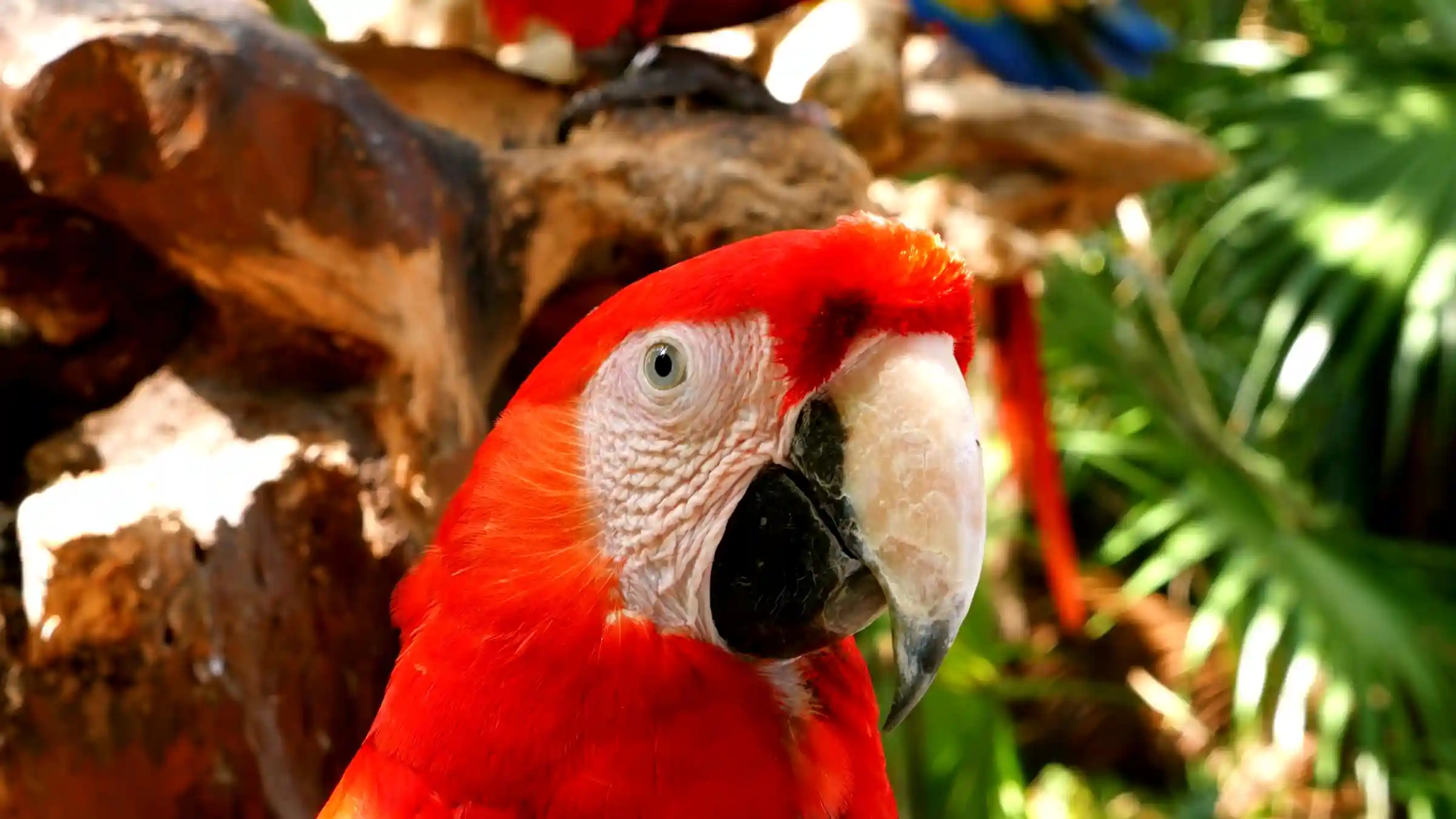
Peru’s wildlife is one of its greatest attractions — from the macaws of the Amazon to the condors of Colca Canyon to the sea lions of the Ballestas Islands. Responsible wildlife watching protects animals while ensuring the quality of your own experience.
Birdwatching
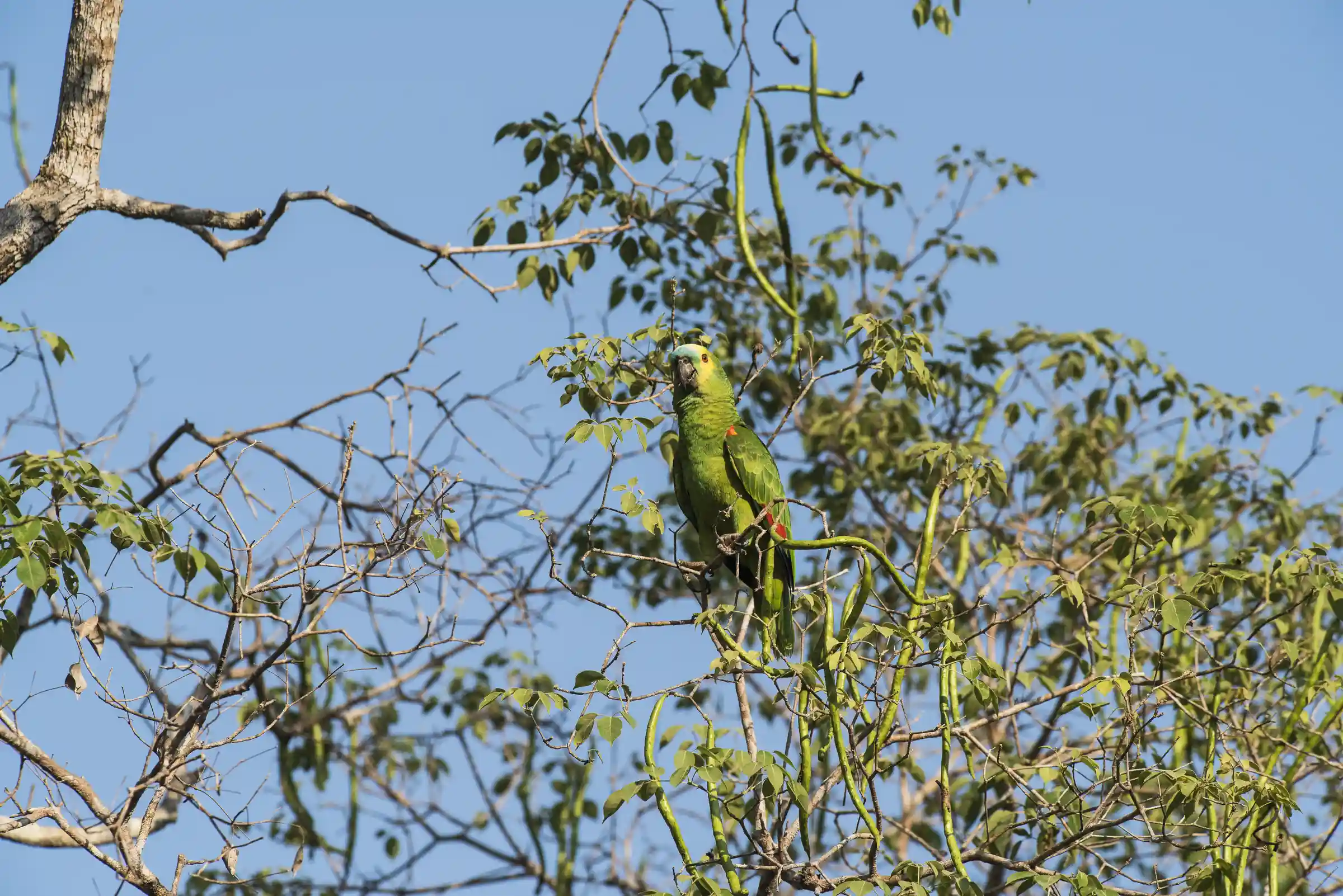
Peru is a world-class birdwatching destination with over 1,800 recorded species, including hundreds found nowhere else.
Responsible birding means maintaining a respectful distance and using binoculars rather than approaching closely. Avoid using playback recordings to attract birds at sensitive sites, particularly during nesting season — this causes genuine behavioral disruption that can affect breeding success. Hire local specialist guides who know species locations through experience rather than disturbance. Support reserves by paying entrance fees and staying in locally operated accommodation.
Mammals and Large Wildlife
Giant river otters, jaguars, tapirs, and manatees are among the Amazon’s most sought-after sightings. All are threatened by habitat loss and hunting.
Never request guides to approach too closely — for jaguars in particular, maintaining distance is critical for both safety and animal welfare. Never accept offers to handle or pose with wild animals, including “tame” animals or baby animals presented for tourist photographs. These animals are almost always captured from the wild, and the trade causes serious harm to wild populations.
Andean Condors
Andean condors at Colca Canyon and other viewing sites across the southern Andes are best observed from designated viewpoints during the natural thermal period in the morning. Do not make loud noises, throw objects, or attempt to attract condors by movement — they are already habituated to observation from a respectful distance and direct interference disrupts their behavior.
Marine Wildlife
Responsible boat tours to the Ballestas Islands and similar sites should maintain distance from sea lions, penguins, and other marine mammals. Tour operators should not chase marine mammals with their vessels or allow passengers to enter the water uninvited alongside wildlife. If you see these practices on a tour, report them to SERNANP or the regional tourism authority.
How to Choose a Responsible Tour Operator in Peru
Not all tour operators in Peru operate sustainably, and the difference can be significant — for the environment, for local communities, and for the quality of your experience.
Questions to Ask Before Booking
Does the operator employ local guides? Guides born and raised in the region carry irreplaceable knowledge and their employment keeps tourism income in the local community.
What is the group size policy? Smaller groups have lower environmental impact and allow for more meaningful cultural exchanges. For sensitive ecosystems like the Manu Biosphere Reserve, small groups are a regulatory requirement. For other destinations, they are a marker of quality.
How are porters treated and compensated? Ask specifically about wages, weight limits, equipment provision, and accident insurance. A responsible operator will answer these questions readily and specifically.
What is the waste management policy? How does the operator handle waste on multi-day treks? Are single-use plastics actively minimized at their lodges and campsites?
Does the operator contribute to conservation or community projects? The best operators have active partnerships with conservation organizations, community development programs, or cultural preservation initiatives that go beyond simply following minimum regulations.
At Machu Picchu Peru Travel, these standards apply to every partner we work with. We maintain direct, ongoing relationships with our operators, visit their operations regularly, and hold them accountable to the same principles we communicate to our clients. When you travel with us, you are not choosing sustainability despite the experience — you are choosing it because it makes the experience richer.
Peru’s Protected Areas: The Foundation of Ecotourism
Peru’s national protected areas system (SINANPE), managed by SERNANP, encompasses 76 protected units covering approximately 17 percent of Peru’s total territory.
The most significant areas for ecotourism include:
Manu National Park and Biosphere Reserve — UNESCO World Heritage Site, one of the world’s most biodiverse areas, with strictly controlled access.
Pacaya-Samiria National Reserve — Peru’s largest protected area, covering 2.1 million hectares of Amazonian wetlands.
Huascarán National Park — UNESCO World Heritage Site in the Cordillera Blanca, containing the world’s highest tropical mountain range.
Machu Picchu Historical Sanctuary — Protects not just the ruins but the surrounding cloud forest, home to the spectacled bear, the Andean cock-of-the-rock, and over 200 orchid species.
Colca Canyon and Salinas-Aguada Blanca Reserve — Home to one of the world’s best wild Andean condor viewing sites.
Why Entrance Fees Matter
Paying entrance fees honestly and completely is one of the simplest and most direct contributions a traveler can make to conservation in Peru.
Fees for national parks, reserves, and historical sites fund rangers, trail maintenance, visitor infrastructure, and the conservation programs that keep these areas protected. Entering without paying — through informal routes or by avoiding checkpoints — undermines the very funding that makes protection possible.
10 Practical Ways to Be a Responsible Traveler in Peru
These ten habits make a genuine difference, individually and collectively.
1. Unplug appliances at home before you leave. Around 10 percent of home energy in most countries is wasted through plugged-in standby appliances. Switch off before you travel.
2. Minimize your carbon footprint in-country. Walk, take public transit, and bike where possible. These options are often cheaper than taxis and provide a more authentic experience of any destination.
3. Carry reusable bags. Reduce plastic bag waste at every market, shop, and food stall.
4. Use water wisely. Carry a reusable bottle, refill from large dispensers, and conserve water in hotel rooms — especially important in drought-prone highland regions.
5. Get off the big tour bus. Large packaged tours with hundreds of travelers stretch the limits of natural resources and dilute authentic local culture. Choose smaller group experiences with local operators.
6. Learn before you go. Read about the history and ecology of the places you plan to visit. Learning a few basic words of Quechua — the language of the Andes — creates meaningful connection and shows respect.
7. Ask permission before photographing people. This is basic human dignity, but it is frequently ignored in tourist areas. Always ask. If someone says no, accept it gracefully.
8. Respect marked trails. This applies universally — in the puna, in cloud forests, in archaeological sites, and on urban trails in national parks.
9. Buy from local producers. Every sol spent with a local artisan, farmer, or restaurant owner stays in the community. Every sol spent at an international chain leaves it.
10. Tip your guide and porter team fairly. These are the people who make your experience possible, often in physically demanding conditions and for wages that depend heavily on gratuities. Research the appropriate tipping norms before your trip and honor them.
Responsible Travel: A Checklist for Your Peru Trip
Before You Leave
- Research the history, culture, and ecology of your destinations
- Pack a reusable water bottle with a filter
- Replace bottled toiletries with solid bar alternatives
- Purchase carbon offsets for your flights
- Book with operators who use local guides and have documented environmental policies
During Your Trip
- Buy food and souvenirs from local producers and cooperatives
- Stay on marked trails in all natural areas
- Ask permission before photographing people
- Tip your guide and porter team fairly
- Participate in at least one community-based cultural experience
- Carry reusable bags and refuse single-use plastic where possible
At Machu Picchu Specifically
- Stay on designated paths at all times
- Do not touch the stonework
- Bring a reusable water bottle
- Do not approach or feed the llamas
- Do not remove any material from the site
- Keep your entry ticket for re-entry
Final Thoughts: Traveling with Intention in Peru
Peru offers travelers something increasingly rare in the modern world: the chance to encounter nature and culture that are still largely intact, still vital, still capable of genuine surprise.
The condors riding thermals above Colca Canyon. The giant river otters of Tambopata. The macaw clay lick at dawn. The weavers of Taquile. The Sacred Valley farmers growing the same quinoa varieties their ancestors planted. Machu Picchu at the Sun Gate in the early morning mist.
These are not attractions. They are living systems — ecological, cultural, and spiritual — that have survived thousands of years and can continue to thrive if the pressure of modern tourism is managed thoughtfully.
Ecotourism is not about constraining your experience. It is about deepening it.
When you understand the ecosystem you are standing in, when you know the name of the farmer who grew your breakfast, when you travel with a guide whose family has walked the same forest paths for generations — you don’t experience less Peru. You experience more of it, in ways that stay with you long after the photographs fade.
At Machu Picchu Peru Travel, responsible travel is the only kind of travel we know how to do. We build itineraries that benefit the communities you visit, protect the ecosystems you pass through, and ensure that the places you fall in love with on your trip still exist for the travelers who follow.
Contact us today to start planning a Peru adventure that leaves the country better than you found it.
Planning a sustainable Peru trip? Machu Picchu Peru Travel specializes in responsible, community-centered itineraries across Peru — from Amazon ecolodges and Sacred Valley community visits to certified Inca Trail treks and wildlife watching with expert local naturalists. Contact our team today to start building your journey.





Leave a Reply