
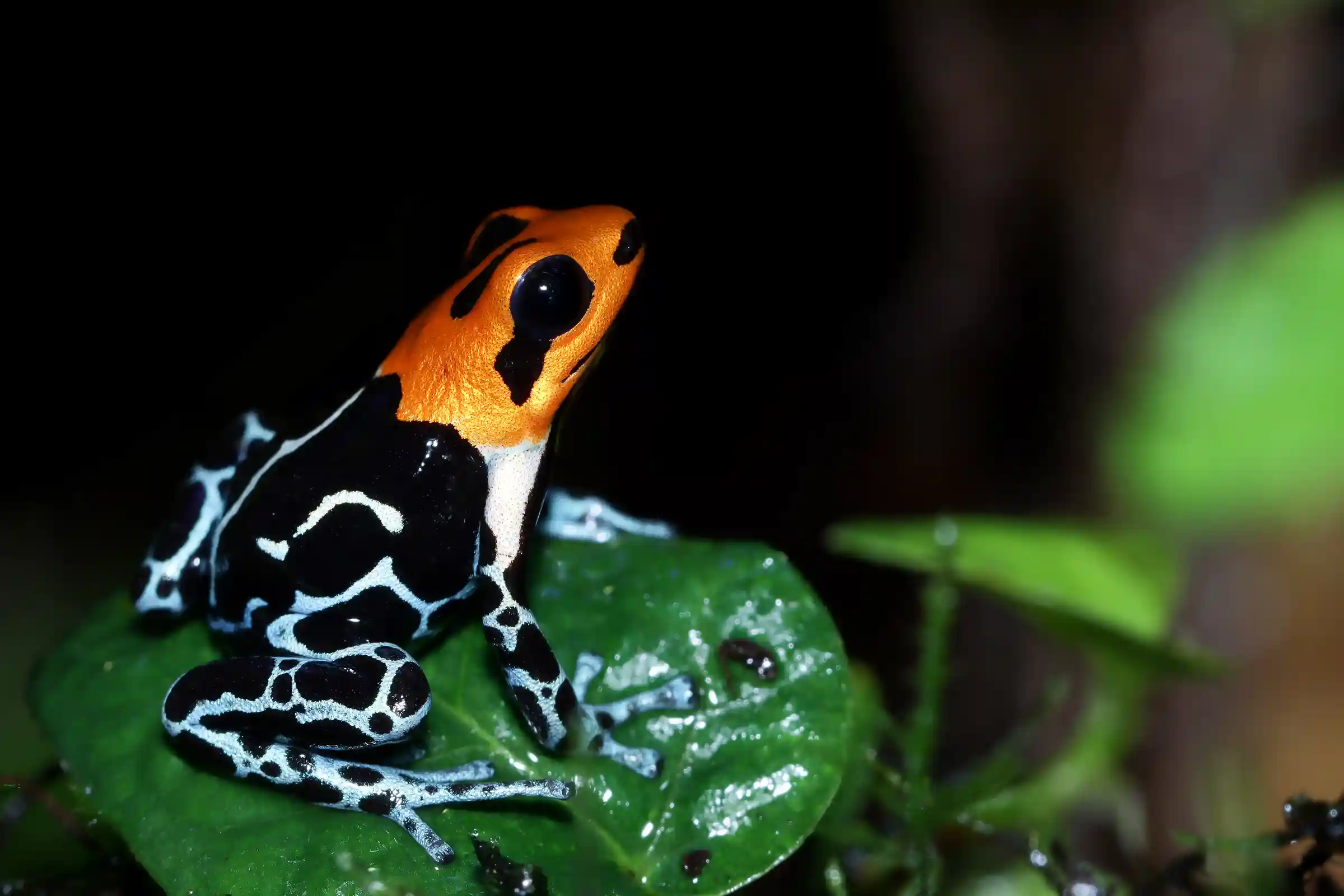
When travelers think about Peru, Machu Picchu, Cusco, the Sacred Valley, and the Andes usually come first. Far fewer realize that only a journey away from Cusco lies one of the most extraordinary protected areas in South America: Manu National Park.

Manu is not simply another place to “visit the Amazon.”
It is one of the rare places where a traveler can begin among cold Andean grasslands, descend through mysterious cloud forests, continue into warm tropical foothills, and finally reach lowland Amazon rainforest within the same journey.
This enormous change in altitude creates a succession of ecosystems that support an exceptional concentration of wildlife.
But Manu has another characteristic that is increasingly rare around the world: much of its interior remains extremely remote and largely roadless. Its isolation has helped protect large areas of forest from many of the changes experienced elsewhere in the Amazon. UNESCO describes the park as a vast watershed where the Tropical Andes meet the Amazon Basin, while official Peruvian visitor information reports that approximately 99% of its surface remains in good condition.
For travelers interested in wildlife, birdwatching, photography, conservation, Indigenous Amazonian history, or simply experiencing a landscape that still feels genuinely wild, Manu offers something very different from a conventional jungle excursion.
Where Is Manu National Park?
Manu National Park lies in southeastern Peru, between the regions of Cusco and Madre de Dios.
Its official area covers approximately 1.7 million hectares, while the larger Manu Biosphere Reserve extends across roughly 2.4 million hectares.
This distinction is important because travelers frequently see different statistics when researching Manu.
“Manu” may refer to:
- Manu National Park itself
- the larger Manu Biosphere Reserve
- the broader tourist corridor between Cusco, the cloud forest, Pilcopata, Atalaya, and the Amazon lowlands
These areas are related, but they are not exactly the same.
This is one reason why one website may mention more than 800 bird species while another may speak of nearly 1,000 species in the wider Manu region.
The Manu Biosphere Reserve contains 19 habitat types, illustrating just how environmentally diverse this relatively compact area is.
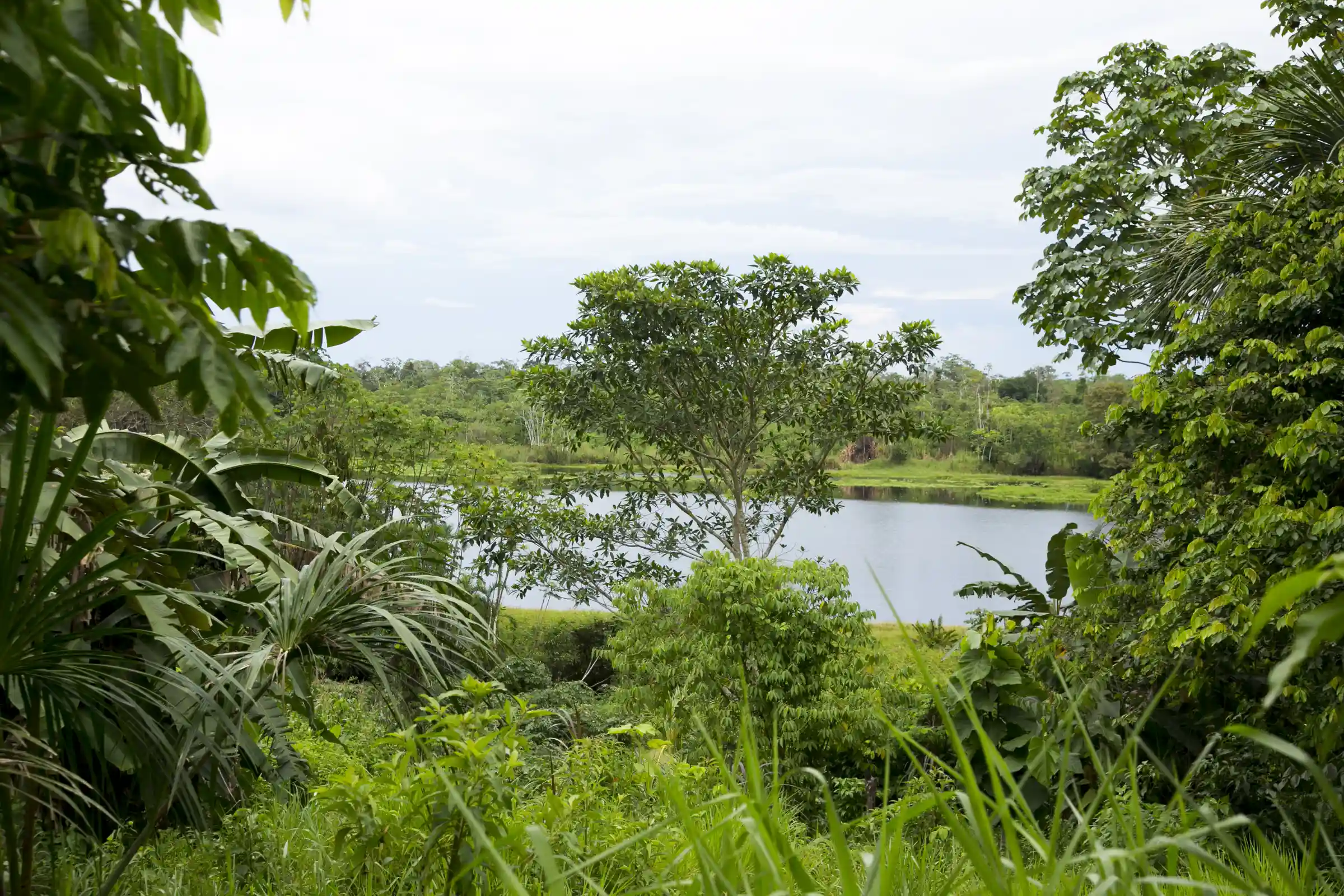
Why Is Manu So Different From Other Amazon Destinations?
Many Amazon destinations are located primarily in tropical lowland forest.
Manu is different because the journey begins much higher.
Within the broader protected landscape, elevations range from approximately 300 meters to well above 3,800 meters, depending on the sector and boundary considered. The national park itself protects an even broader ecological transition along the eastern slope of the Andes.
This means that visiting Manu is almost like visiting several natural destinations during a single expedition.
| Ecological Area | Approximate Environment | What Makes It Interesting |
|---|---|---|
| High Andes | Cold grasslands and puna | Mountain landscapes, Andean birds, possibility of spectacled bears |
| Upper Cloud Forest | Cool, humid mountain forest | Orchids, hummingbirds, mixed bird flocks |
| Lower Cloud Forest | Dense subtropical forest | Andean cock-of-the-rock, tanagers, monkeys |
| Amazon Foothills | Warmer transitional forest | Increasing diversity of tropical wildlife |
| Lowland Amazon | Tropical rainforest, rivers and oxbow lakes | Jaguars, giant otters, macaws, monkeys, caimans |
The transition itself is one of Manu’s greatest attractions.
Instead of flying directly into a lowland jungle destination, travelers can physically watch the environment change hour by hour.
Manu Protects an Entire Ecological Transition
One of the least-known facts about Manu is that its importance is not based solely on the number of animals living there.
The park protects an unusually complete connection between the Andes and the Amazon.
High mountain streams eventually become part of larger Amazonian rivers. Cloud forests give way to tropical forests. Species communities change as altitude decreases.
The Manu River watershed is protected within this enormous natural system, helping preserve ecological connections across different elevations.
For a traveler, this means that the journey itself becomes part of the wildlife experience.
You do not simply arrive at the jungle.
You watch the jungle gradually appear.
It Is One of the Best Places in Peru to Experience a Cloud Forest
The cloud forest is often overshadowed by the Amazon rainforest, yet it may be one of the most memorable sections of a Manu journey.
Cloud forests develop where humid air from the Amazon meets the eastern slopes of the Andes.
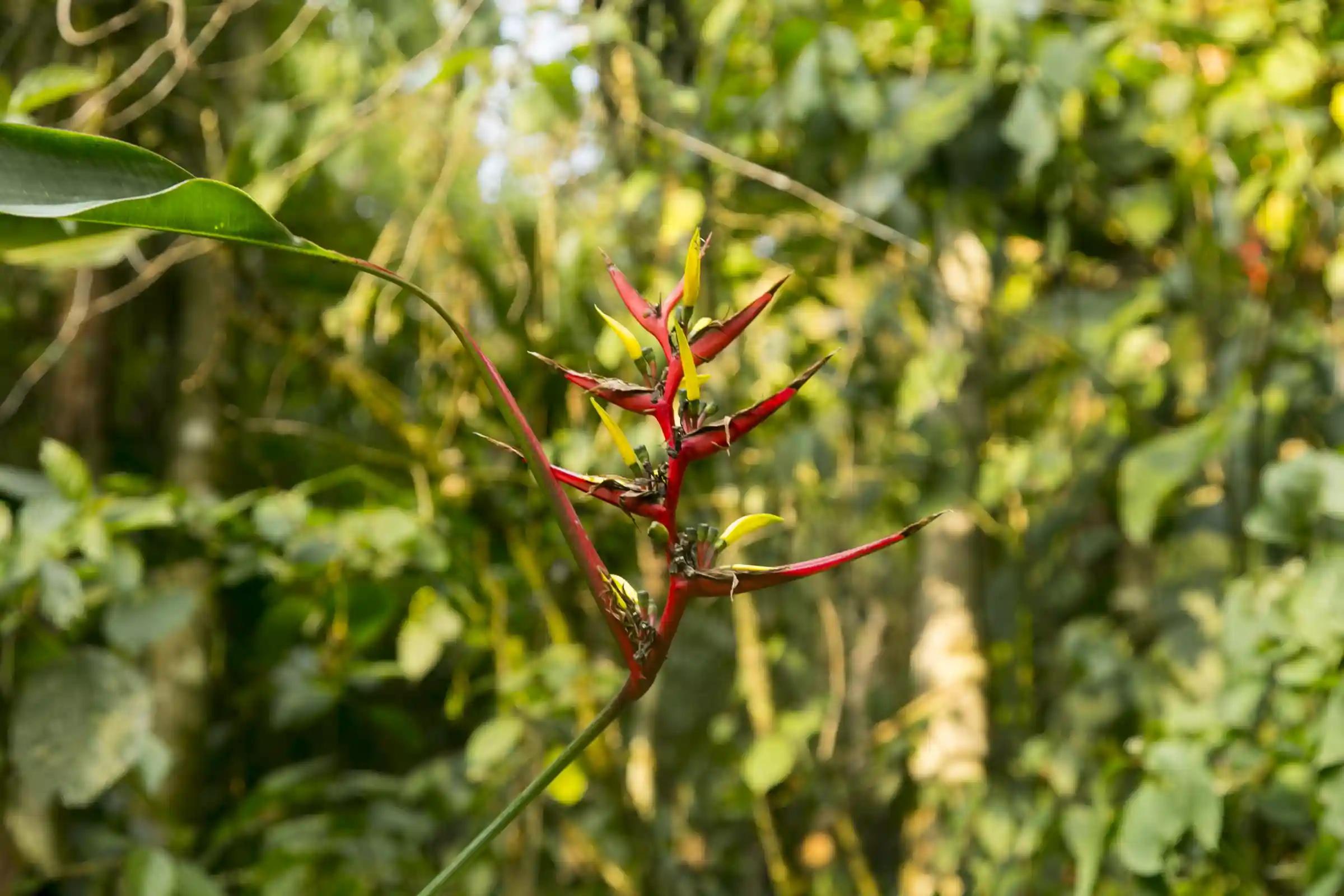
The result is an environment frequently covered in mist, with trees covered by mosses, ferns, bromeliads, vines, and orchids.
It is also home to one of Peru’s most famous birds.
Andean Cock-of-the-Rock
Scientific name: Rupicola peruvianus
The Andean cock-of-the-rock is Peru’s national bird and one of the most recognizable species found along the Manu route.
Male birds gather at traditional display areas known as leks.
During the early morning, several males may call, jump, and display their brilliant orange-red plumage in an attempt to attract females.
Visitors often imagine Amazon wildlife observation as walking through lowland jungle, but one of the most impressive wildlife experiences in Manu may actually happen while still surrounded by cool mountain forest.
Manu Is Not Only About Birds
Birdwatching is one of the main reasons naturalists travel to Manu, but the region also contains an extraordinary variety of mammals.
More than 200 mammal species have been documented in the wider Manu ecosystem, together with numerous primates and several species of wild cats.
Some of the most interesting animals include:
| Animal | Scientific Name | Where It May Be Found | Difficulty of Observation |
|---|---|---|---|
| Jaguar | Panthera onca | Lowland forest and riverbanks | Difficult but possible |
| Giant River Otter | Pteronura brasiliensis | Oxbow lakes and rivers | One of the best wildlife targets |
| Spectacled Bear | Tremarctos ornatus | Andes and cloud forest | Difficult |
| Harpy Eagle | Harpia harpyja | Mature lowland forest | Very difficult |
| Emperor Tamarin | Saguinus imperator | Amazon lowlands | Possible in suitable habitat |
| Giant Armadillo | Priodontes maximus | Tropical forest | Very rare |
| Puma | Puma concolor | Several elevations | Very difficult |
| Red Howler Monkey | Alouatta seniculus | Lowland forest | Relatively possible |
| Black Spider Monkey | Ateles chamek | Mature rainforest | Possible |
| Brown-Throated Sloth | Bradypus variegatus | Tropical forest | Possible |
Wildlife sightings are always unpredictable.
Manu is not a zoo, and that is precisely part of its attraction.
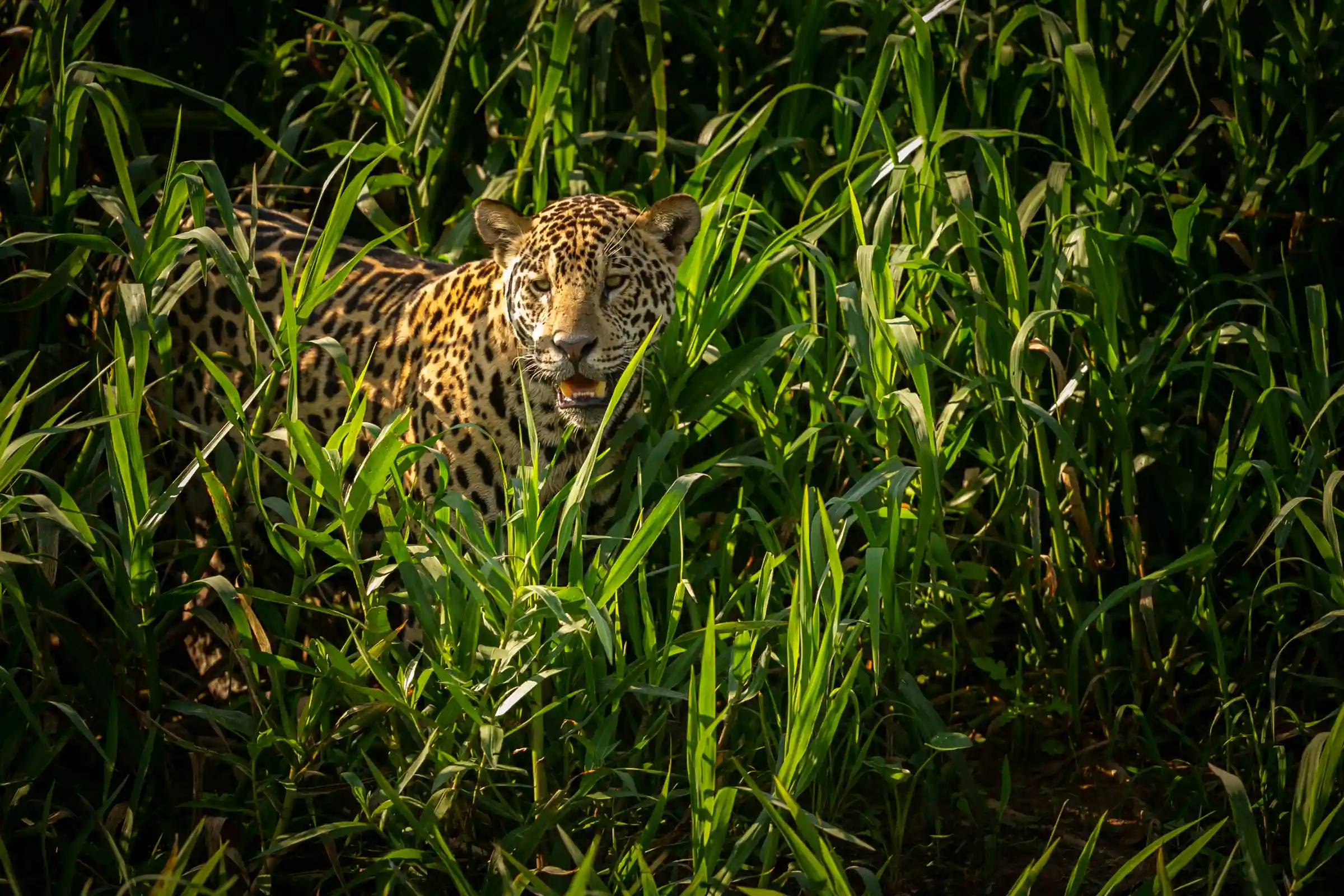
The Presence of Large Predators Tells an Important Story
Many travelers want to see a jaguar simply because it is spectacular.
Ecologically, however, its presence means something more important.
Large predators require extensive territories and healthy prey populations.
Manu still supports animals such as:
Jaguar — Panthera onca
Puma — Puma concolor
Harpy Eagle — Harpia harpyja
Together with giant otters and other large predators, these animals indicate that Manu still maintains complex food webs and large areas of relatively intact habitat.
UNESCO specifically highlights the presence of large predators in natural populations as evidence of Manu’s exceptional conservation condition.
This is something many travelers may never notice while looking at photographs of colorful birds or monkeys, but it is one of the most important reasons Manu is globally significant.
Giant Otters Are One of Manu’s Most Special Wildlife Experiences
One of the most interesting animals in Manu is the giant river otter.
Scientific name: Pteronura brasiliensis
Unlike smaller otters, giant otters live in social family groups.
They communicate using a surprising range of vocalizations and may be observed hunting fish, swimming together, resting along the shore, or interacting with other members of their family.
Oxbow lakes provide some of the best environments for observing them.
These lakes form when a bend of a river becomes separated from the main channel.
Over time, the abandoned river curve develops into a calm lake surrounded by tropical forest.
For travelers, these environments can be excellent places for observing:
- Giant river otters
- Hoatzins
- Kingfishers
- Herons
- Caimans
- Monkeys
- Waterbirds
- Turtles
The silence of an oxbow lake early in the morning can be completely different from the experience of walking through dense rainforest.
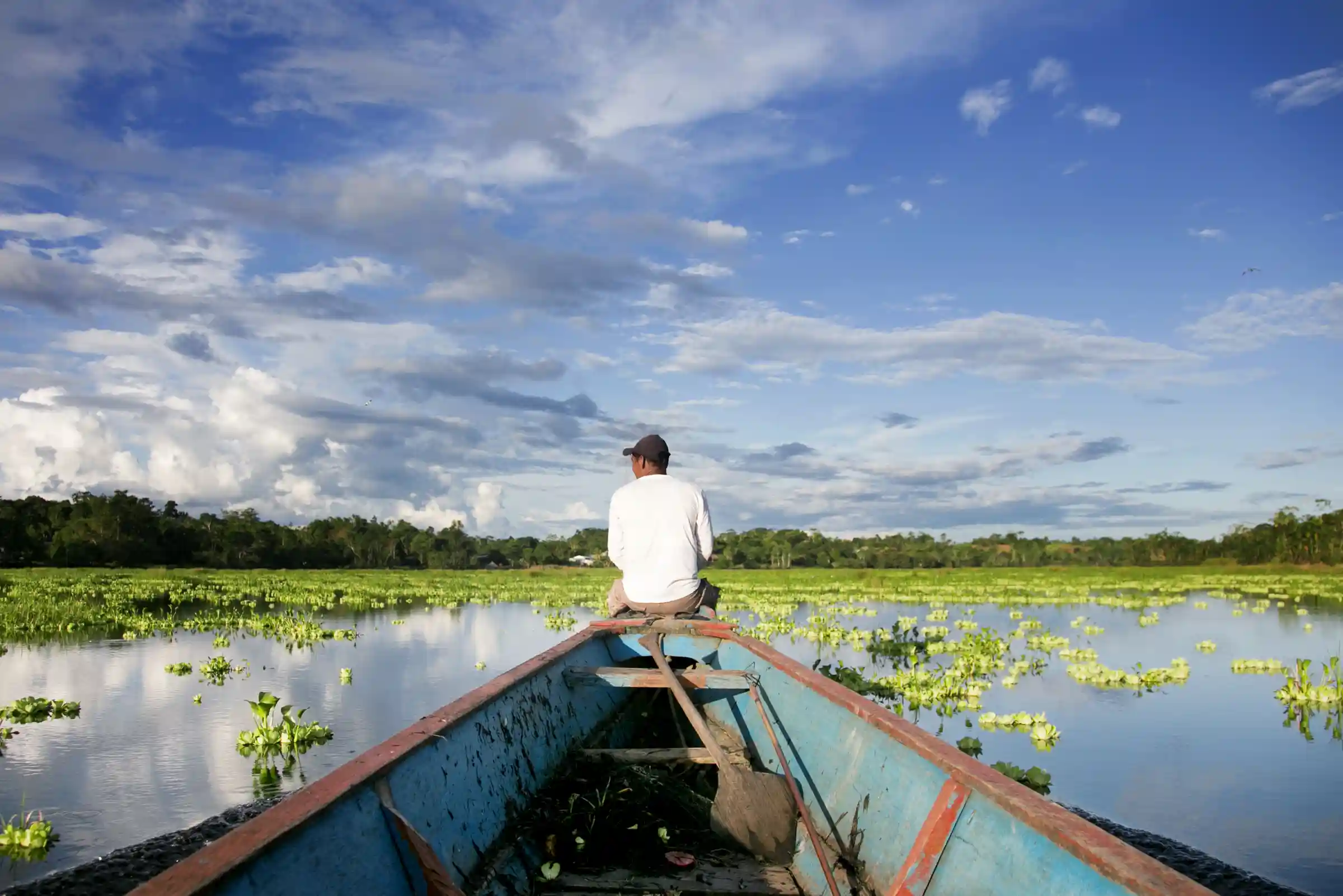
Manu’s Rivers Can Be Better Wildlife-Viewing Platforms Than Trails
Many first-time visitors imagine that most Amazon wildlife will be seen during jungle hikes.
That is not always true.
Some of the best observations in Manu may happen from a boat.
Animals frequently use riverbanks because they provide open visibility, drinking areas, mineral deposits, and access to different habitats.
During river journeys, travelers may see:
- Capybaras
- Caimans
- Macaws
- Herons
- Kingfishers
- Turtles
- Monkeys
- Large raptors
Jaguars may also occasionally be observed resting or walking along exposed riverbanks.
A boat provides another advantage: it allows travelers to quietly cover considerably greater distances than they could on foot.
Clay Licks Are Natural Wildlife Meeting Points
Another fascinating feature of the Amazon is the presence of clay licks, commonly called collpas in Peru.
These exposed mineral-rich areas attract different animals.
Some collpas are primarily visited by parrots and macaws, while others may attract mammals.
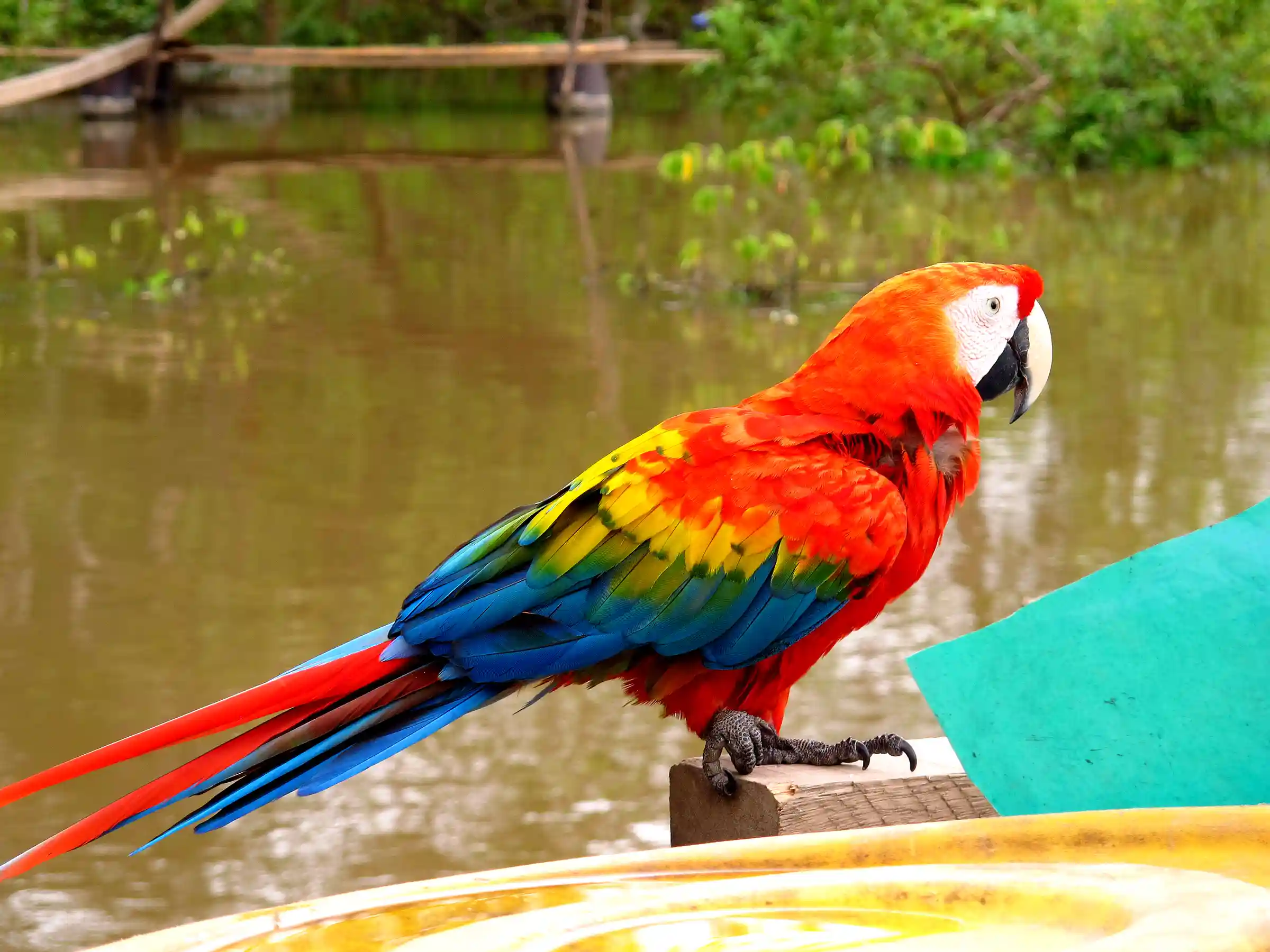
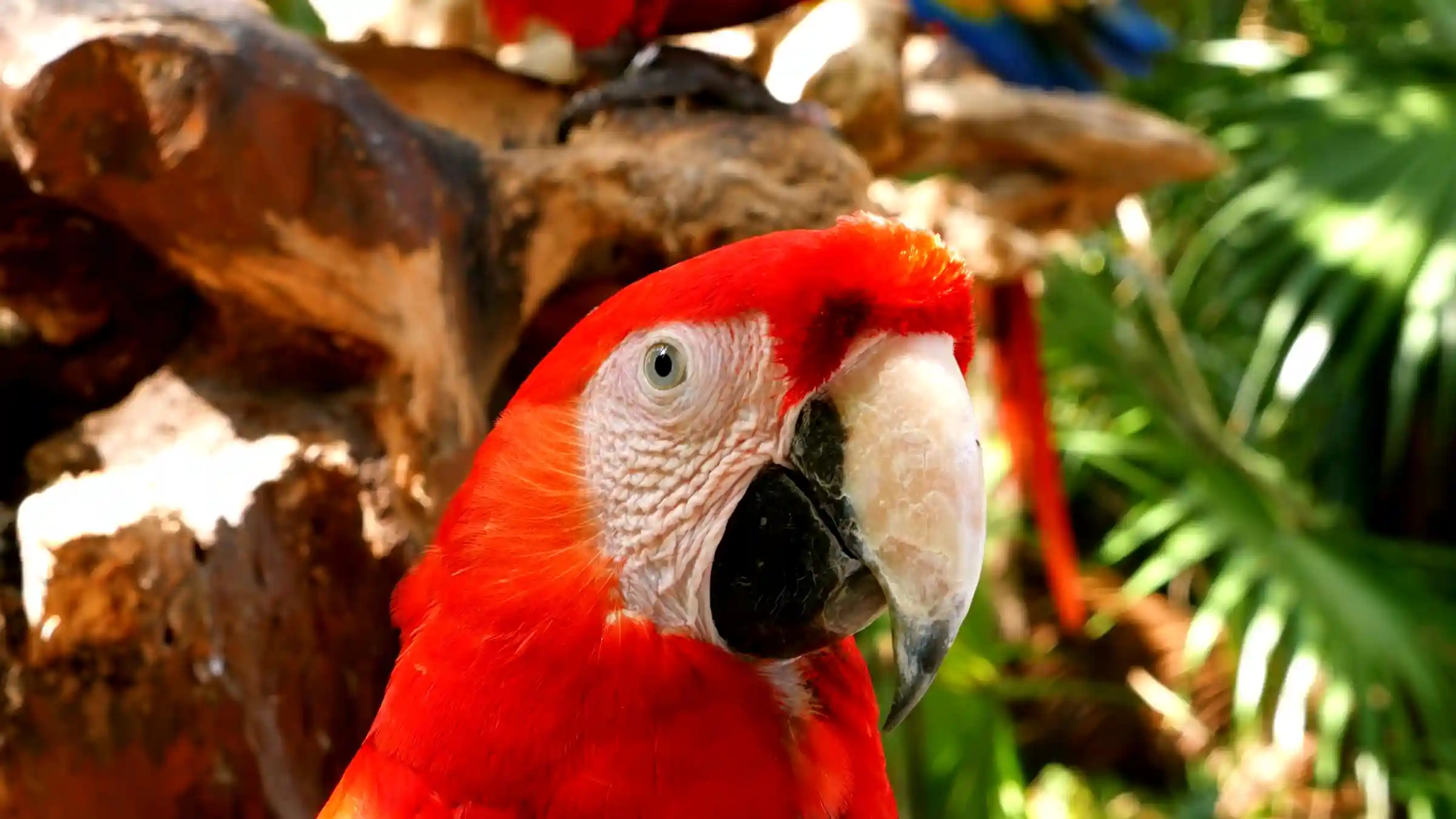
Macaws and parrots can gather early in the morning, sometimes producing one of the loudest and most colorful spectacles of an Amazon journey.
Species may include large macaws such as:
Red-and-Green Macaw — Ara chloropterus
Scarlet Macaw — Ara macao
Blue-and-Yellow Macaw — Ara ararauna
Activity changes from day to day.
Rain, predators, food availability, and weather conditions can determine whether dozens of birds appear or very few approach the clay.
One of Manu’s Greatest Attractions Happens Before You Reach the Rainforest
The Tres Cruces viewpoint is located in the high-Andean sector of Manu.
It sits close to the transition between the Andes and the Amazonian side of the mountains.
From this region, travelers can look east toward enormous layers of mountains, valleys, cloud forest, and Amazonian lowlands.
The sunrise is especially famous during the southern hemisphere winter, particularly around June and July.
Official visitor information notes that hundreds of visitors travel to this sector during this period to watch the sunrise over the cloud-covered landscape.
What makes Tres Cruces particularly unusual is the perspective.
Within the same panorama, travelers can understand the enormous vertical geography that makes Manu so biologically diverse.
Manu Also Contains Evidence of Ancient Human History
Most people associate archaeological travel in Peru with Machu Picchu, the Sacred Valley, Nazca, or northern coastal civilizations.
Far fewer know that Manu also contains important archaeological evidence.
One of the most remarkable locations is Pusharo.
The Pusharo Petroglyphs
The Pusharo Petroglyphs are located in the Palotoa River basin at approximately 500 meters above sea level.
Large rock surfaces contain engraved geometric and symbolic figures representing an important example of rock art in the Peruvian Amazon.
The journey itself crosses several ecological zones.
A route from Cusco may travel through:
Cusco → Paucartambo → Acjanaco → Cloud Forest → Pilcopata → Atalaya → Palotoa area → Pusharo
The nearby Palotoa-Teparo community participates in tourism services, including accommodation and local activities.
This combination of archaeology and rainforest is something relatively few international visitors associate with Manu.
Manu Is Also a Living Cultural Landscape
Another important fact is that Manu should not be viewed as an empty wilderness.
Indigenous peoples have lived within this wider landscape for generations.
Communities associated with the Manu Biosphere Reserve include Matsigenka, Yine, Harakmbut, Quechua, and others.
Some communities participate in tourism and conservation initiatives.
Other Indigenous peoples live in voluntary isolation or initial contact.
Their existence should never be treated as a tourist attraction.
Responsible tourism means respecting restrictions, protected territories, and the right of these populations to remain isolated.
Visitors should never attempt to seek, photograph, contact, or approach isolated Indigenous peoples.
This human dimension is one of the least discussed but most important aspects of understanding Manu.
There Is More Than One Type of Manu Trip
One of the biggest sources of confusion when travelers research Manu is the enormous difference between tours.
A four-day “Manu tour” costing several hundred dollars may not visit the same area as a longer expedition costing more than USD 1,000.
The name alone does not tell you how deep into the Manu region you will travel.
Common Types of Manu Experiences
| Type of Trip | Typical Experience | Recommended Duration | Approximate Cost |
|---|---|---|---|
| High-Andean Manu | Tres Cruces, puna, cloud forest | 1–2 days | USD 100–300+ |
| Cultural/Buffer-Zone Trip | Cloud forest, Pilcopata, Atalaya, lodges, oxbow lakes | 3–5 days | USD 330–650+ |
| Specialized Birdwatching | Slow-paced observation with bird guide | 4–6 days | USD 700–1,200+ |
| Manu River / Deeper Expedition | Longer river navigation and more remote forest | 5–7 days | USD 900–2,200+ |
| Private Wildlife Expedition | Specialized guide, smaller group, flexible schedule | 6–10+ days | USD 1,500–3,000+ |
Current 2026 market listings show why the distinction matters: some four- or five-day cultural-area programs are advertised at roughly USD 329–570, while deeper reserved-area itineraries may approach or exceed USD 1,000, and some specialized or private trips cost considerably more.
Cultural Zone vs. Deeper Manu: What Is the Difference?
Travelers frequently encounter the expression “Manu Cultural Zone.”
This can be confusing.
Many shorter tours use this name for itineraries traveling through the accessible Manu corridor, cloud forest, foothills, buffer areas, Amazon lodges, and locations around the Alto Madre de Dios.
These trips can still offer excellent wildlife.
They may include:
- Andean cock-of-the-rock observation
- Monkeys
- Parrot clay licks
- Night walks
- Oxbow lakes
- Amazon lodges
- River navigation
However, they should not automatically be confused with deeper expeditions into the Manu River sector.
The deeper journey requires more transportation time, more boat travel, and usually a larger budget.
For travelers choosing a tour, one of the most useful questions is therefore not:
“Does this tour go to Manu?”
A better question is:
“Exactly which sector of Manu does this itinerary visit?”
How Much Is the Official Manu Entrance Fee?
The protected-area entrance fee itself is relatively inexpensive compared with the complete expedition.
Current general entrance rates are approximately:
| Validity | Approximate General Entrance Fee |
|---|---|
| 1 day | S/30 |
| 2–3 days | S/60 |
| 4–30 days | S/150 |
The entrance ticket is therefore usually only a small part of the total cost.
Most of the expense of a Manu expedition comes from:
- Ground transportation
- River transportation
- Fuel
- Lodge accommodation
- Meals
- Guides
- Cooks and support staff
- Boats
- Wildlife excursions
- Logistics in remote areas
Why Does Manu Cost More Than a Typical Day Tour?
A journey into Manu involves complex logistics.
Some expeditions begin with many hours of driving from Cusco.
After reaching river ports such as Atalaya, transportation may continue by motorized boat.
Food, fuel, equipment, guides, cooks, and supplies must move with the group.
There may be no nearby supermarket, paved highway, pharmacy, or conventional hotel infrastructure.
In deeper areas, this isolation is precisely what visitors are paying to experience.
How Long Should You Stay in Manu?
The appropriate duration depends on what you want to experience.
| Duration | Best For | Main Limitation |
|---|---|---|
| 2–3 days | Cloud forest introduction | Limited time in lowland forest |
| 4 days | First Amazon experience | Still relatively fast-paced |
| 5 days | Wildlife and nature | Better balance |
| 6–7 days | More remote exploration | Higher cost |
| 8–10+ days | Birdwatchers and wildlife enthusiasts | Requires more time and budget |
For travelers whose primary goal is wildlife, five to seven days generally provides a better balance than a very short trip.
Wildlife is unpredictable.
One morning may be rainy.
A clay lick may be unusually quiet.
A jaguar may appear ten minutes after another boat has left.
Additional days create additional opportunities.
What Is the Best Time to Visit Manu National Park?
The officially recommended visiting period is generally April to November.
The main rainy season occurs approximately from December to March.
| Period | Conditions | Advantages | Considerations |
|---|---|---|---|
| April – May | Transition to dry season | Green landscapes, improving access | Some rain remains |
| June – August | Drier period | Good transportation conditions | Popular travel period |
| September – November | Warmer transition | Excellent wildlife opportunities | Rain gradually increases |
| December – March | Rainy season | Extremely lush forest | More difficult logistics |
The dry season does not mean completely dry weather.
Manu contains rainforest and cloud forest.
Rain can occur at any time.
The Rainy Season Has Its Own Advantages
Many articles simply say: “Do not visit during the rainy season.”
The reality is more complicated.
The wet season can produce:
- Extremely lush vegetation
- Active amphibians
- Numerous insects
- Flowering and fruiting plants
- Dramatic waterfalls
- Atmospheric cloud-forest landscapes
The disadvantage is logistical.
Heavy rain can affect roads, trails, and river conditions.
Therefore, the question is not whether the rainy season is “bad,” but whether the traveler is comfortable accepting greater unpredictability.
Manu Is an Excellent Destination for Night Walks
The forest changes completely after sunset.
Animals that remain hidden during daylight begin to move.
A guided night walk may reveal:
- Tree frogs
- Insects
- Spiders
- Stick insects
- Tarantulas
- Nocturnal birds
- Small mammals
- Snakes
Even when large animals do not appear, the soundscape can be remarkable.
For many visitors, a night walk becomes one of the most memorable parts of the expedition.
Birdwatchers Could Spend Weeks Here
Manu is internationally important for bird diversity.
Official UNESCO information documents more than 800 bird species, while broader inventories of the Manu region can produce even higher totals depending on the geographic boundaries used.
This distinction is worth understanding because travelers frequently encounter different numbers.
Rather than focusing on one exact figure, the important fact is the extraordinary concentration of habitats.
Within a single journey, a birdwatcher may encounter:
- High-Andean species
- Cloud-forest hummingbirds
- Tanagers
- Quetzals
- Toucans
- Antbirds
- Woodpeckers
- Raptors
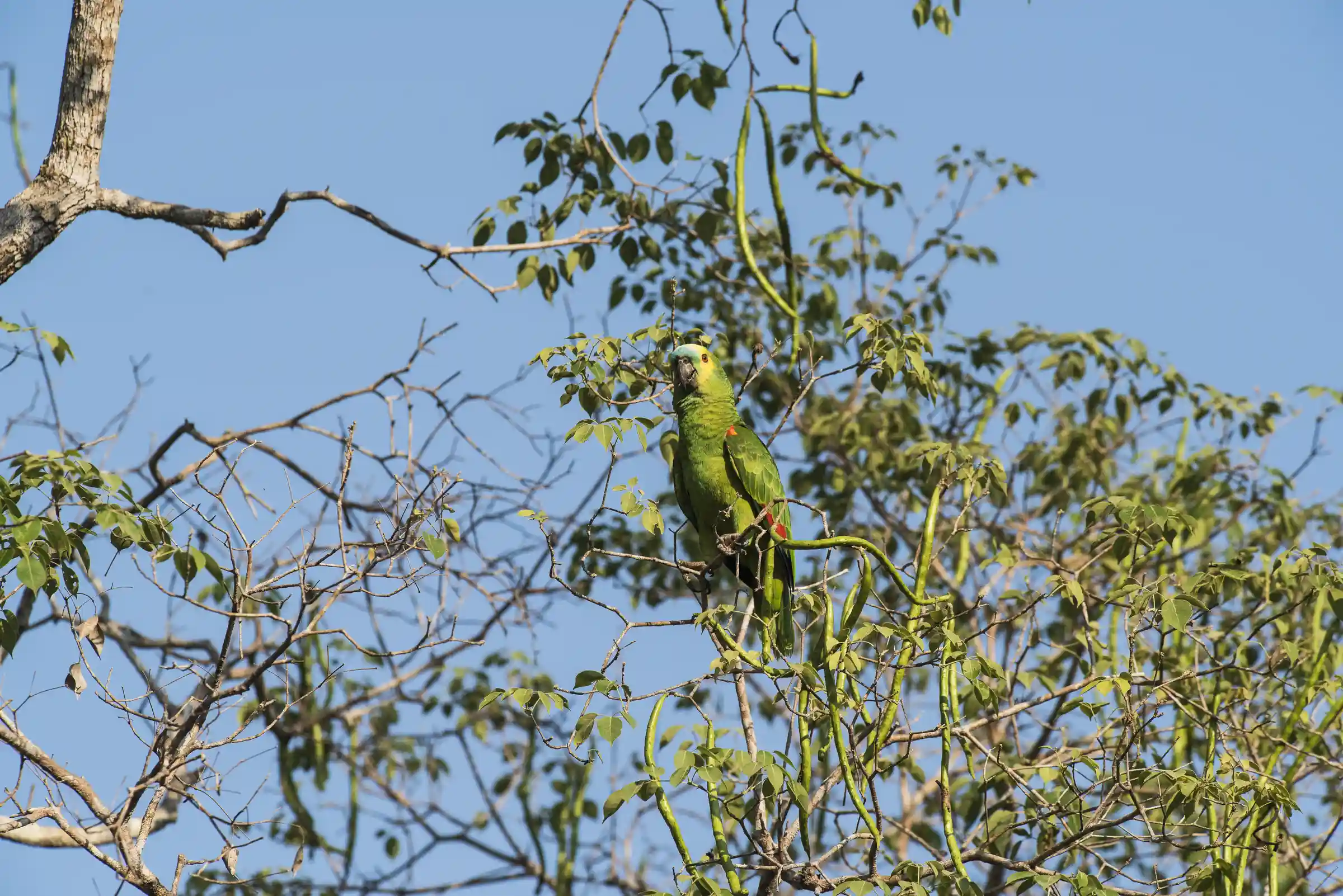
- Parrots
- Macaws
- Waterbirds
Very few destinations allow this type of ecological progression within one route.
Manu Can Be Combined Naturally With Cusco and Machu Picchu
For international travelers, one of Manu’s greatest advantages is its relationship with Cusco.
A longer Peru itinerary can follow a progression such as:
Cusco → Sacred Valley → Machu Picchu → Manu Cloud Forest → Amazon Lowlands
The contrast is extraordinary.
Within the same vacation, travelers can move between:
| Experience | Environment |
|---|---|
| Cusco | Historic Andean city |
| Sacred Valley | Agricultural valleys and Inca archaeology |
| Machu Picchu | Archaeology and montane forest |
| Manu Cloud Forest | Biodiversity and birdwatching |
| Amazon Lowlands | Tropical rainforest and wildlife |
Rather than treating the Amazon as a completely separate trip, Manu can become a natural continuation of an exploration of southern Peru.
What Should You Bring to Manu?
Packing should consider both mountains and tropical rainforest because temperatures can change dramatically during the journey.
| Item | Why It Is Important |
|---|---|
| Lightweight long-sleeved clothing | Sun and insect protection |
| Warm layer | Cloud forest and high-Andean mornings |
| Waterproof jacket or poncho | Rain is possible year-round |
| Hiking shoes | Muddy and uneven trails |
| Sandals | Lodge use |
| Insect repellent | Essential in lower elevations |
| Sunscreen | Strong UV exposure |
| Hat | Sun protection |
| Binoculars | Wildlife and birdwatching |
| Headlamp | Night walks and early departures |
| Extra batteries | Limited charging opportunities |
| Power bank | Useful in remote lodges |
| Dry bag | Protect electronics |
| Reusable water bottle | Hydration and plastic reduction |
| Camera with telephoto lens | Wildlife photography |
Travelers heading into deeper sectors should also discuss health preparation, insurance, vaccination recommendations, and emergency logistics with their operator before traveling. Official visitor guidance specifically advises yellow-fever vaccination for certain Manu River and Pusharo routes.
Manu Is Not the Right Destination for Every Traveler
Manu can be extraordinary, but travelers should understand what the experience involves.
It may include:
- Long road journeys
- Early mornings
- Humidity
- Insects
- Mud
- Basic accommodation
- Long boat rides
- Limited phone signal
- Limited internet
- Unpredictable wildlife
- Sudden rain
Someone looking primarily for a luxury resort with easy transportation may prefer another Amazon destination.
Someone who considers the journey itself part of the adventure may find Manu unforgettable.
Manu vs. Tambopata: Which One Should You Choose?
Both are excellent Amazon destinations, but they offer different experiences.
| Feature | Manu | Tambopata |
|---|---|---|
| Typical starting point | Cusco | Puerto Maldonado |
| Ecosystems | Andes, cloud forest and Amazon | Primarily lowland Amazon |
| Accessibility | More demanding | Easier |
| Travel time | Longer | Shorter |
| Ideal trip length | 4–7+ days | 3–5 days |
| Birdwatching diversity | Exceptional | Excellent |
| Macaw clay licks | Yes | Particularly famous |
| Cloud forest | Major attraction | No |
| Andean Cock-of-the-Rock | Major attraction | Not a typical target |
| Remote feeling | Very high in deeper sectors | High |
| Best for first short Amazon trip | Possible | Often easier |
| Best for ecological diversity | Exceptional | Excellent |
| Best for slow wildlife exploration | Excellent | Excellent |
Tambopata may be more practical for travelers with limited time.
Manu becomes especially rewarding for travelers interested in the transition between the Andes and Amazon, rather than simply reaching lowland rainforest as quickly as possible.
Lesser-Known Reasons to Visit Manu
Travelers often arrive wanting to see monkeys and macaws.
They leave remembering completely different things.
Perhaps it is watching clouds move through a mountain forest at sunrise.
Perhaps it is hearing howler monkeys before dawn.
Perhaps it is drifting quietly across an oxbow lake.
Perhaps it is realizing that hundreds of kilometers of forest still exist beyond the visible riverbank.
Perhaps it is discovering ancient petroglyphs deep within a landscape usually described only in terms of wildlife.
Or perhaps it is simply experiencing several hours without traffic, advertisements, buildings, or constant phone notifications.
Manu’s greatest attraction may ultimately be something difficult to measure:
scale, silence, isolation, and ecological continuity.
Frequently Asked Questions About Visiting Manu National Park
Is Manu National Park Worth Visiting?
For travelers interested in wildlife, birdwatching, photography, conservation, remote landscapes, and the Amazon, Manu can be one of the most rewarding destinations in Peru.
It is particularly valuable for travelers who prefer immersive nature experiences rather than short sightseeing stops.
Can I Visit Manu From Cusco?
Yes.
Cusco is one of the principal starting points for Manu expeditions.
The journey commonly passes through Paucartambo, the high Andes, cloud forest, Pilcopata, and Atalaya before continuing by river depending on the itinerary.
Can I Visit Manu in Three Days?
Yes, but shorter trips usually focus on the more accessible sectors.
Travelers wanting deeper exploration should consider five days or more.
Can I See Jaguars in Manu?
Jaguars live in Manu and sightings occur, particularly along rivers and in lowland forest.
However, they are wild and elusive animals.
No responsible operator should guarantee a jaguar sighting.
Can I See Giant Otters?
Yes.
Giant river otters inhabit several aquatic environments within the Manu ecosystem and are one of the region’s most important wildlife species.
Sightings still depend on natural conditions.
Is Manu Good for Birdwatching?
Yes.
The combination of high Andes, cloud forest, foothills, and lowland Amazon makes Manu one of the most important birdwatching landscapes in South America.
Do I Need an Authorized Tour Operator?
Access requirements depend on the sector.
Official visitor rules require authorized operators for key tourism areas such as the Manu River and Pusharo routes, while the High-Andean sector has different access conditions. Travelers should always verify the exact sector included in their itinerary.
Is Manu Suitable for Children?
It can be, particularly in shorter and more accessible programs.
However, long road transfers, heat, insects, boat journeys, and early departures should be considered when traveling with young children.
Is Manu Dangerous?
Normal Amazon travel involves environmental risks including insects, heat, slippery trails, rivers, and remote locations.
Traveling with experienced guides, authorized operators, proper equipment, health preparation, and travel insurance greatly improves safety.
Will I Have Internet in Manu?
Connectivity becomes increasingly limited as travelers move deeper into the region.
Some lodges may offer intermittent internet or electricity, while remote locations may have little or no signal.
For many travelers, this becomes part of the experience.
Why Visit Manu National Park?
Manu should not be viewed simply as another destination to add to a Peru itinerary.
Its importance comes from the fact that several worlds remain connected within the same protected landscape.
Cold Andean grasslands descend into cloud forest.
Cloud forest becomes tropical foothills.
Mountain streams become Amazonian rivers.
Macaws gather at mineral-rich clay.
Giant otters move through quiet oxbow lakes.
Jaguars still roam forests large enough to support them.
Ancient rock engravings remind visitors that humans have interacted with this landscape for centuries.
Indigenous communities continue to form part of the wider Manu region, while other peoples live in voluntary isolation and require strict respect and protection.
For travelers coming from Cusco and Machu Picchu, Manu also reveals a completely different side of Peru.
The country is not only ancient stone cities and high mountains.
Beyond the eastern Andes begins one of the richest tropical ecosystems on Earth.
And perhaps the strongest reason to visit Manu is also the simplest:
it remains a place where nature still operates on a scale much larger than the traveler.





Leave a Reply