

If you are planning to hike the Inca Trail to Machu Picchu in 2027, choosing the right month can make a significant difference to your experience.
The Inca Trail crosses high mountain passes, cloud forest, archaeological sites and rapidly changing ecological zones before reaching Machu Picchu through Intipunku, the famous Sun Gate. Because of this dramatic geography, conditions can vary considerably throughout the year.
Some months offer clearer skies but colder nights. Others provide greener landscapes and fewer travelers but a greater chance of rain.

So, what is the best month to hike the Inca Trail in 2027?
For most travelers, May is arguably the best overall month to hike the Inca Trail.
May normally offers a particularly attractive combination of:
- increasingly dry weather;
- green landscapes left by the rainy season;
- good visibility;
- relatively comfortable daytime temperatures;
- fewer crowds than the busiest weeks of June and July;
- and generally favorable trekking conditions.
However, May is not automatically the best month for everyone.
If your priority is minimizing rainfall, June or July may suit you better. If you want a balance between good weather and somewhat lower demand, September can be an excellent choice. And if you enjoy greener landscapes and are prepared for occasional rain, April may be surprisingly rewarding.
This guide compares every month of the 2027 Inca Trail season so you can decide which period best matches your travel style.
Quick Answer: Best Months for the Inca Trail in 2027
| Month | Overall Rating | Weather | Crowds | Main Advantage |
|---|---|---|---|---|
| January | Fair | Wet | Moderate | Very green landscapes |
| February | Closed | Rainy season | — | Annual conservation period |
| March | Good | Wet to improving | Lower | Lush scenery |
| April | Very Good | Transition to dry season | Moderate | Green landscapes + improving weather |
| May | Excellent | Mostly dry | Moderate–High | Best overall balance |
| June | Excellent | Dry | High | Excellent visibility |
| July | Excellent | Very dry | Very High | Stable trekking weather |
| August | Excellent | Dry | High | Reliable conditions |
| September | Excellent | Mostly dry | Moderate | Great weather-to-crowd balance |
| October | Very Good | Transitional | Moderate | Good shoulder-season option |
| November | Good | Increasing rain | Lower | Fewer travelers |
| December | Fair | Rainy | Moderate | Green scenery |
This table should be viewed as a planning guide rather than a weather guarantee.
The Andes have highly variable mountain weather, and rain can occur during the dry season just as sunny periods can occur during the wetter months.

Best Overall Month: May 2027
If you want one simple recommendation, choose May 2027.
By May, the heaviest part of the rainy season has generally passed, but the mountains and valleys can still retain the intense green colors created by the previous months of rainfall.
This produces a combination that photographers and hikers particularly appreciate.
The trail tends to be:
- greener than it is later in the dry season;
- considerably drier than in January or March;
- less dusty than during parts of July and August;
- and slightly less dominated by peak-season vacation traffic.
May also provides a useful balance between daytime hiking conditions and nighttime temperatures.
It can still become cold at higher camps, particularly around Dead Woman’s Pass, but the coldest dry-season nights are more commonly associated with the middle of the Andean winter.
For first-time visitors who want the classic Inca Trail experience without deliberately choosing the busiest travel period, May is difficult to beat.

Is June 2027 a Good Month for the Inca Trail?
Yes. June is one of the best months for hiking the Inca Trail.
It falls within the main dry season in the Cusco region, meaning hikers generally have a better chance of experiencing:
- clear mountain views;
- dry sections of trail;
- lower rainfall probability;
- excellent conditions for photography;
- and dramatic views across the Andes.
But June also brings two important considerations.
June Is a Popular Month
June is one of the most active months in Cusco.
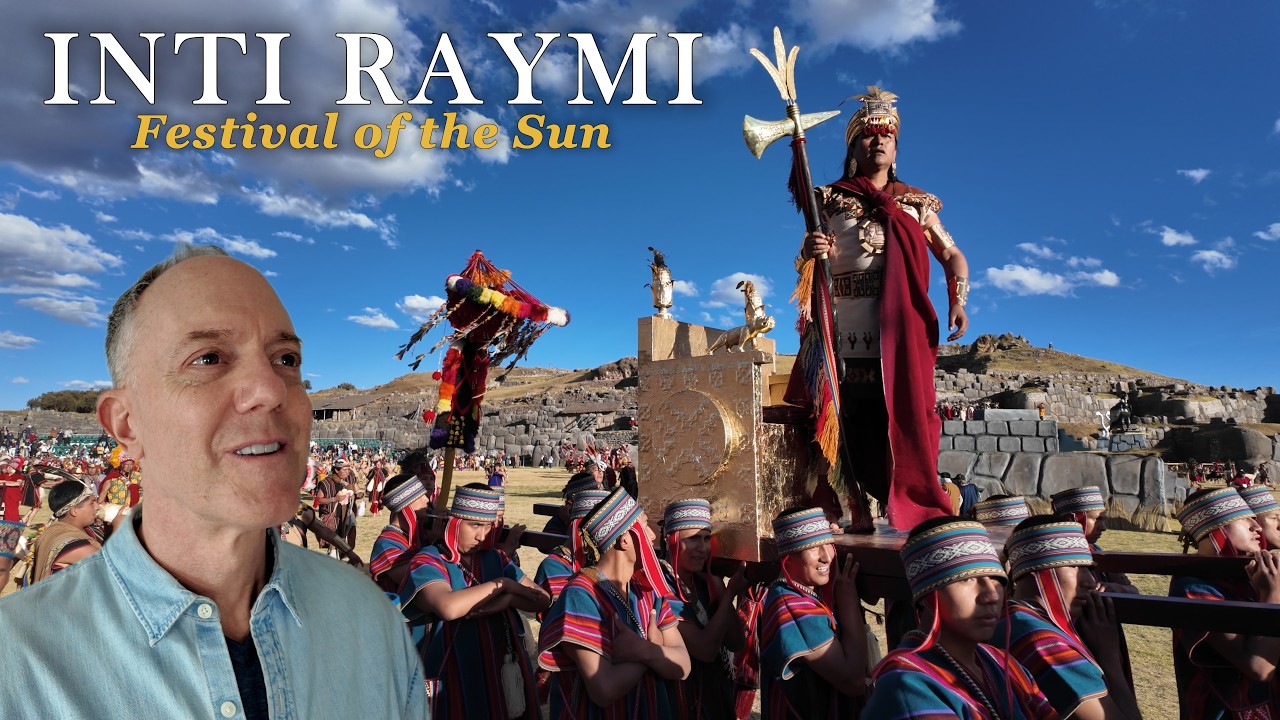
The city celebrates major cultural events during this period, culminating in Inti Raymi on June 24.
This makes June particularly attractive to international travelers who want to combine the Inca Trail with Cusco’s festivities.
The disadvantage is demand.
Hotels, transportation, tours and Inca Trail departures can become highly sought after.
If you are planning to hike in June 2027, do not treat the trek as something you can organize after arriving in Peru.
Nights Can Be Cold
Dry weather in the Andes often means clearer nights, which can result in significant temperature drops after sunset.
Good thermal layers and an appropriately rated sleeping bag become especially important at higher camps.
For travelers who prioritize dry weather above everything else, however, June remains an outstanding choice.

Hiking the Inca Trail in July 2027
July offers some of the most consistently dry conditions of the year.
If your biggest concern is hiking through prolonged rainfall, July is one of the strongest options.
Expect the possibility of:
- bright sunny days;
- strong ultraviolet exposure;
- clear mountain panoramas;
- dry stone pathways;
- and very cold mornings or nights at elevation.
July’s main disadvantage is popularity.
It overlaps with holiday periods in several countries and with Peru’s own Independence Day celebrations toward the end of the month.
The trail itself has controlled capacity, so it never functions like an unrestricted hiking route. However, demand for permits can still be extremely high.
Cusco, the Sacred Valley, Machu Picchu and transportation services can also feel considerably busier.
Choose July if reliable dry-season conditions matter more to you than avoiding peak travel demand.
Is August 2027 Good for the Inca Trail?
August is another excellent trekking month.
Conditions often remain dry, trails are generally easier to walk than during wet-season periods, and mountain visibility can be excellent.
August is especially suitable for travelers combining Peru with longer international summer vacations.
However, similar to June and July, availability can become a problem if you wait too long.
The landscape may also appear somewhat drier than it does in April or May.
That does not make the scenery less impressive—it simply creates a different visual experience.
If you imagine the Andes with golden grasses, blue skies and dramatic mountains rather than intensely green slopes, August can be ideal.

September 2027: One of the Most Underrated Choices
September is arguably the strongest alternative to May.
The month normally remains within the favorable part of the trekking season, but demand can begin to ease after the international summer holiday period.
This gives September several advantages:
- generally favorable hiking weather;
- potentially fewer travelers in the wider Cusco region;
- slightly warmer conditions than the coldest winter weeks;
- good mountain visibility;
- and an excellent balance between weather and demand.
Occasional rain can become more likely as the month progresses, but conditions are still usually attractive for trekking.
For couples, independent travelers and adults who are not restricted by school vacation calendars, September 2027 deserves serious consideration.
May vs. September: Which Is Better?
These are probably the two months we would recommend most strongly to travelers seeking balance.
Choose May if:
- you want greener landscapes;
- you like photography;
- you want to travel soon after the rainy season;
- you prefer cooler but not necessarily peak-winter conditions;
- you want strong hiking weather without automatically choosing July.
Choose September if:
- you want dry-season conditions;
- you prefer traveling after the busiest mid-year period;
- you want slightly warmer nights;
- you have flexible international travel dates;
- you want a strong combination of weather and availability.
Neither month is objectively superior.
May tends to win for scenery.
September tends to win for overall balance after peak season.

April 2027: Best for Green Landscapes
April marks an important transition in the Cusco region.
The rainy season is ending and the drier period is beginning.
For hikers, that creates an interesting opportunity.
The vegetation can remain extremely green, streams may carry more water, and cloud-forest sections can feel particularly lush.
You may still experience showers, muddy areas or periods of cloud, especially earlier in the month.
But compared with January or March, conditions usually begin improving significantly.
April is particularly attractive for travelers who care more about scenery and atmosphere than guaranteeing the driest possible trail.
It can also be a good option for photographers.
October 2027: Another Strong Shoulder-Season Option
October sits on the opposite side of the dry season.
Conditions usually remain suitable for hiking, particularly during the earlier part of the month, while the probability of rainfall gradually increases as the region moves toward the wetter season.
October has several advantages:
- generally manageable trail conditions;
- fewer peak-season travelers;
- warmer nights than June or July;
- and potentially more flexible travel planning.
The landscape may initially be relatively dry following several months with limited rainfall.
As precipitation begins returning, vegetation gradually becomes greener.
October works particularly well for travelers who value fewer crowds more than perfectly predictable weather.
March 2027: Should You Hike Just After the Trail Reopens?
March can be beautiful, but it requires more flexibility.
The Inca Trail traditionally reopens after its February conservation period, making March the first month of the new trekking season.
Because it follows the heart of the rainy season, hikers can encounter:
- wet stone steps;
- muddy sections;
- clouds;
- intermittent heavy rain;
- waterfalls and streams with higher flow;
- and extremely green vegetation.
The advantage is atmosphere.
The mountains can look spectacularly lush, and the trail may feel very different from the drier landscapes experienced in August.
However, travelers uncomfortable with hiking for several hours in rain should consider April or May instead.
March is best for adventurous travelers who understand that changing weather is part of the experience.
Can You Hike the Inca Trail in February 2027?
You should not plan a standard Inca Trail trek for February.
The regulated Inca Trail network traditionally closes throughout February for annual conservation, maintenance and ecological recovery.
During this period, authorities and conservation teams can work on stone pathways, archaeological structures, campsites, drainage systems and other infrastructure without normal visitor traffic.
Travelers visiting Peru in February can still consider alternative ways of reaching Machu Picchu, depending on current operating conditions.
However, if walking the Classic Inca Trail itself is essential to your trip, plan for another month.
Because rules can be updated, travelers planning February 2027 should always confirm the final government operating calendar when it is officially published.
January 2027: Possible but Very Wet
January falls within the main rainy season.
The Inca Trail can normally operate, but hikers should expect significantly more variable conditions.
Rain may occur during the day or overnight, and sections of stone pathway can become slippery.
Cloud cover can sometimes obscure mountain views temporarily.
On the positive side, the landscapes are intensely green.
January can appeal to travelers who:
- dislike peak-season travel;
- enjoy dramatic clouds and atmospheric landscapes;
- do not mind rain;
- own reliable waterproof equipment;
- and value greenery more than clear skies.
It is less suitable for travelers who consider rain a major inconvenience.
November 2027: Quieter but Wetter
November represents the transition into the main rainy season.
You can still encounter beautiful sunny periods, but precipitation usually becomes increasingly common.
The advantages are generally lower tourism demand and warmer nighttime temperatures compared with mid-year.
November can be an attractive option for flexible travelers who accept the possibility of rain in exchange for fewer visitors in Cusco and on surrounding tourist routes.
Waterproof equipment becomes increasingly important.
December 2027: Inca Trail During the Christmas Season
December can be an interesting time to travel because Cusco develops a special atmosphere around Christmas and New Year.
However, the month is part of the rainy season.
You should prepare for:
- rain showers;
- cloud cover;
- muddy trail sections;
- high humidity in cloud-forest areas;
- and rapidly changing conditions.
The advantage is that the landscape becomes green again.
Travelers combining the Inca Trail with Christmas celebrations in Cusco can still have an excellent experience, provided they pack for wet conditions and keep realistic expectations about the weather.
Dry Season vs. Rainy Season on the Inca Trail
Understanding Cusco’s two broad climatic periods makes choosing a month much easier.
Dry Season
The drier part of the year generally extends approximately from April through October.
These are usually considered the most favorable months for trekking.
Benefits include:
- reduced rainfall;
- clearer skies;
- easier trail conditions;
- better long-distance visibility.
The trade-off is colder nighttime temperatures, particularly around June and July.
Rainy Season
The wetter period generally extends from approximately November through March.
Conditions are greener but less predictable.
Advantages include:
- lush vegetation;
- dramatic clouds;
- waterfalls with more water;
- fewer tourists during some periods.
Disadvantages include:
- slippery stone steps;
- mud;
- rain;
- reduced visibility during cloudy periods.
Neither period guarantees specific weather.
The Inca Trail crosses multiple ecosystems and elevations, so even a single day can include sunshine, clouds, wind and rain.
Which Month Has the Least Rain?
June and July are usually among the driest months in the Cusco region.
August can also be very dry.
If minimizing rainfall is your number-one priority, consider:
June → July → August
But remember that “dry season” does not mean “no rain.”
You are still hiking in the Andes and through cloud-forest environments.
A lightweight waterproof shell should therefore remain in your daypack regardless of the month.
Which Month Has the Greenest Scenery?
For lush scenery, look toward the end of the rainy season and beginning of the dry season.
The strongest options are normally:
March → April → May
March is generally the wettest of the three.
April provides a good transition.
May often preserves much of the greenery while offering much better chances of dry weather.
This is another reason we rank May so highly.
Which Month Is Best for Photography?
For most photographers, we would choose May.
You get a particularly valuable combination:
- green vegetation;
- clearer skies;
- relatively good visibility;
- cloud formations around the mountains;
- and better trekking conditions than during the heart of the rainy season.
June and July are also excellent if your priority is clear panoramic landscapes.
March and April may appeal more to photographers looking for misty forests, dramatic clouds and atmospheric mountain scenes.
Which Month Is Best for Fewer Crowds?
For generally lower tourism demand, consider:
- March;
- April;
- October;
- November;
- January.
However, choosing a quieter month comes with a weather trade-off.
The Inca Trail itself has regulated capacity, so crowd levels work differently from unrestricted tourist attractions.
A bigger difference may be noticed in hotels, restaurants, trains, Cusco, the Sacred Valley and Machu Picchu.
If you want reasonably good weather without choosing the busiest period, September or October can be particularly attractive.
Which Month Is Best for Families?
For families traveling with teenagers or active older children, May, June, July and August provide some of the most favorable trekking conditions.
However, families restricted by school vacations frequently target June through August, increasing booking competition.
If your family’s schedule permits travel in May, it may provide an excellent alternative.
Regardless of month, the Classic Inca Trail remains a demanding high-altitude trek and should not be treated as an easy family walk.
Physical condition, previous hiking experience and altitude adaptation matter considerably.
Which Month Is Best for Older Travelers?
Age alone does not determine whether someone can complete the Inca Trail.
Fitness, cardiovascular condition, trekking experience and altitude response matter much more.
However, older travelers who prefer avoiding slippery wet-season trails may find May through September easier from a trail-condition perspective.
May and September are particularly attractive because they avoid some of the coldest mid-winter conditions.
Travelers with medical concerns should discuss high-altitude trekking with a qualified healthcare professional before traveling.
The Importance of Altitude Regardless of Month
Weather is only one part of the Inca Trail challenge.
The Classic route reaches approximately 4,200 meters above sea level at Dead Woman’s Pass.
At that altitude, even experienced hikers may feel significantly slower than they do at home.
The most important preparation strategy is allowing your body time to acclimatize.
Ideally, spend at least a couple of days in the Cusco region before starting the trek.
Many travelers combine:
- Cusco;
- the Sacred Valley;
- short archaeological excursions;
- and light walking
before beginning the Inca Trail.
Do not assume that arriving in Cusco one evening and starting the Classic Inca Trail the following morning is ideal simply because you are physically fit.
Altitude affects people differently.
Best Month Does Not Mean Easiest Month
Even during May, June or September, the Classic Inca Trail remains physically demanding.
You will encounter:
- long stone staircases;
- steep ascents;
- steep descents;
- altitude;
- variable temperatures;
- consecutive hiking days;
- basic camping conditions.
Choosing favorable weather reduces one challenge, but it does not remove the physical demands of the route.
Train for elevation gain rather than simply walking long distances on flat ground.
How Far in Advance Should You Book for Each Month?
Weather and permit availability are closely connected.
The months considered best for hiking also tend to attract the highest demand.
May
Reserve very early. May combines excellent weather with green landscapes and is increasingly popular.
June
Reserve as early as possible. June is one of Cusco’s biggest tourism months.
July
Very early booking is strongly recommended because international vacation periods drive demand.
August
Also requires significant advance planning.
September
Book early, although it may offer more flexibility than June or July.
April and October
You may have somewhat more flexibility, but popular departure dates can still fill.
November to January
Permit pressure may be lower, but do not interpret this as guaranteed last-minute availability.
The Inca Trail remains regulated regardless of season.
What About Inca Trail Permits for 2027?
As of September 4, 2026, the official government release calendar for 2027 Inca Trail permits has not yet been published.
This is important for travelers planning early.
For the 2026 season, Peru moved the advance reservation process forward and began releasing reservations in November 2025.
That does not automatically confirm that the same exact dates will apply for 2027.
Travelers should therefore distinguish between:
Pre-booking with an authorized tour operator
and
Having an officially confirmed government permit.
If you want to travel in May, June, July or August 2027, it is sensible to choose your dates before the official permits are released so your operator can be prepared once the government reservation process begins.
Best Months According to Your Travel Priority
Best overall experience
May
Best chance of dry weather
June and July
Best balance between weather and crowds
May and September
Best green landscapes
April and May
Best for photographers
May
Best shoulder-season option
September
Best for travelers who dislike cold nights
September and October
Best for fewer tourists
April, October and November
Best for dramatic rainy-season scenery
March
Month to avoid for the Classic Inca Trail
February, because of the annual conservation closure.
Our Ranking of the Best Months for the Inca Trail in 2027
If we ranked the main trekking months purely for the overall visitor experience, our order would be:
1. May
Best combination of weather, green landscapes and manageable peak-season pressure.
2. September
Excellent balance between dry weather, temperatures and tourism demand.
3. June
Fantastic conditions but higher demand and colder nights.
4. August
Reliable dry-season trekking and excellent views.
5. July
Excellent weather but one of the busiest travel periods.
6. April
Beautiful scenery and increasingly favorable conditions.
7. October
A good shoulder-season choice with increasing weather variability.
8. November
Quieter but progressively wetter.
9. March
Beautiful and lush, but rainfall remains a significant factor.
10. December
Possible and rewarding, although rain is common.
11. January
Very green but generally one of the wettest operational months.
February
Not ranked because the Inca Trail normally closes for annual maintenance and conservation.
Frequently Asked Questions About the Best Time to Hike the Inca Trail in 2027
What is the single best month for the Inca Trail in 2027?
For most travelers, May 2027 offers the best overall combination of favorable weather, green landscapes and excellent trekking conditions.
Is May or June better?
Choose May for greener scenery and potentially slightly lower tourism pressure. Choose June if minimizing rainfall is more important.
Is June or July better?
Both are excellent. June offers similarly dry conditions and coincides with major Cusco festivities, while July overlaps with international holiday periods and can be exceptionally busy.
Is September a good month?
Yes. September is one of the best months of the entire year and is particularly attractive for travelers who want favorable conditions without choosing the busiest mid-year period.
Is April too rainy?
Not necessarily. April is a transition month and can offer beautiful green scenery with improving weather. Rain is still more likely than during June or July.
Can I hike in November?
Normally yes, although rainfall becomes more frequent as the wet season develops.
Is December a bad month?
No. It simply requires better rain preparation. Travelers visiting Cusco for Christmas can still combine their trip with the Inca Trail.
Can I hike in February?
The Inca Trail traditionally closes during February for maintenance, conservation and ecosystem recovery.
Which month has the coldest nights?
June and July are typically among the colder nighttime periods because they fall in the Andean winter and dry season.
When should I reserve for the best months?
If you are targeting May through August 2027, begin planning well before your trip and ideally be ready before the official permit reservation calendar opens.
Final Verdict: What Is the Best Month to Hike the Inca Trail in 2027?
If we had to recommend only one month, we would choose May 2027.
May sits in a particularly attractive position between Peru’s wet and dry seasons.
The heavy rains have generally decreased, vegetation remains green, mountain visibility improves and the most intense mid-year tourism period has not completely taken over Cusco.
For travelers who cannot visit in May, September is our second recommendation.
September usually provides excellent trekking conditions while avoiding part of the June–August peak.
If your absolute priority is the lowest possible chance of rain, choose June or July, but prepare for colder nights and much stronger demand for permits and tourism services.
If green landscapes and photography matter more than perfectly dry conditions, choose April or May.
And if you prefer a shoulder-season experience with fewer visitors and do not mind occasional showers, consider September or October.
Ultimately, there is no single perfect month for every traveler.
The best month depends on what you value most:
May for balance.
June and July for dry weather.
September for weather plus fewer crowds.
April for greenery.
October for shoulder-season flexibility.
Whichever month you choose, one rule remains the same:
Do not leave your Inca Trail planning until the last minute.
The route operates under strict capacity limits, access requires advance reservation through authorized operators, and the most desirable 2027 dates can become unavailable long before travelers arrive in Cusco.
Choose your month carefully, reserve early, acclimatize properly and prepare for mountain weather.
The reward is one of the most extraordinary hiking experiences in Peru: following centuries-old Inca roads through the Andes before arriving at Machu Picchu through the Sun Gate.



Leave a Reply