

Paragliding over the Sacred Valley of the Incas is the kind of experience that doesn’t feel forced—it’s simple, direct, and filled with wonder. You’ll spend part of the morning being lifted by the wind, floating above fields, villages, and mountains, then return in time for lunch and a quiet afternoon.
What this specific tour involves
Here’s what you’ll get on the day-trip operated by the company in Cusco:
| Detail | Information |
|---|---|
| Pick-up time | 6:30 a.m. at your hotel in Cusco. |
| Take-off site | The “Rahuangui” sector (in the valley, about 1,100 m above the base). |
| Flight duration | Approximately 8-15 minutes (optionally ~20 minutes). |
| Finish time | Around 1:00-2:00 p.m. back in Cusco |
| Altitude (take-off / max) | Tour notes mention take-off around 3,300 m above sea level, and mention “reaching 4,100 m asl” |
| What’s included | Certified instructor (English/Spanish), all paragliding equipment, private transport, first aid kit, liability release form. |
| What’s not included | Meals, drinks, insurance. |
| Cost reference | USD 120 for the shared tour option. |
So if you book this tour, your morning is structured: early hotel pick-up, transport to the take-off zone, safety briefing, flight, then return to Cusco for lunch.

Why it works & what to expect
-
Because you’re flying in tandem with an expert, no prior experience is required.
-
The setting is special: the Sacred Valley’s slopes, ridges, the river far below, Andean villages — those views won’t feel like the same old tourist photo.
-
Weather is key: the dry season (May–September) is ideal. The tour notes say to check wind and weather conditions
-
You might only be in the air for 8–15 minutes, but the ascent and the scenery around you add time and impact.
-
Because you return by early afternoon, you still have the rest of the day for something else — lunch, exploring, resting.
The climate & how to dress
This region is high in the Andes, so:
-
Mornings are crisp, clear skies are more likely, but once you’re up high you’ll feel wind and chill.
-
Dress in layers: wear something wind-proof or at least bring a light jacket.
-
Good footwear is important — closed‐toe shoes with grip (not sandals), because take-off and landing may involve uneven ground
-
Bring sun protection: you’ll be at high altitude, UV is stronger. A hat, sunglasses, sunscreen are all smart.
The local people & rhythm of the valley
The Sacred Valley region is home to communities who live close to the land. Fields of potatoes, quinoa, corn, terraces carved long ago by the Incas still show the human hand on the landscape.
When you fly above the valley, you’ll glimpse small, tidy villages, slow-moving farms, the river carving through.
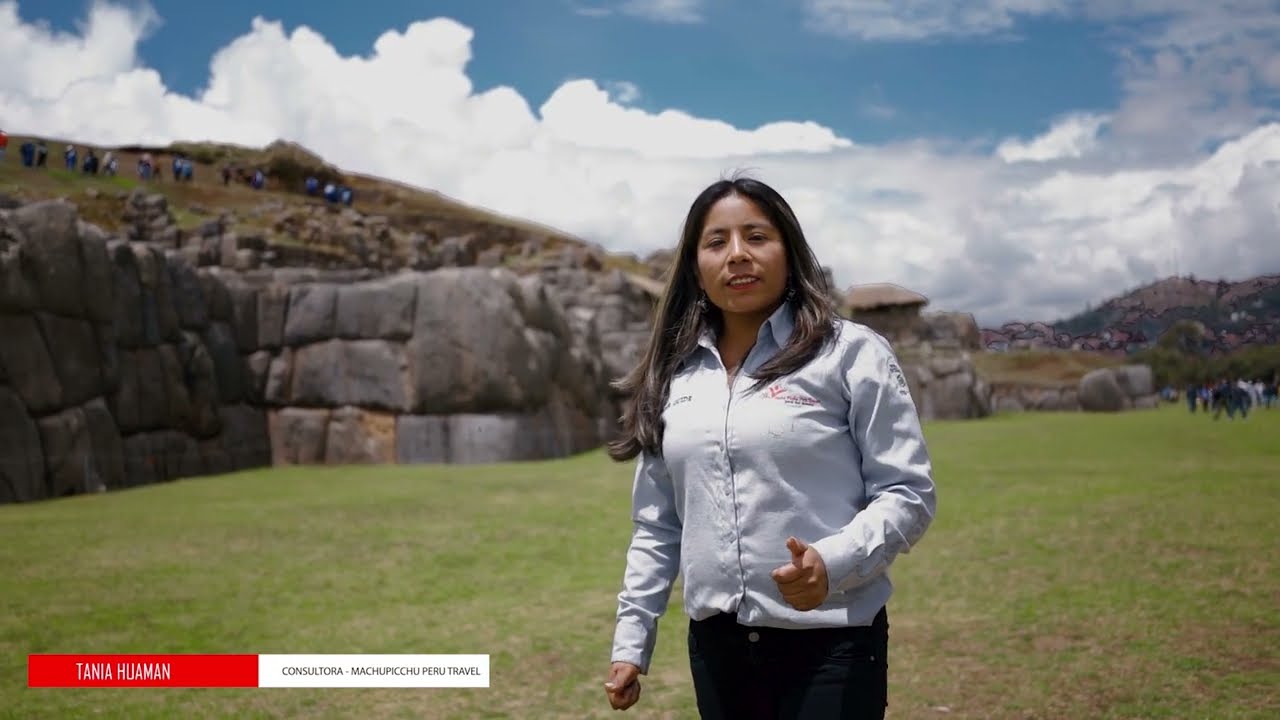
One little detail: the tour website mentions that the operator is a 100 % local company, staffed by people from the region, which means you’re also supporting local employment and know you’re in local hands. machupicchuperutravel.com
On the ground, expect warm smiles, genuine curiosity, people used to visitors but still rooted in daily life. The kids on a hillside might wave as you take off.
What to eat & inexpensive local food
After your morning flight you’ll likely be hungry. In the valley towns you’ll find simple, nourishing meals. A few examples:
-
Trucha frita (fried trout): Rivers in the region supply fresh trout; small eateries serve it with rice or potatoes.
-
Sopa de quinua: Light soup made with quinoa and vegetables, good for altitude and the morning chill.
-
Local “menú” lunch: Many family-run restaurants offer a “menu del día” (soup + main dish + tea) for ~6–10 soles (≈ USD 1.50–2.50).
-
Street food: nothing fancy, but you might find empanadas, local bread, roasted corn or snacks in markets and small stalls.
Free things to visit or see around after your flight
Since you’ll be back by early afternoon, you have time for something extra. Here are low-cost or free options:
-
Walk around the town of Chinchero: the plaza, local weaving shops, village streets.
-
Visit the small market in Urubamba: local produce, pottery, friendly sellers.
-
Take a trail along the river between towns like Yucay and Urubamba: quiet, fresh air, mountains around.
-
Stand at a viewpoint of the famous salt-terraces of Maras from a nearby hill (without entering the paid zone).
These give you a fuller day without needing expensive tickets or big crowds.
Short comparison: this paragliding vs doing something else
| Activity | Effort | Thrill | Time required | Cost level |
|---|---|---|---|---|
| Paragliding day-trip | Low (join tour, fly tandem) | High in the air | Half day (morning) | Moderate |
| Hiking valley ruins (e.g., Pisac) | Medium-high (steep, long) | Moderate | Full morning or more | Low to moderate |
| Bike ride through Maras–Moray route | Medium (pedal hills) | Moderate | Half to full day | Low to moderate |
| Leisure in valley villages & market | Low | Low | Afternoon or flexible | Very low |
If you want something active but grounded, you might pick hiking or biking. If you want the aerial perspective and a shorter commitment, paragliding works well.
Practical tips before you book
-
Make sure your operator is certified, the equipment is good, the pilots experienced (the tour says “experienced, certified instructors”).
-
Check weather and cancellation policy: flights depend on wind and weather. The tour notes that if weather is unsuitable they may cancel/reschedule.
-
Ask about weight/age limits. The tour mentions there may be age/weight restrictions
-
Bring a camera or phone (secure it) so you can capture the flight. The tour says you may bring your camera.
-
After the flight you’re done earlier than many full-day tours — so have lunch plans, maybe a stroll in a town, maybe just rest.
-
Respect the local environment: the Sacred Valley is beautiful and fragile. Being gentle with the land and people adds to the experience.
My final thought
Taking to the skies above the Sacred Valley is a reminder that human life is both small and grand. Below you, the terraces, the river, the villages go about their rhythm. Above you, the air lifts you, gives you space and silence. By early afternoon you’re back on solid ground, maybe sitting in a small restaurant, eating sopa de quinua, hearing the language of the hills, feeling altitude in your chest, and carrying with you a new memory of the valley from a perspective most don’t see.
Would you like me to add directions from Cusco to the take-off site or a packing checklist tailored to this specific tour?







Leave a Reply